
Can We Breed a Safer Peanut?
Can peanut breeding reduce allergen proteins without sacrificing performance? Clemson scientists are stacking genetics and gene editing to find out. The post Can We Breed a Safer Peanut? appeared first on Seed World .
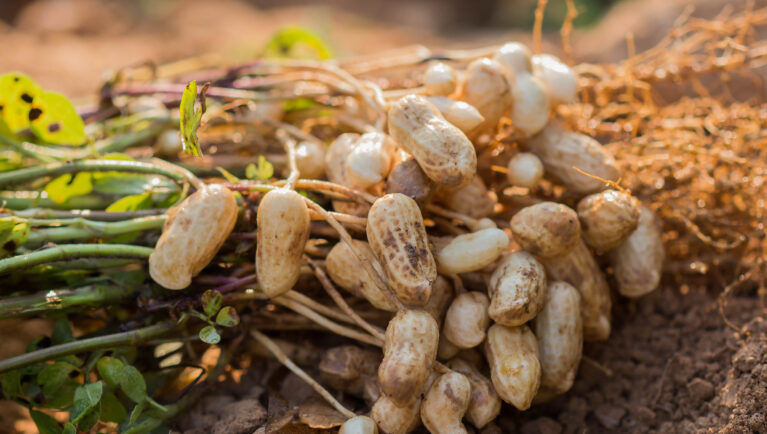
In recent years, the agricultural sector has witnessed a surge in innovation, with peanuts often overshadowed by more glamorous crops. However, peanuts are a staple crop, providing consistent yields and well-understood breeding priorities. While yield, oil profiles, and disease resistance typically dominate breeding discussions, allergenic proteins in peanuts have begun to gain attention. Clemson University associate professor of molecular breeding, Sachin Rustgi, has been spearheading efforts to breed peanuts with reduced allergen levels, treating allergen reduction as a breeding objective rather than a post-harvest solution.
Rustgi's team embarked on this mission by exploring natural genetic variation across global peanut germplasm. They screened the U.S. peanut mini-core collection, international accessions, historical varieties, and wild relatives to identify genotypes with naturally lower levels of allergenic proteins. This approach allowed them to discover wild peanut relatives with reduced immunogenic proteins, paving the way for traditional breeding techniques to combine these traits.
By crossing lines that each lacked specific allergen proteins, the team worked to stack multiple reductions into a single peanut line. This method, known as "stacking," aims to minimize the allergenic potential of peanuts while preserving agronomic performance and end-use quality. The goal is to create a peanut variety that is both safer for consumers with allergies and economically viable for farmers.
The use of new genetic tools and germplasm insights has positioned allergen reduction as a commercial trait in peanut breeding. Traditional breeding, combined with modern gene-editing techniques, offers a promising pathway to achieving this objective. Rustgi's work highlights the potential of leveraging existing genetic variation to breed crops with enhanced safety profiles without compromising their productivity.
As the demand for allergen-friendly foods grows, peanut breeders are increasingly focusing on allergen reduction. By harnessing natural genetic variation and advanced breeding techniques, scientists are working to develop peanut varieties that can coexist with allergen-sensitive consumers. This shift in focus not only addresses consumer concerns but also opens up new markets for peanut products.
In conclusion, the quest to breed a safer peanut is underway, driven by the need to reduce allergenic proteins while maintaining yield and quality. Clemson University's efforts, spearheaded by Sachin Rustgi, exemplify how traditional breeding methods, combined with modern genetic tools, can pave the way for a more inclusive food system. As research progresses, the potential for allergen-reduced peanuts to transform both agricultural practices and consumer health becomes increasingly evident.









