
Home TechnologyCan Science Predict When a Study Won’t Hold Up?...
Technology⭐ Featured

Can Science Predict When a Study Won’t Hold Up?

Conducting research is hard; confirming the results is, too. And artificial intelligence isn’t yet ready to help, a major new study finds.
7 April 2026 at 08:53 am
1 views
Can Science Predict When a Study Won’t Hold Up?

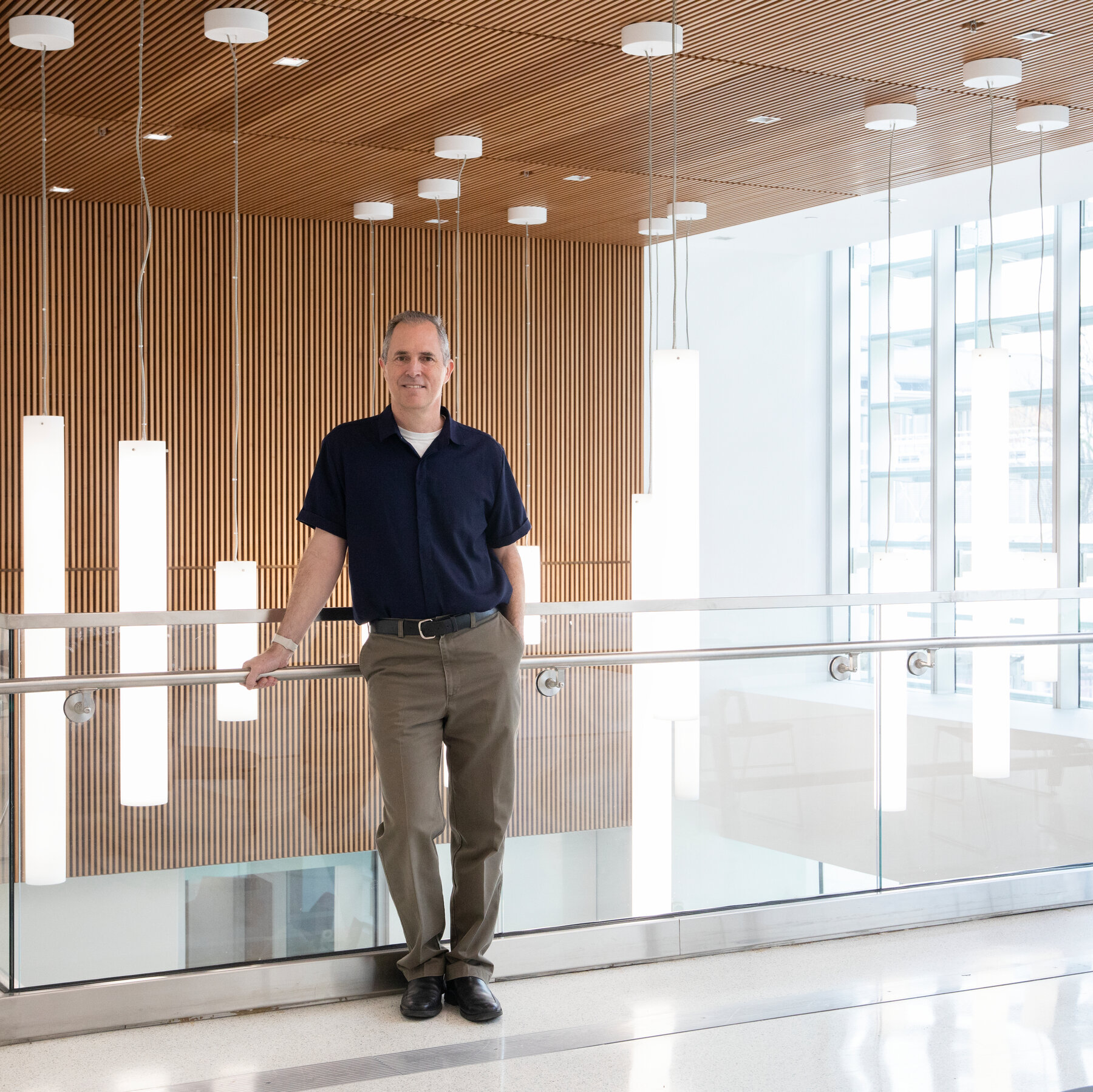
In recent years, the scientific community has grappled with the reproducibility crisis, where many studies fail to yield the same results when replicated by other researchers. This issue has raised concerns about the reliability of scientific findings and the credibility of the research process. A new study, led by Brian Nosek, an executive director at the Center for Open Science, sheds light on the challenges of confirming research outcomes and the limitations of artificial intelligence in addressing this problem.

Dr. Nosek and his colleagues have been at the forefront of efforts to improve the reproducibility of scientific studies. In the 2010s, they embarked on a landmark project to replicate 100 psychology papers. The results were startling: they were able to match the original findings only 39 percent of the time. This finding underscored the extent of the reproducibility crisis and highlighted the need for more rigorous research practices.

The study's implications extend beyond psychology, as the reproducibility crisis is not unique to the field. Many disciplines have faced similar challenges, leading to calls for greater transparency, standardized methodologies, and open data sharing. The research community has since made strides in addressing these issues, with initiatives like pre-registration of studies and preregistration databases aiming to enhance the credibility of scientific work.

Despite these efforts, the quest for reliable research outcomes remains complex. One potential solution that has garnered attention is the use of artificial intelligence (AI) to predict which studies are likely to hold up under scrutiny. However, the new study by Dr. Nosek and colleagues finds that AI is not yet ready to assist in this endeavor. The researchers explored various machine learning models trained on data from replication attempts, but none demonstrated a significant ability to predict successful replications.

The limitations of AI in this context stem from several factors. First, the available data on replication attempts is still relatively sparse, making it challenging for machine learning models to develop accurate predictive capabilities. Second, the complexity of scientific research—involving diverse methodologies, variables, and contexts—poses a significant hurdle for AI systems to generalize from limited data.

Moreover, the study highlights the importance of human judgment in evaluating research quality. While AI can assist in identifying patterns and trends, it cannot replace the critical thinking and domain expertise required to assess the validity and rigor of scientific studies. The researchers emphasize the need for continued investment in research infrastructure, training for researchers, and the promotion of best practices to ensure the reliability of scientific findings.

In conclusion, the reproducibility crisis remains a pressing challenge for the scientific community. While efforts to improve research practices have shown promise, the ability of AI to predict which studies will hold up is still limited. The study by Dr. Nosek and colleagues serves as a reminder of the complexities involved in confirming research outcomes and the ongoing need for human expertise and rigorous methodologies in the pursuit of scientific knowledge. As the field continues to evolve, collaboration between researchers, policymakers, and technologists will be essential in addressing these challenges and ensuring the integrity of scientific research.


📰 Related News
Ekaya Banaras Founder Palak Shah’s ₹40 Lakh Billboard Mistake Became a Masterclass in Startup Marketing
Ekaya Banaras founder Palak Shah recently opened up about one of the most expensive mistakes she made while building her luxury textile brand. During the early years of the company, Shah rented a premium billboard near Delhi’s DLF Emporio to increase brand visibility. However, after forgetting to cancel the campaign, the hoarding reportedly continued running for months — resulting in losses of nearly ₹40 lakh. The incident has now become a viral example of how small operational oversights can turn into costly business lessons for startups and entrepreneurs.
28 May
Betting On AI: Jensen Huang And NVIDIA’s Rise To The Top
Before AI was inevitable, it was a gamble—and Jensen Huang went all in.
14 Apr
Red Hat OpenShift sandboxed containers 1.12 and Red Hat build of Trustee 1.1 bring confidential computing to bare metal and AI workloads
Red Hat is excited to announce the release of Red Hat OpenShift sandboxed containers 1.12 and Red Hat build of Trustee 1.1, marking a major leap forward in our confidential computing journey. These releases graduate confidential containers on bare metal from …
14 Apr
Large AI firms hoovering maximum funding, not enough for smaller startups: Y Combinator’s Ankit Gupta
YC Startup School: India’s talent pool across colleges and universities are key for building next-gen startups, which is what YC is looking to tap into. It wants to target entrepreneurs building for global markets, focussed on fintech, consumer, B2B, and ecom…
14 Apr
TSMC likely to book fourth straight quarter of record profit on insatiable AI demand
TSMC-RESULTS/ (PREVIEW, PIX):PREVIEW-TSMC likely to book fourth straight quarter of record profit on insatiable AI demand
14 Apr
TSMC likely to book fourth straight quarter of record profit on insatiable AI demand
Any profit result ‌above T$505.7 billion would mark the company's highest-ever quarterly net income ​and its ninth consecutive quarter of profit growth
14 Apr
TSMC likely to book fourth straight quarter of record profit on insatiable AI demand
On Thursday, ​TSMC is expected to report a net profit of $17.1 billion for the quarter, according to an LSEG SmartEstimate compiled from 19 analysts. The war in the Middle East threatens to disrupt the supply of production materials for semiconductors such as…
14 Apr
If we can’t kick the habit, how do we manage AI’s energy needs?
One can only hope that OpenAI’s Sam Altman was joking when he sought to justify the immense energy consumption of artificial intelligence
14 Apr
What caused Nvidia Blackwell GPU prices to spike? #tech
Blackwell GPU hourly “rent” surges on agentic AI demand A compute pricing index tracking hourly costs for Nvidia Blackwell GPUs shows a sharp climb: hourly rental hit $4.08 , up 48% from $2.75 just two months earlier. The reported driver is rising demand tied…
14 Apr
Anthropic Releases Claude Mythos Preview with Cybersecurity Capabilities but Withholds Public Access
Anthropic has introduced Claude Mythos Preview, its most advanced AI model, improving significantly in reasoning, coding, and cybersecurity. Unlike previous releases, it will not be publicly available. Access is limited to a consortium of tech companies throu…
14 Apr







