Can palm biodiesel provide quick relief for Malaysia amid Iran war?
Malaysia is facing renewed pressure to expand the use of palm-based biodiesel as the Iran war drives up fuel costs, but industry and academic observers say high infrastructure costs and slow roll-out make it an unlikely source of quick relief. That tension has sharpened as the government confronts a swelling fuel subsidy bill and greater exposure to imported supply shocks. The finance ministry last month said petrol and diesel subsidies could reach 4 billion ringgit (US$903 million) a month with...
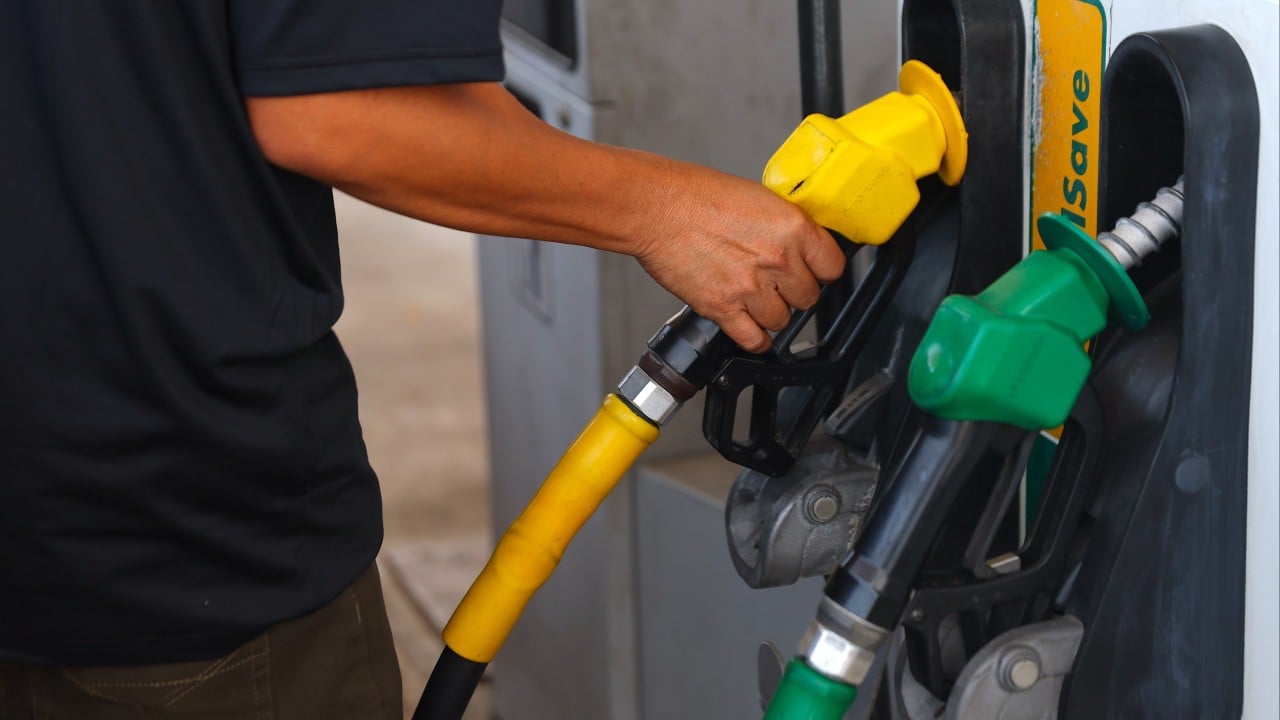
Malaysia is grappling with soaring fuel costs amid the ongoing Iran war, prompting renewed calls for the rapid expansion of palm-based biodiesel production. While the government is under pressure to find alternative energy sources to alleviate the burden on its fuel subsidy bill, industry and academic experts caution that high infrastructure costs and a slow roll-out process make palm biodiesel an unlikely quick fix.
The Iran war has disrupted global oil markets, leading to increased fuel prices worldwide. Malaysia, a net oil importer, has been particularly vulnerable to these supply shocks. The government has long relied on fuel subsidies to keep petrol and diesel prices stable for its citizens. However, the finance ministry recently warned that these subsidies could reach 4 billion ringgit (US$903 million) a month, straining the national budget.
In response to these challenges, the Malaysian government has turned its attention to palm biodiesel, which is produced domestically from palm oil. Palm oil is a major export for Malaysia, and the country has the capacity to produce large quantities of biodiesel. By increasing the use of palm biodiesel, the government hopes to reduce its dependence on imported fuels and curb the costs associated with fuel subsidies.
However, industry and academic observers have raised concerns about the feasibility of quickly scaling up palm biodiesel production. One major obstacle is the high cost of infrastructure required to produce and distribute biodiesel. Unlike conventional fuels, biodiesel requires specialized refineries and storage facilities. These investments are expensive, and the time it takes to build and implement such infrastructure can be significant.
Moreover, the roll-out of palm biodiesel has been slow. While the government has set ambitious targets for biodiesel production, the actual implementation has lagged behind schedule. This slow progress is partly due to logistical challenges, such as ensuring the quality and compatibility of biodiesel with existing engines. Additionally, there are concerns about the environmental impact of palm oil cultivation, which has been linked to deforestation and loss of biodiversity.
The government is also facing pressure from international markets. With global oil prices rising, there is a risk that alternative fuels like biodiesel may become more expensive as well. This could undermine the cost-saving benefits that the government aims to achieve through the expansion of palm biodiesel.
Despite these challenges, the Malaysian government remains committed to promoting the use of palm biodiesel. It is exploring various strategies to accelerate the production and distribution of this alternative fuel. However, the experts' cautionary voices suggest that while palm biodiesel may play a role in the long-term energy strategy of Malaysia, it is unlikely to provide quick relief from the current fuel cost crisis.
In the meantime, the government is likely to continue managing fuel subsidies carefully, possibly considering phased adjustments or seeking alternative sources of affordable fuel. The Iran war and its impact on global oil markets have highlighted the need for Malaysia to diversify its energy sources and reduce its vulnerability to imported supply shocks. While palm biodiesel may not be the immediate solution, it could be a part of a broader strategy to ensure energy security and stability in the long run.