
Can India Become the World’s Innovation Capital?
As supply chains fragment, AI rewrites the rules of competition, and geopolitical volatility intensifies, companies are searching for stable, scalable, innovation‑rich environments. India can provide what they need, and with the right enabling policies, it can transform its advantages into a lasting global lead.
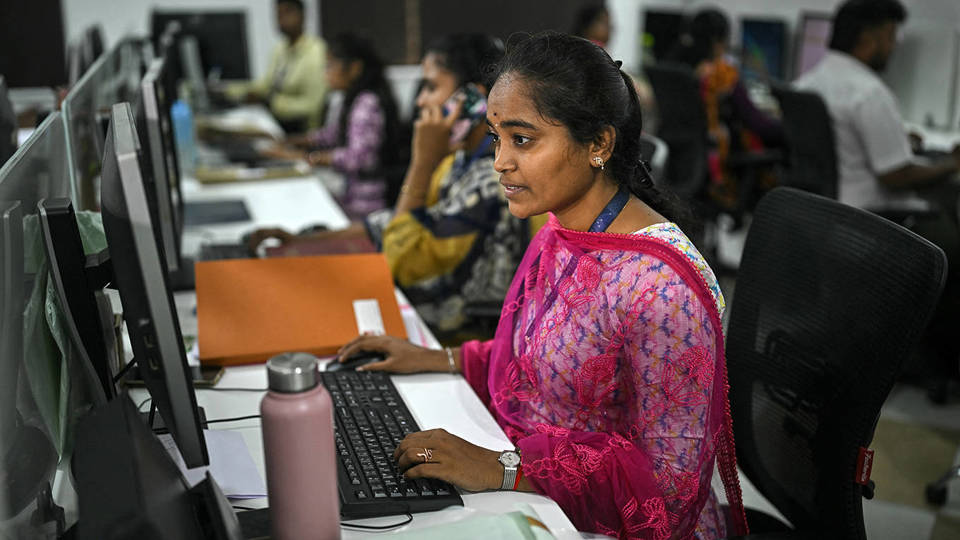
As the world grapples with fragmented supply chains, the rapid evolution of artificial intelligence (AI), and heightened geopolitical tensions, businesses are increasingly seeking stable, scalable, and innovation-rich environments to thrive in. In this context, India emerges as a potential candidate to become the world's innovation capital. With its vast talent pool, burgeoning startups, and strategic geopolitical advantages, the country has the potential to transform its current position into a lasting global leader in innovation.
One of the key factors driving this shift is the fragmentation of global supply chains. Companies are now looking for alternative hubs that can offer stability and resilience. India, with its vast manufacturing capabilities and a growing middle class, presents an attractive option. The country's strategic location, spanning both Asia and the Indian Ocean, offers a unique advantage in terms of logistics and connectivity. Additionally, India's commitment to reducing trade barriers and fostering foreign investment can further enhance its appeal as a reliable manufacturing and innovation hub.
The rise of AI and its impact on global competition is another critical factor. As AI redefines industries and economies, companies are investing heavily in research and development to stay ahead. India, with its large pool of skilled engineers and computer scientists, is well-positioned to leverage this trend. The country's startup ecosystem, which has seen significant growth in recent years, is attracting global attention. Startups in India are developing cutting-edge AI solutions, from natural language processing to robotics, showcasing the nation's potential as a global hub for innovation.
Geopolitical volatility, particularly in regions like Europe and East Asia, has also intensified the search for alternative innovation centers. India's stable democratic governance and a relatively consistent economic policy framework provide a safe haven for businesses looking to diversify their operations. Moreover, the country's growing digital infrastructure, including high-speed internet and a burgeoning e-commerce market, further supports the development of innovative technologies.
However, to fully realize its potential, India needs to implement enabling policies that foster a conducive environment for innovation. This includes improving intellectual property protection, streamlining bureaucratic processes, and enhancing the quality of education and research institutions. By investing in these areas, India can create a robust ecosystem that encourages both domestic and foreign companies to invest in the country's innovation sector.
The government's recent initiatives, such as the Startup India program and the Digital India initiative, are steps in the right direction. These programs aim to reduce regulatory hurdles, provide funding, and promote digital literacy. By building on these efforts and addressing the challenges faced by startups, India can create a sustainable ecosystem that supports long-term innovation.
In conclusion, India has the potential to become the world's innovation capital due to its strategic location, talent pool, and burgeoning startup ecosystem. As global supply chains fragment, AI reshapes competition, and geopolitical tensions rise, the country's advantages can be transformed into a lasting global lead. With the right enabling policies and a commitment to fostering innovation, India can position itself as the next global hub for technological advancement and economic growth. The challenge now lies in translating this potential into reality through strategic government policies and a supportive business environment.









