
Can Europe confront Vladimir Putin’s Russia on its own?
An independent army, air force and nuclear bomb would come at a high price
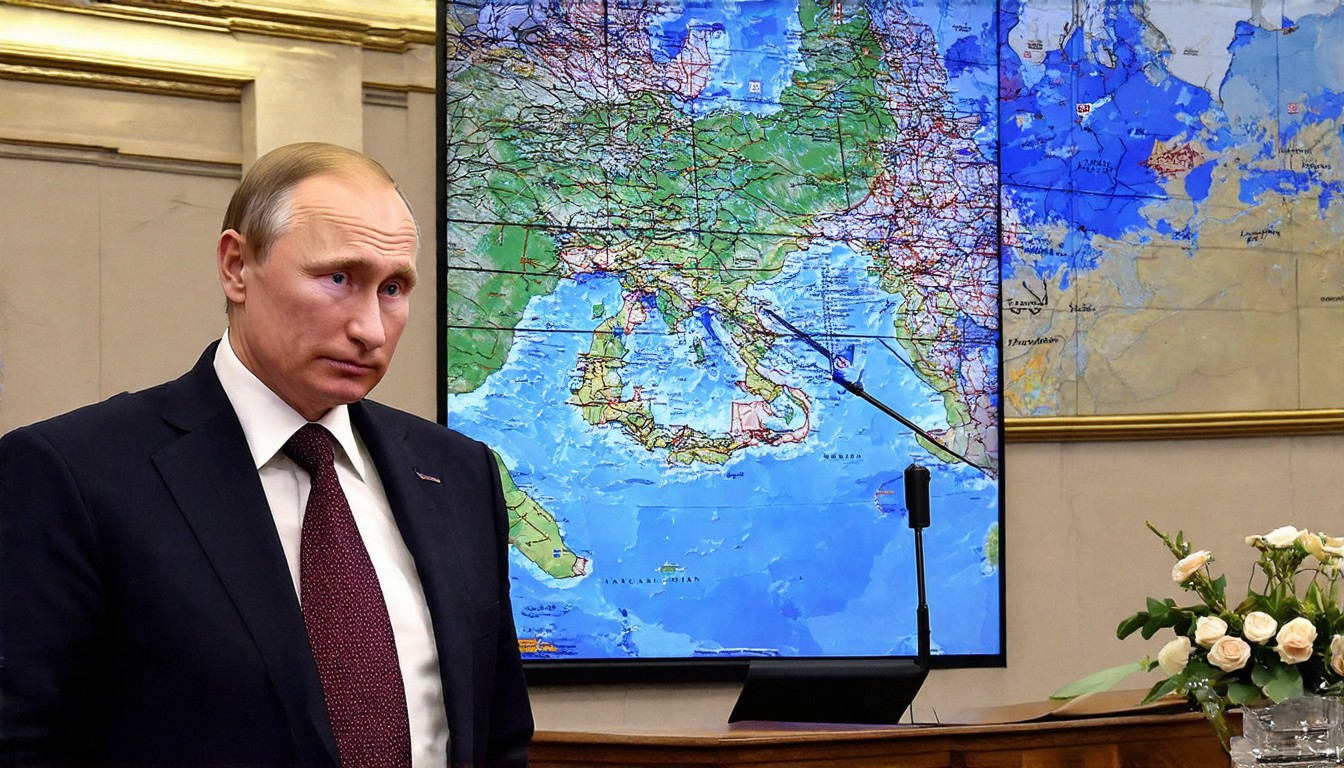
As tensions rise between Europe and Russia, the question of whether the continent can confront Vladimir Putin's authoritarian regime on its own has become increasingly relevant. The prospect of an independent European military, air force, and nuclear deterrent is often brought up as a potential solution to counterbalance Russia's influence and deter aggression. However, experts warn that such a move would come at a significant cost, both financially and politically.
The European Union's current defense capabilities are fragmented, with each member state maintaining its own military forces. This has led to a lack of coordination and a weaker collective posture in the face of threats from Russia. The idea of creating a unified European army has been discussed for decades, but political disagreements and differing priorities have stalled progress. Additionally, the cost of establishing and maintaining such a force would be substantial. Countries like France and Germany, which have traditionally borne the brunt of European defense spending, are already struggling to fund their existing military commitments.
The European Union's Common Security and Defence Policy (CSDP) aims to enhance cooperation among member states, but its effectiveness has been limited. Recent initiatives, such as the European Defence Fund, are intended to strengthen military capabilities, but they are far from sufficient to create a robust independent force. Furthermore, the idea of a European nuclear deterrent is particularly contentious. While some argue that it is necessary to match Russia's nuclear arsenal, others fear that it could escalate tensions and lead to an arms race.
Political challenges also pose a significant obstacle to the creation of an independent European military. The EU's reliance on NATO, particularly the United States, has been a point of contention. Some European leaders see NATO as a vital partner, while others view it as a tool of American influence. This divide complicates efforts to build a unified European defense strategy. Moreover, the EU's decision-making process is slow and often gridlocked, making it difficult to respond swiftly to crises.
Financially, the cost of an independent European military and nuclear deterrent would be prohibitive. Estimates suggest that building a capable army and air force would require trillions of euros, with ongoing maintenance costs adding to the burden. This would strain already strained budgets, particularly in the aftermath of the COVID-19 pandemic and the ongoing energy crisis. Some argue that it would be more prudent to invest in existing alliances and enhance cooperation with NATO partners, rather than pursuing a costly and uncertain independent path.
Despite these challenges, proponents of an independent European defense strategy argue that it is necessary to assert sovereignty and reduce dependence on external powers. They point to the need to protect European values, such as democracy and human rights, in the face of Russian aggression. The annexation of Crimea in 2014 and the ongoing conflict in Ukraine have underscored the dangers of a resurgent Russian power.
In conclusion, while the idea of an independent European army, air force, and nuclear deterrent may seem like a viable solution to confront Putin's Russia, the reality is far more complex. The high costs, both financial and political, make such a move difficult to achieve. The European Union must navigate a delicate balance between enhancing its own capabilities and maintaining strong alliances with NATO partners. Ultimately, the continent's ability to confront Russia effectively will depend on a combination of strategic diplomacy, robust defense cooperation, and the willingness of member states to prioritize collective security over national interests.








