Call for jet fuel tax break as costs soar
Bangkok Aviation Fuel Services Plc (BAFS), Thailand's sole jet refuelling provider, has called on the government to exempt jet fuel from the excise tax of 4.72 baht per litre, warning the levy undermines the country's aviation competitiveness.
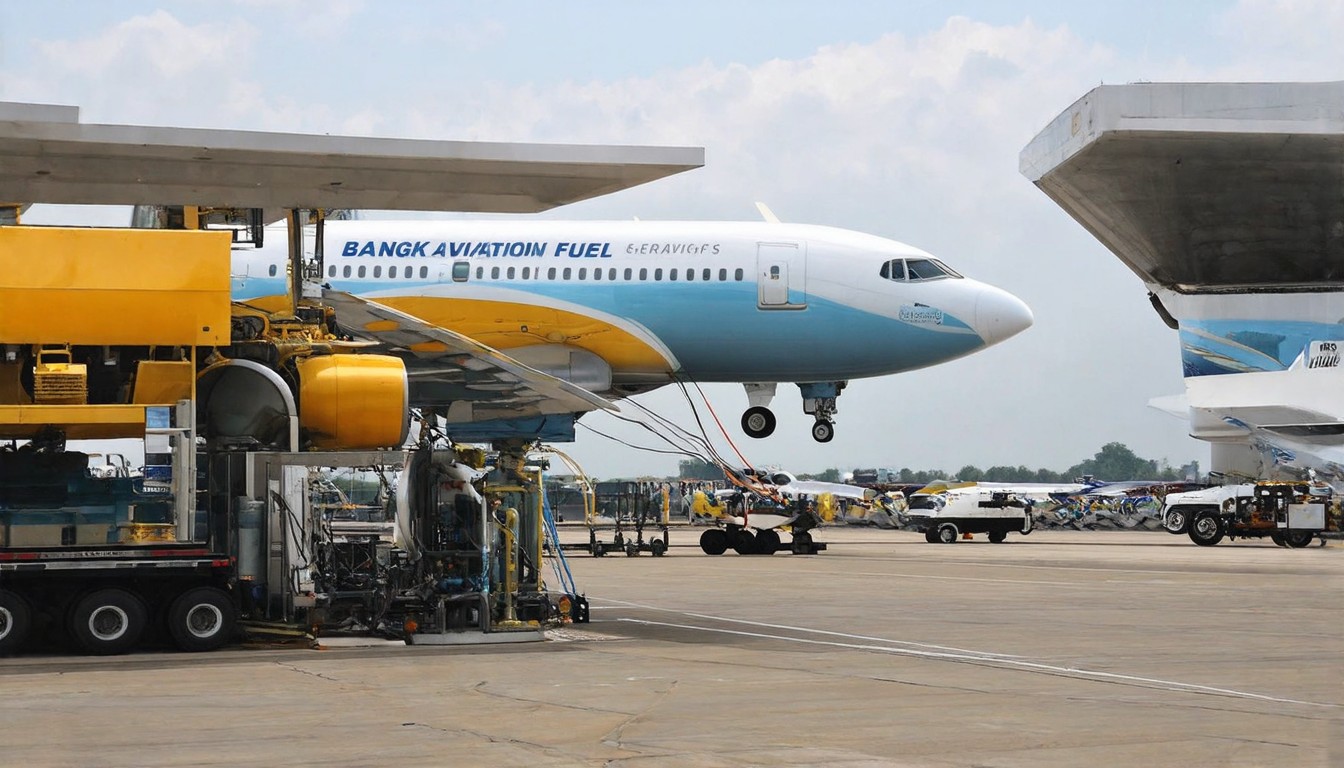
Bangkok Aviation Fuel Services Plc (BAFS), Thailand's sole jet refuelling provider, has recently urged the government to consider exempting jet fuel from the current excise tax of 4.72 baht per litre. The company argues that the levy is significantly impacting the country's aviation competitiveness, particularly as global jet fuel prices continue to rise.
In a statement released by BAFS, the company highlighted that the excise tax has made jet fuel in Thailand more expensive compared to neighbouring countries, discouraging airlines from choosing the kingdom as a hub or stopover point. This, in turn, is affecting Thailand's aviation industry, which has been struggling to recover from the impact of the COVID-19 pandemic.
The call for a jet fuel tax break comes at a time when the aviation sector is already facing significant challenges. Soaring global fuel prices have put immense pressure on airlines worldwide, leading many to seek cost-saving measures. In this context, Thailand's excise tax on jet fuel is seen as an additional burden that could further deter airlines from operating in the country.
BAFS has emphasized that the aviation industry plays a crucial role in Thailand's economy, contributing significantly to tourism and trade. By exempting jet fuel from the excise tax, the government could help attract more airlines, boosting the country's aviation connectivity and supporting the recovery of the tourism sector.
The company's request for a tax exemption is not without precedent. Several countries, including Singapore and Malaysia, have implemented similar measures to encourage airline growth and maintain their status as regional aviation hubs. Thailand, which has long been known for its affordable prices, could benefit from a similar approach to stay competitive in the global aviation market.
However, the government's response to BAFS's call remains uncertain. While the aviation industry is undoubtedly important, the government may be constrained by the need to balance revenue generation through excise taxes with the benefits of attracting airlines. The decision could also be influenced by the broader economic context, including the government's fiscal priorities and the potential impact on the budget.
In the meantime, BAFS is continuing to advocate for the tax exemption, arguing that it is essential for Thailand to remain a viable aviation destination. The company has also suggested that any potential revenue loss from the tax exemption could be offset by increased tourism and trade revenues generated by a more competitive aviation sector.
The debate over the jet fuel tax break in Thailand is a reflection of the broader challenges faced by the aviation industry in the post-pandemic era. As global fuel prices continue to rise, governments and industry stakeholders must work together to find sustainable solutions that support the sector's recovery and ensure its long-term competitiveness. For Thailand, the decision to exempt jet fuel from the excise tax could be a critical step in rebuilding its aviation infrastructure and reclaiming its position as a key player in the regional aviation market.