
California shouldn’t price the public out of public records. Democracy is at stake
A bill letting governments charge for public documents would let them base the cost on the time it takes to review and redact the information. It doesn't limit them.
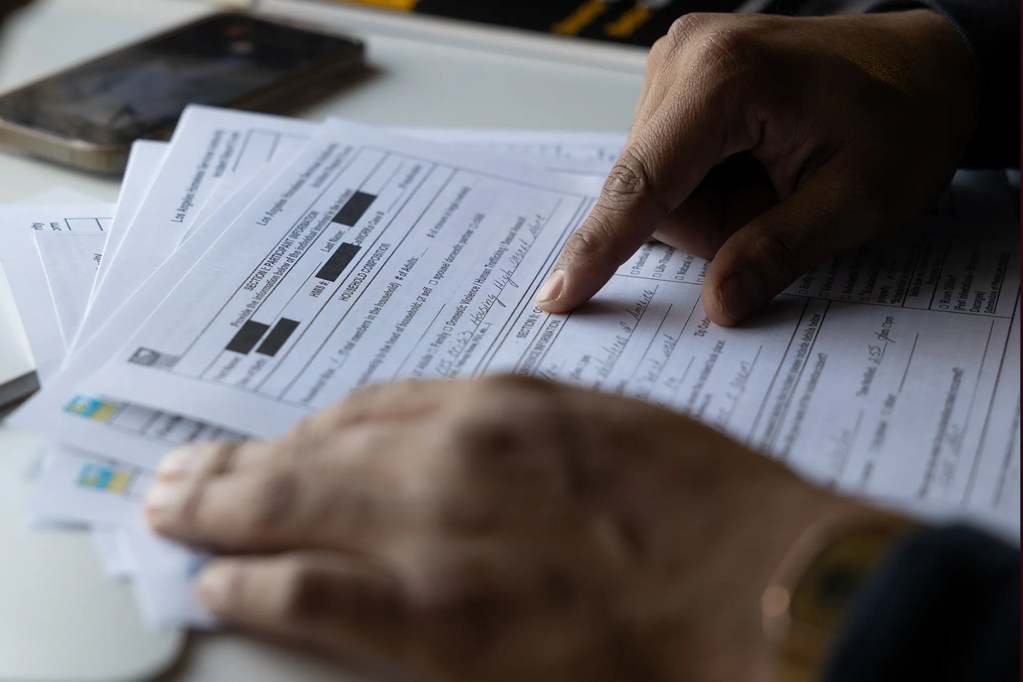
In a time when transparency is more crucial than ever, a California legislator is proposing a bill that could make it significantly more expensive for the public to access information from their government. Assemblymember Blanca Pacheco, a Democrat from Downey, has introduced Assembly Bill 1821, which aims to amend the California Public Records Act (CPRA). This proposed change would allow state and local agencies to charge higher fees for public documents, based on the time it takes to review and redact the information. The bill lacks any limitations on these costs, potentially pricing many Californians out of access to crucial information.
The CPRA, while primarily applicable to state and local agencies, has been an essential tool for understanding the local impacts of federal policies, particularly during the Trump administration. For instance, the First Amendment Coalition, led by executive director David Snyder, recently secured the release of bodycam footage from Ventura County sheriff’s deputies who assisted in an ICE raid on farms. The raid resulted in one death and over 300 arrests. The sheriff initially refused to release the footage, but the coalition sued on behalf of Buen Vecino, a local group advocating for immigrants, under the CPRA.
Under the proposed Assembly Bill 1821, once the sheriff released the footage as required by law, he could have charged an hourly rate for any time over two hours spent reviewing and redacting the footage. This could amount to dozens or even hundreds of hours, resulting in costs of thousands of dollars, depending on the rate decided by the sheriff’s department. Such exorbitant fees would be inaccessible to the vast majority of Californians.
The timing of this bill’s introduction is particularly ironic, as it became public in March, amid heightened scrutiny of government actions. The proposed changes would hinder the public’s ability to hold their government accountable, particularly in critical areas such as education, policing, and the local effects of federal policies. For example, parents would find it more difficult to learn about their school districts, community members would struggle to obtain a full picture of police shootings, and concerned Californians would face challenges in tracking the local impacts of the Trump administration’s actions.
The California Public Records Act has been a cornerstone of transparency and accountability in the state. By allowing agencies to charge exorbitant fees without any limitations, Assembly Bill 1821 threatens to undermine the very principles it was meant to uphold. The potential consequences of this legislation stretch far beyond the financial burden, as it could stifle public participation and erode trust in government institutions.
As the debate over Assembly Bill 1821 continues, it is crucial for Californians to recognize the importance of maintaining access to public records. Democracy relies on informed citizens, and limiting transparency can lead to a lack of accountability and increased corruption. It is essential for lawmakers to prioritize the public’s right to know and ensure that the California Public Records Act remains a tool for empowering citizens, rather than a barrier to information.








