California 2026 governor candidates discuss gas prices and environmental policy
California gas prices are the nation's highest. The candidates in the 2026 governor's race weighed in on the role of state policy, global supply risks, refinery closures, and how each would address rising gas prices.
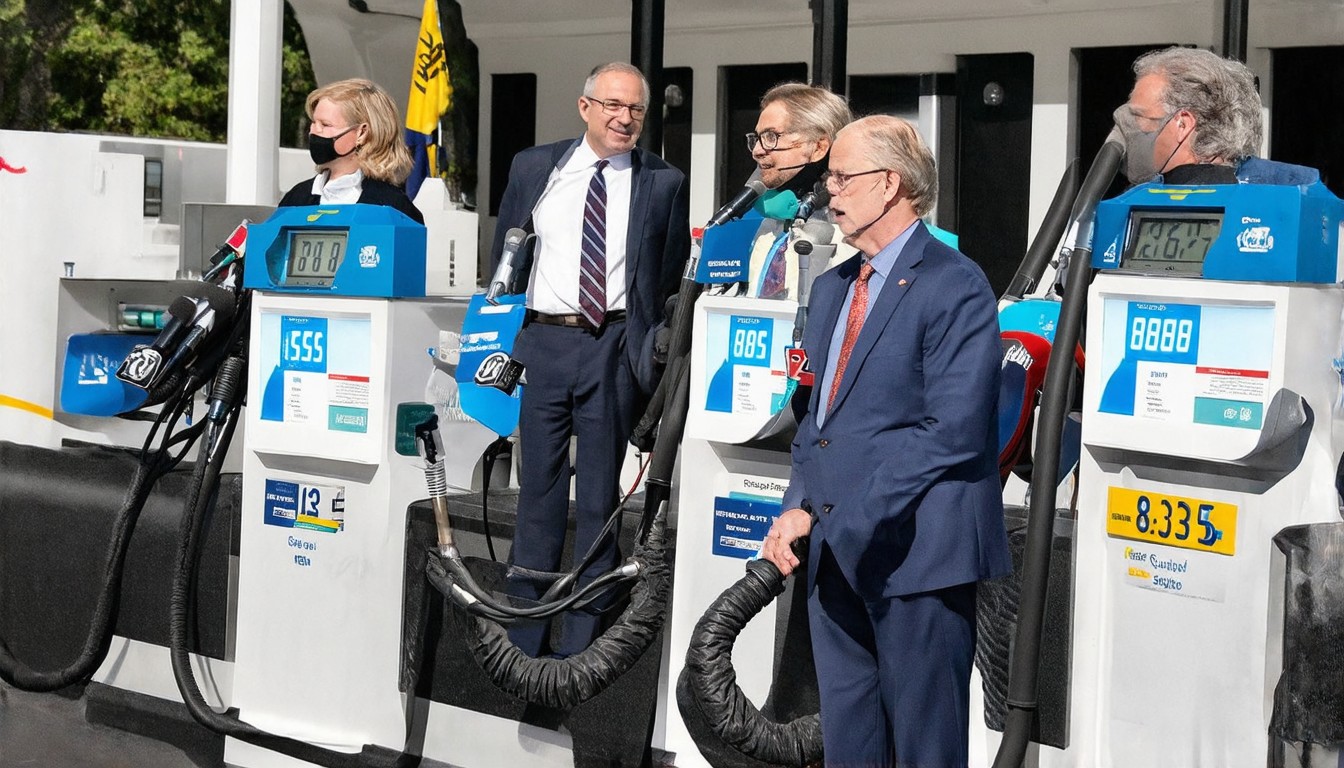
As California's gas prices remain the highest in the nation, the 2026 governor's race has become a platform for candidates to address the complex factors driving these costs and outline their plans to alleviate the burden on consumers. The candidates have weighed in on the role of state policy, global supply risks, refinery closures, and how each would tackle the issue of soaring gas prices.
The state's high gas prices are a result of several interconnected factors. First and foremost, California's reliance on fossil fuels, despite its ambitious environmental goals, leaves it vulnerable to global supply disruptions and price fluctuations. The candidates have acknowledged this global context, emphasizing the need for a balanced approach that addresses both energy security and environmental sustainability.
Among the key issues discussed is the role of state policy. Some candidates argue that the state needs to take a more proactive role in regulating the energy market to ensure affordability and prevent price gouging. They propose measures such as capping prices, increasing transparency in fuel distribution, and incentivizing the development of alternative energy sources. Others contend that state intervention can be counterproductive, suggesting instead that the market should be allowed to find its own equilibrium, with policies focused on long-term sustainability.
Global supply risks have also been a focal point in the candidates' discussions. The ongoing geopolitical tensions, climate-related disruptions, and shifts in global energy production have created volatility in oil and gas markets. Candidates have proposed different strategies to mitigate these risks, from diversifying energy sources to strengthening international partnerships and investing in domestic energy production.
Refinery closures have further exacerbated the situation in California. The state has seen a decline in refinery capacity over the years, which has limited its ability to process and distribute fuel efficiently. This has contributed to higher prices and supply chain bottlenecks. Candidates have responded by advocating for the construction of new refineries, modernizing existing ones, and investing in infrastructure to improve fuel distribution networks.
In addition to these policy proposals, the candidates have also addressed the environmental policy implications of their plans. Many acknowledge the need to balance immediate price relief with long-term environmental goals. They have discussed strategies such as accelerating the transition to electric vehicles, expanding public transportation, and investing in renewable energy projects to reduce reliance on fossil fuels.
However, not all candidates agree on the best approach. Some prioritize immediate action to lower prices, while others stress the importance of a comprehensive, long-term strategy that integrates environmental sustainability with economic stability. The debate has highlighted the complex interplay between energy policy, environmental goals, and economic well-being.
As the 2026 governor's race progresses, these discussions will likely become more intense, with candidates vying for the support of voters who are increasingly concerned about both their pocketbooks and the state's environmental future. The candidates' ability to navigate these complex issues and present a coherent, actionable plan will be crucial in shaping the state's energy and environmental policies for years to come.
In conclusion, the candidates in the 2026 California governor's race are facing a daunting challenge as they grapple with the state's high gas prices and the need to balance environmental policy with economic concerns. Their proposals reflect a range of perspectives on state intervention, global supply dynamics, and the role of refinery capacity. As the campaign unfolds, these discussions will shape the state's energy landscape, and voters will be left to decide which candidate's vision best addresses the multifaceted challenges facing California's energy sector.