Cairo goes dark as Egypt struggles to cope with fall out from Iran war
Normally bustling with activity until the early hours of the morning, the streets of Cairo have gone dark. Soaring fuel costs have pushed the Egyptian government to issue a month-long early-closing order. Now shops are shuttered at 9pm during the week and 10pm on weekends.
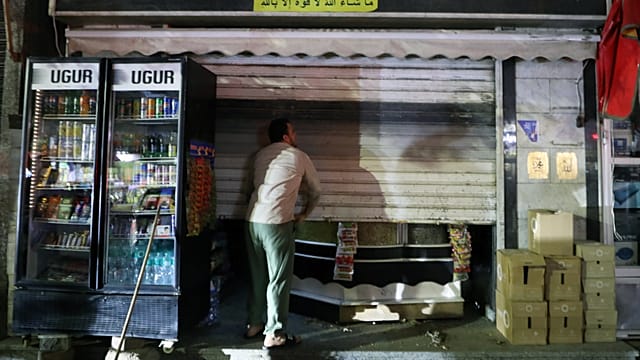
Cairo, once a vibrant city known for its lively nightlife and bustling markets, has experienced a sudden transformation as it grapples with the aftermath of the ongoing Iran war. The conflict, which has disrupted global energy markets, has led to soaring fuel costs, prompting the Egyptian government to implement a month-long early-closing order. This move has left the streets of Cairo eerily quiet, as shops and businesses shutter their doors earlier than usual.
The decision to impose the early-closing order was made in an effort to conserve fuel and mitigate the economic impact of the war. During the week, shops are now required to close by 9 pm, while on weekends, the closing time is set at 10 pm. This change has been met with mixed reactions from both business owners and residents. While some argue that it is a necessary measure to ensure energy security, others express concerns about the potential economic repercussions.
The early-closing order is not the only consequence of the Iran war that Egypt is facing. The conflict has led to increased tensions in the region, with many businesses relying on imports from Iran. The disruption in supply chains has resulted in shortages of certain goods, causing prices to spike and putting pressure on consumers. Additionally, the war has contributed to a decline in tourism, as international travel restrictions and heightened security concerns have deterred visitors from coming to Egypt.
The Egyptian government has been working to address these challenges by diversifying its energy sources and seeking alternative suppliers. However, the transition has been slow, and the country remains heavily dependent on imported fuel. In the meantime, the early-closing order is intended to reduce energy consumption and provide relief for struggling businesses.
Despite the challenges, Cairo's residents have adapted to the new situation. Many have taken to social media to share their experiences and express their views on the early-closing order. Some have praised the government for taking action to protect the environment and conserve resources, while others have criticized it for not providing sufficient support to small businesses.
The early-closing order is also having an impact on the city's cultural scene. Traditional cafes and nightclubs, which were once open late into the night, have had to adjust their schedules, leading to a shift in the city's social dynamics. While some venues have found ways to adapt by offering new events and experiences, others have struggled to attract customers in the shorter operating hours.
As the month-long early-closing order progresses, it remains to be seen whether it will achieve its intended goals. The Egyptian government is closely monitoring the situation, ready to adjust its strategies as needed. Meanwhile, Cairo's residents continue to navigate the new reality, adapting to the changes brought about by the fallout from the Iran war.
In the broader context, the situation in Cairo highlights the interconnectedness of global events and their ripple effects on local communities. The conflict in Iran has not only disrupted energy markets but has also had far-reaching consequences for Egypt's economy, society, and daily life. As the country strives to cope with these challenges, the early-closing order serves as a stark reminder of the impact of geopolitical tensions on everyday life.
Ultimately, the month-long early-closing order in Cairo is just one piece of the puzzle in Egypt's struggle to adapt to the changing landscape of global energy markets and regional politics. While it may not be a long-term solution, it represents a necessary step in the country's efforts to manage the fallout from the Iran war and ensure a stable future for its citizens.