BYD profit slumps 19% after record year edging Tesla off the EV throne
The Chinese electric vehicle giant posted a sharp drop in annual profit in 2025, squeezed by a brutal domestic price war — even as it outsold Tesla by more than 600,000 battery electric vehicles for the year.
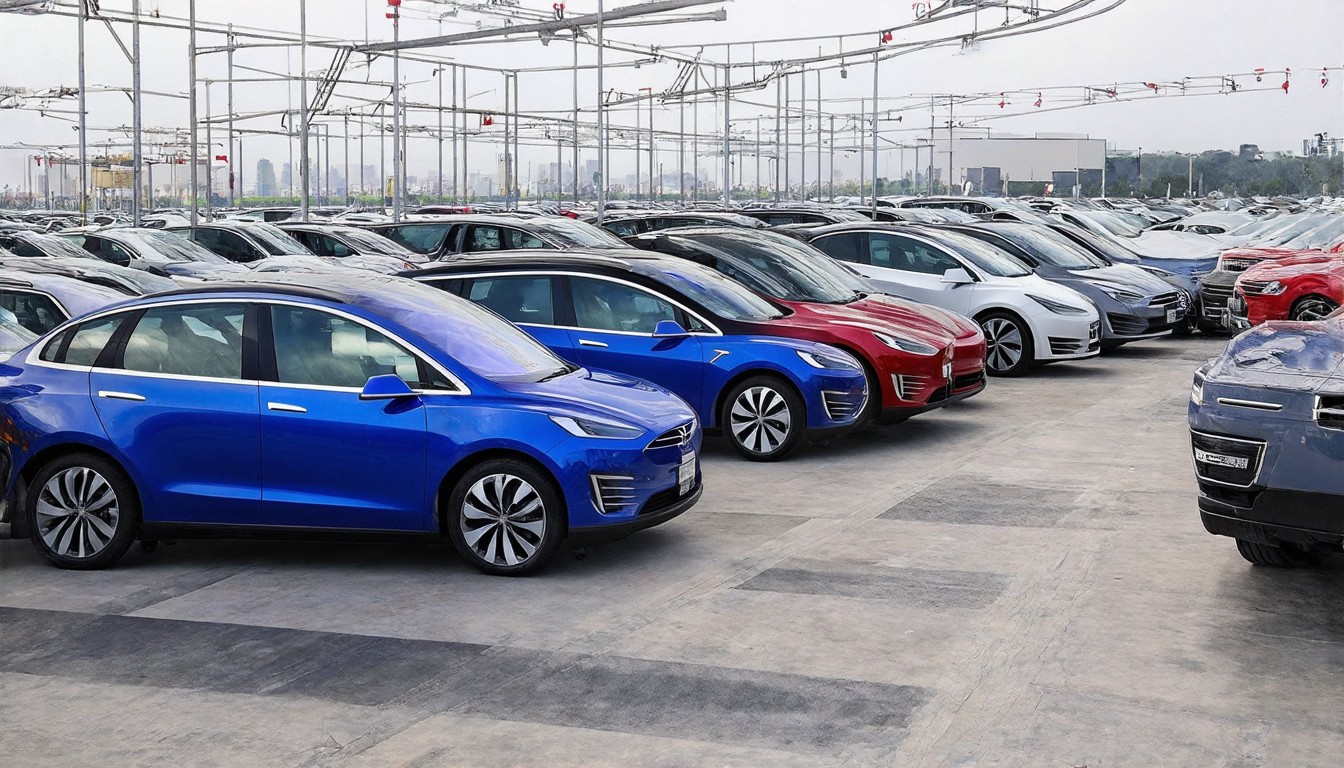
In 2025, BYD, the Chinese electric vehicle (EV) giant, experienced a significant decline in its annual profit, dipping by 19% despite achieving a remarkable milestone: surpassing Tesla as the world's top-selling battery electric vehicle (BEV) manufacturer for the year. This unexpected drop in profitability occurred amidst a fierce domestic price war, which put immense pressure on the company's margins.
The year began with high expectations for BYD, as it had been consistently expanding its market share in the EV sector. The company's strategic focus on affordability and local production in China had allowed it to carve out a significant portion of the domestic market. However, the brutal price war that erupted in the industry during 2025 proved to be a significant challenge. Competitors, including domestic rivals and international players, were aggressively cutting prices to gain market share, forcing BYD to respond similarly. This price competition ultimately eroded profit margins across the board.
Despite the financial challenges, BYD managed to outsell Tesla by more than 600,000 BEVs in 2025. This achievement underscores the company's ability to adapt and capitalize on its strengths in the Chinese market. BYD's success can be attributed to its robust production capabilities, strong brand recognition, and a well-established distribution network within China. Additionally, the company's commitment to innovation and the development of new models helped it maintain its competitive edge.
The shift in the EV market leadership from Tesla to BYD highlights the growing influence of Chinese automakers in the global EV sector. BYD's ascent is part of a broader trend, as Chinese companies continue to invest heavily in EV technology and infrastructure. The domestic price war, however, has complicated the landscape, forcing companies to prioritize market share over profitability.
Analysts suggest that BYD's 19% profit slump is a temporary setback, given the company's strong position in the Chinese market and its potential for long-term growth. The company's ability to scale production and leverage its cost advantages could help it mitigate the impact of the price war. Moreover, BYD's presence in other markets, such as India and selected regions in Southeast Asia, may provide a buffer against the domestic challenges.
Tesla, on the other hand, has been focusing on expanding its global presence and refining its production processes to improve efficiency. While the company faced a setback in terms of market share, it remains a formidable player in the EV sector. Tesla's strength lies in its technological leadership and brand appeal, which may help it regain its position in the future.
The 2025 market dynamics have underscored the importance of adaptability and strategic positioning in the EV industry. Companies must navigate the complexities of global competition, technological innovation, and economic pressures to succeed. For BYD, the challenge of the price war serves as a reminder of the need for continuous innovation and a focus on long-term growth strategies.
In conclusion, BYD's 19% profit slump in 2025, despite its record-breaking sales and surpassing Tesla as the top BEV manufacturer, highlights the challenges faced by EV companies in a highly competitive market. The brutal domestic price war has put significant pressure on profit margins, but BYD's strong market position and production capabilities offer a pathway to recovery. The shift in leadership in the EV market is a testament to the growing influence of Chinese automakers, while Tesla remains a key player in the global EV landscape. As the industry continues to evolve, companies must adapt to remain competitive and sustainable in the face of economic and technological challenges.