
Building sovereign AI at the edge: Microsoft and Armada collaborate to deliver Azure Local on Galleon modular datacenters
Explore how Microsoft and Armada bring sovereign AI to the edge with Azure Local, enabling secure, resilient workloads in disconnected and regulated environments. The post Building sovereign AI at the edge: Microsoft and Armada collaborate to deliver Azure Local on Galleon modular datacenters appeared first on Microsoft Azure Blog .
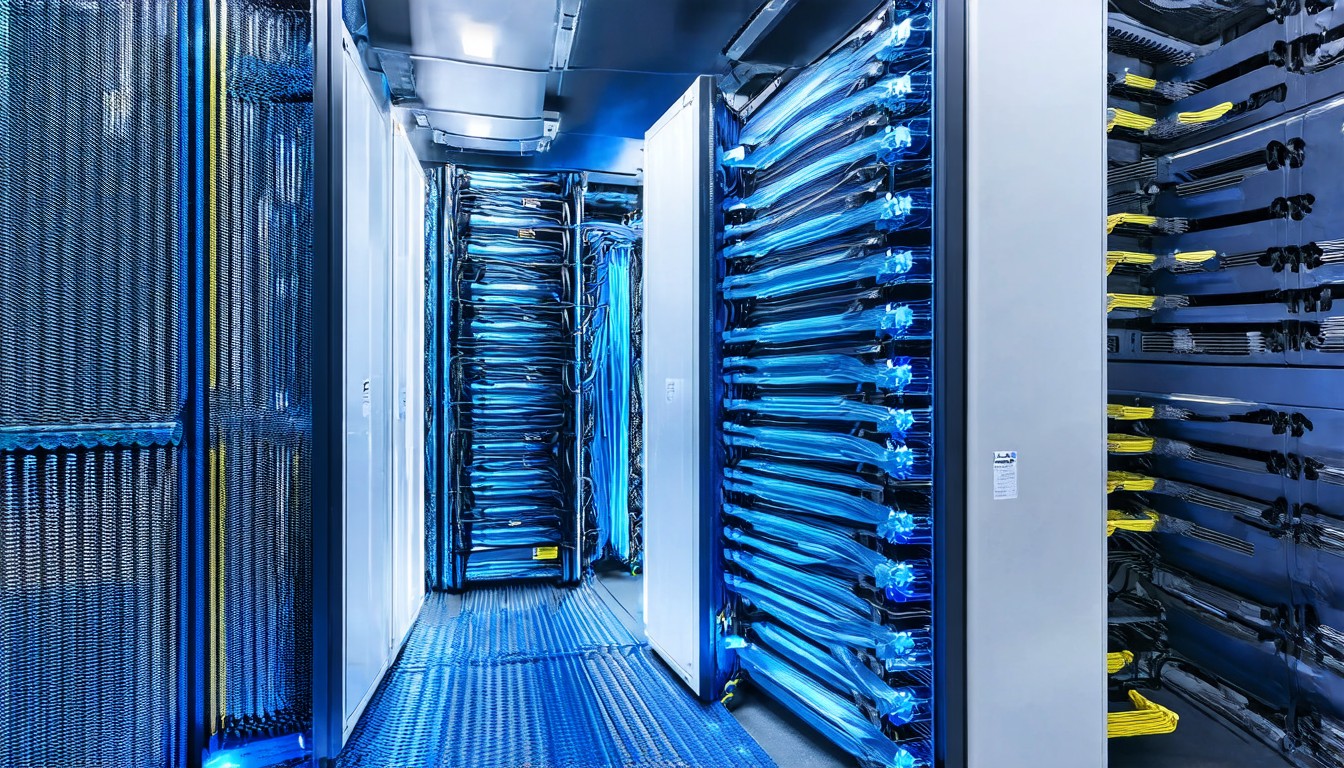
As governments and regulated industries continue their digital transformation, one requirement consistently rises to the top: the ability to run mission-critical workloads where data originates, while maintaining sovereignty, resilience, and control. In response to these needs, Microsoft and Armada have announced a collaboration to deliver a practical path to sovereign AI at the edge. Together, they are bringing Microsoft Sovereign Private Cloud capabilities to Armada’s Galleon modular datacenters (MDC), enabling customers to run secure, compliant workloads designed to operate in intermittently connected, contested, and even fully disconnected environments.
This customer-controlled cloud environment delivers Azure’s operating model, security, and AI-ready capabilities where traditional cloud approaches are not feasible. For defense, public safety, energy, and critical infrastructure operators, cloud capabilities in locations where public clouds are not an option are increasingly necessary. These industries require workloads to run in environments that are disconnected, mobile, or operationally constrained. In such settings, cloud capabilities must move closer to the point of need. These scenarios often demand disconnected or limited connectivity, portable or rapidly deployable infrastructure, strict data residency and regulatory controls, and support for modern AI and analytics workloads at the edge.
Through this collaboration, Microsoft and Armada are delivering a validated sovereign reference architecture that shows how Sovereign Private Cloud operates on and interoperates with the Armada Edge Platform. This enables customers to deploy Azure services closer to where data is created, while retaining full control over their data, operations, and governance.
At the core of this collaboration is Azure Local, a service that allows organizations to run Azure services on-premises, ensuring data remains within the country’s borders. By integrating Azure Local with Armada’s Galleon modular datacenters, Microsoft and Armada are providing a solution that meets the unique requirements of sovereign AI at the edge.
Galleon modular datacenters offer a highly flexible and scalable infrastructure that can be deployed in various environments, from remote locations to urban centers. With Azure Local, these modular datacenters can now host secure, compliant workloads that leverage Azure’s AI capabilities. This combination provides a robust solution for industries that need to process data locally while maintaining strict regulatory controls and ensuring data sovereignty.
The partnership between Microsoft and Armada is a significant step towards building sovereign AI at the edge. By bringing Azure’s capabilities to Armada’s modular datacenters, the two companies are enabling organizations to meet the growing demand for secure, resilient, and compliant workloads in disconnected and regulated environments. This collaboration not only addresses the needs of governments and regulated industries but also paves the way for a new generation of edge computing solutions that prioritize data sovereignty and control.
In conclusion, the collaboration between Microsoft and Armada to deliver Azure Local on Galleon modular datacenters represents a groundbreaking approach to sovereign AI at the edge. By combining Azure’s Sovereign Private Cloud capabilities with Armada’s modular datacenters, organizations can now run secure, compliant workloads in environments that demand strict data residency, regulatory controls, and intermittent connectivity. This partnership underscores the importance of prioritizing data sovereignty and control in an increasingly interconnected world, while also showcasing the potential of edge computing to revolutionize how organizations process and analyze data locally.









