
Building AI bots becomes the latest viral craze in China
A fascination with AI bots, made with a program called OpenClaw, is sweeping China.
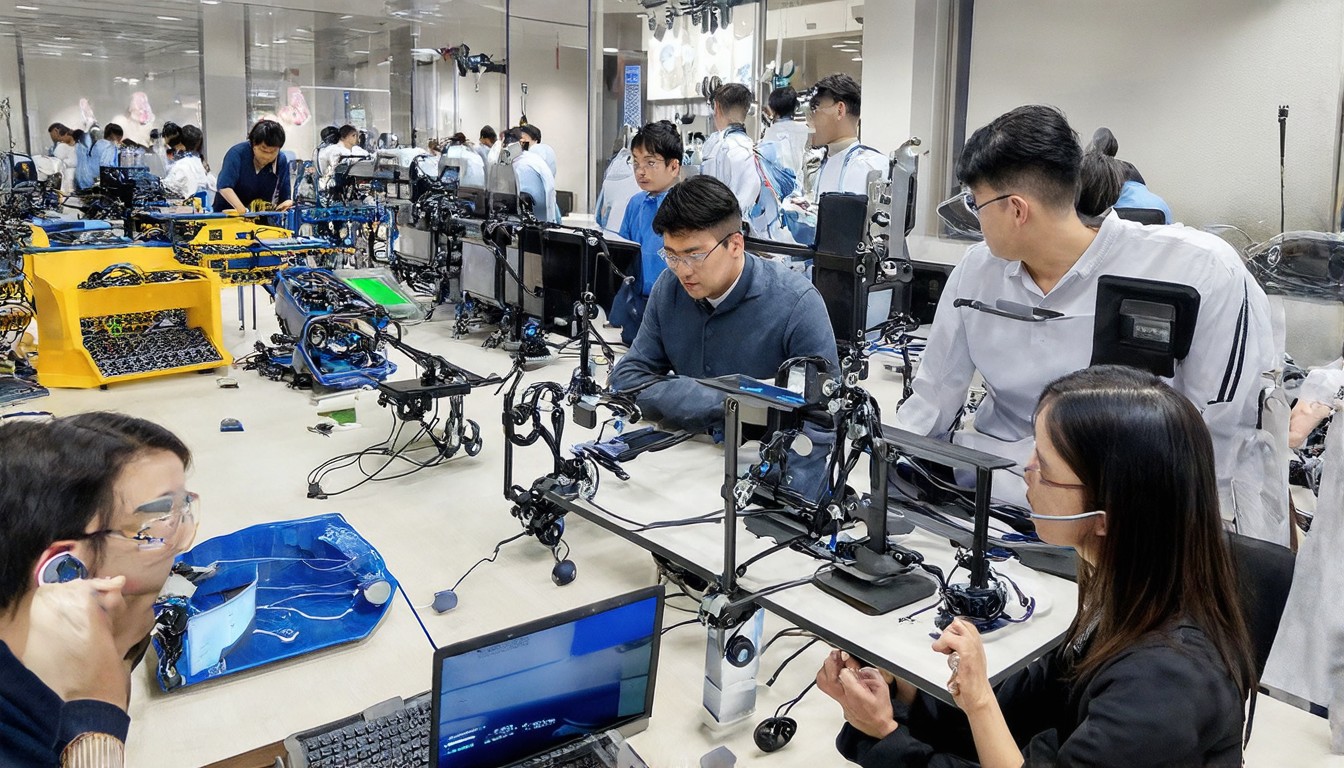
In recent weeks, China has witnessed a surge in interest in creating AI bots, driven by a program called OpenClaw. This trend, which has quickly gained momentum, is now being dubbed the latest viral craze in the country. The phenomenon is not only captivating tech enthusiasts but also reaching a broader audience, from teenagers to professionals, who are eager to experiment with the possibilities of AI-generated chatbots and virtual assistants.
OpenClaw, developed by Chinese developer Zhang Yi, has become the go-to tool for individuals looking to create their own AI bots. The program offers a user-friendly interface and a range of customization options, making it accessible to those with little to no technical expertise. This accessibility has contributed to the rapid spread of the craze, as users share their creations on social media platforms like Weibo and Douyin, sparking a wave of creativity and competition.
The appeal of AI bots lies in their versatility. From serving as virtual companions to performing mundane tasks, these bots have found their way into various aspects of daily life. Some users have created AI bots designed to mimic famous personalities, while others have focused on developing bots with specific functions, such as answering questions or providing recommendations. The creativity has been limitless, with some even venturing into the realm of humor and satire.
This fascination with AI bots is not without its challenges. As the number of bots increases, so does the need for regulation and oversight. Concerns have been raised about the potential misuse of AI technology, including the creation of bots that spread misinformation or engage in harmful behavior. Authorities are now closely monitoring the situation, with some regions implementing guidelines to ensure the responsible use of AI.
Despite these concerns, the enthusiasm for AI bots in China remains high. Many see it as a reflection of the country's growing interest in artificial intelligence and its potential to shape the future of technology. The rapid development and adoption of AI technology in China are part of a broader strategy to position the nation as a global leader in this field.
The viral craze for AI bots also highlights the role of social media in driving technological trends. Platforms like Weibo and Douyin have become hubs for users to showcase their creations, learn from each other, and engage in discussions about the possibilities and limitations of AI. This collaborative environment has accelerated the learning curve and spurred innovation, as users push the boundaries of what can be achieved with AI.
In conclusion, the fascination with AI bots in China, fueled by the OpenClaw program, is a testament to the country's dynamic tech scene and the growing influence of social media. While concerns about regulation and misuse exist, the excitement surrounding AI bots underscores the potential of this technology to transform various aspects of life. As the trend continues to evolve, it will be interesting to see how China's AI bot craze shapes the future of artificial intelligence and its integration into everyday life.









