
Building agricultural database for farmers
Digital Green uses OpenAI to increase farmer income.
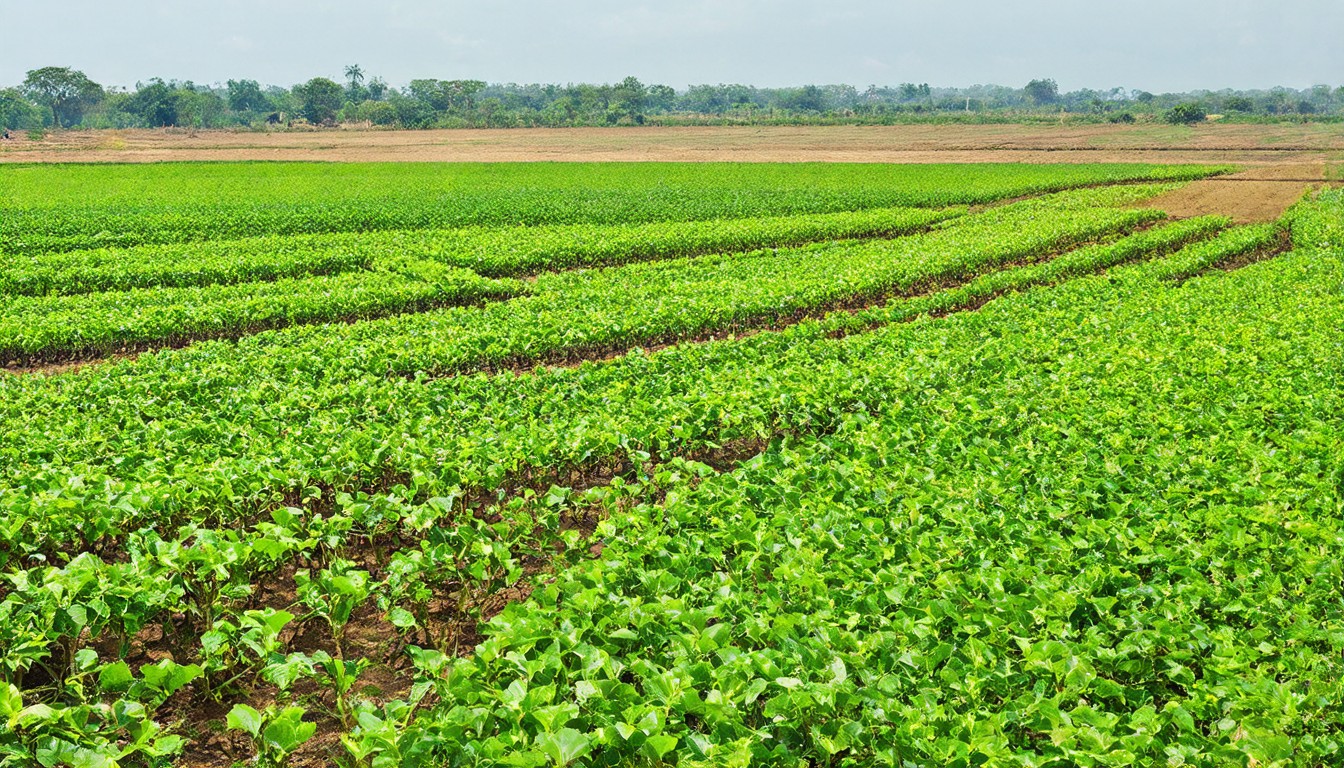
In recent years, the agricultural sector has been undergoing a significant transformation, driven by technological advancements that aim to boost productivity and sustainability. One of the most innovative developments in this space is the use of artificial intelligence (AI) to support farmers in making informed decisions. Digital Green, a pioneering company in this field, has been at the forefront of this revolution, leveraging OpenAI's cutting-edge capabilities to enhance the income of farmers worldwide.
Digital Green's groundbreaking approach involves the creation of an extensive agricultural database that integrates data from various sources, including weather patterns, soil quality, and market trends. By utilizing OpenAI's advanced algorithms, the platform is able to analyze this data in real-time, providing farmers with actionable insights that help them optimize their operations. This not only includes recommendations on crop selection, planting schedules, and irrigation strategies but also extends to predictive analytics for market prices and demand forecasts.
The impact of Digital Green's AI-driven solutions has been profound. Farmers who have adopted the platform have reported significant increases in yield and profitability. For instance, a study conducted in India found that farmers using Digital Green's services saw a 20% rise in crop yields compared to those who did not. This translates directly into higher incomes for farmers, who are able to invest more in their operations and improve their quality of life.
Moreover, Digital Green's technology has the potential to address some of the most pressing challenges faced by the agricultural industry. Climate change, for example, has led to unpredictable weather patterns that can severely impact crop production. By providing farmers with accurate and timely information on weather forecasts and soil health, Digital Green helps them make informed decisions that mitigate the risks associated with these changes.
In addition to boosting productivity, Digital Green's AI-driven solutions also contribute to sustainability. By optimizing resource usage, such as water and fertilizers, farmers can reduce their environmental footprint, promoting long-term ecological balance. This is particularly important in the context of global food security, where sustainable agriculture is key to meeting the growing demand for food while preserving natural resources.
The success of Digital Green's approach is not limited to individual farmers. The company's platform also offers valuable data to policymakers and researchers, enabling them to make evidence-based decisions that support agricultural development. By aggregating data from a large number of farms, Digital Green provides a comprehensive view of the agricultural landscape, which can inform policy interventions and guide research priorities.
Despite the clear benefits, there are still challenges that need to be addressed for Digital Green's technology to reach its full potential. One such challenge is the digital divide, which can prevent farmers in underserved areas from accessing these advanced tools. To overcome this, Digital Green is working with local governments and NGOs to ensure that its platform is accessible to farmers across all regions.
In conclusion, Digital Green's innovative use of OpenAI to increase farmer income represents a significant step forward in the agricultural industry. By providing farmers with the tools they need to make informed decisions, the company is not only boosting productivity and profitability but also contributing to sustainable and resilient farming practices. As the technology continues to evolve, it holds the promise of transforming the lives of millions of farmers around the world, ensuring a more prosperous and sustainable future for agriculture.









