
Britain needs a plan to invest in defence
Repeated delays are worrying partners and risk losing key technologies
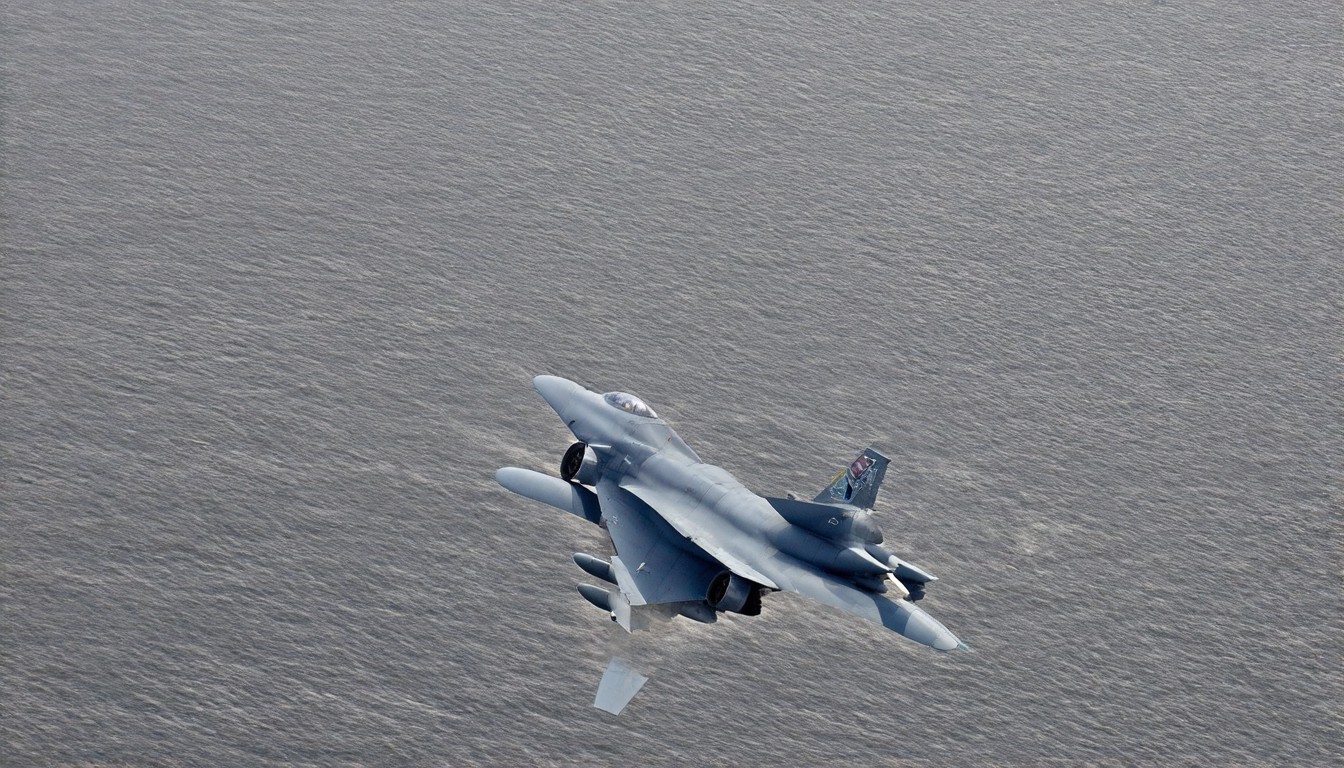
In recent years, the United Kingdom has faced mounting concerns over its ability to invest adequately in its defence sector. As global tensions rise and new threats emerge, allies and partners are growing increasingly concerned about the repeated delays in Britain's defence investments. These delays not only undermine the country's commitment to its international obligations but also risk losing access to cutting-edge technologies that are vital for maintaining a robust and modern military.
The issue stems from a combination of factors, including budget constraints, political instability, and a lack of strategic planning. Critics argue that the UK's defence spending has been inconsistent, with promises of increased investment often followed by cuts or postponements. This has led to a situation where key projects, such as the new Royal Navy aircraft carriers and the next-generation Trident nuclear deterrent, have been plagued by delays and cost overruns. These delays are not only expensive but also erode the trust of allies who rely on the UK's military capabilities.
The risk of losing key technologies is perhaps the most pressing concern. By delaying investments, the UK may miss out on opportunities to collaborate with international partners in the development of advanced military systems. This could leave the country at a disadvantage in the long term, as other nations advance their capabilities. For instance, the UK's involvement in the development of the F-35 Lightning II has been marred by delays, which has strained relations with the United States, the primary manufacturer of the aircraft.
Moreover, the delays are affecting the morale and readiness of the British Armed Forces. Military personnel are concerned about the future of their equipment and the ability of the UK to project power globally. This uncertainty can lead to a brain drain, as skilled personnel seek more stable employment opportunities elsewhere. The UK's ability to attract and retain top talent is crucial for maintaining a competitive and effective military, and delays in investment are undermining this.
The government has acknowledged the need for a more robust defence strategy, but concrete plans have been slow to materialize. There is a growing call for a clear, long-term investment plan that outlines specific projects, timelines, and funding commitments. Such a plan would reassure allies and partners that the UK is serious about its defence commitments and is committed to investing in the technologies that will shape the future of military capabilities.
In addition to addressing the immediate concerns, the UK must also consider the broader geopolitical landscape. As tensions rise with adversaries such as Russia and China, the need for a strong and modern defence sector becomes even more critical. The UK cannot afford to be seen as unreliable or unprepared, as this could have serious consequences for its international standing and security.
The challenge for the UK government is to balance the need for fiscal responsibility with the imperative of investing in defence. This requires a strategic approach that prioritizes the most critical projects and ensures that resources are allocated efficiently. By doing so, the UK can reassure its partners that it is committed to maintaining a robust and modern defence sector capable of addressing the evolving threats of the 21st century.
In conclusion, the repeated delays in Britain's defence investments are a cause for serious concern. They risk damaging international relations, losing access to key technologies, and undermining the readiness of the Armed Forces. To address these challenges, the UK must develop a clear, long-term investment plan that outlines specific projects, timelines, and funding commitments. Only then can the country ensure that it remains a reliable and effective partner on the global stage, capable of meeting the security challenges of our time.









