
Breaking down Trump's latest threats on the Strait of Hormuz
President Trump's latest comments on Iran included new threats on the Strait of Hormuz. Mark Cancian, a senior adviser with the Center for Strategic and International Studies' Defense and Security Department, joins CBS News with more.
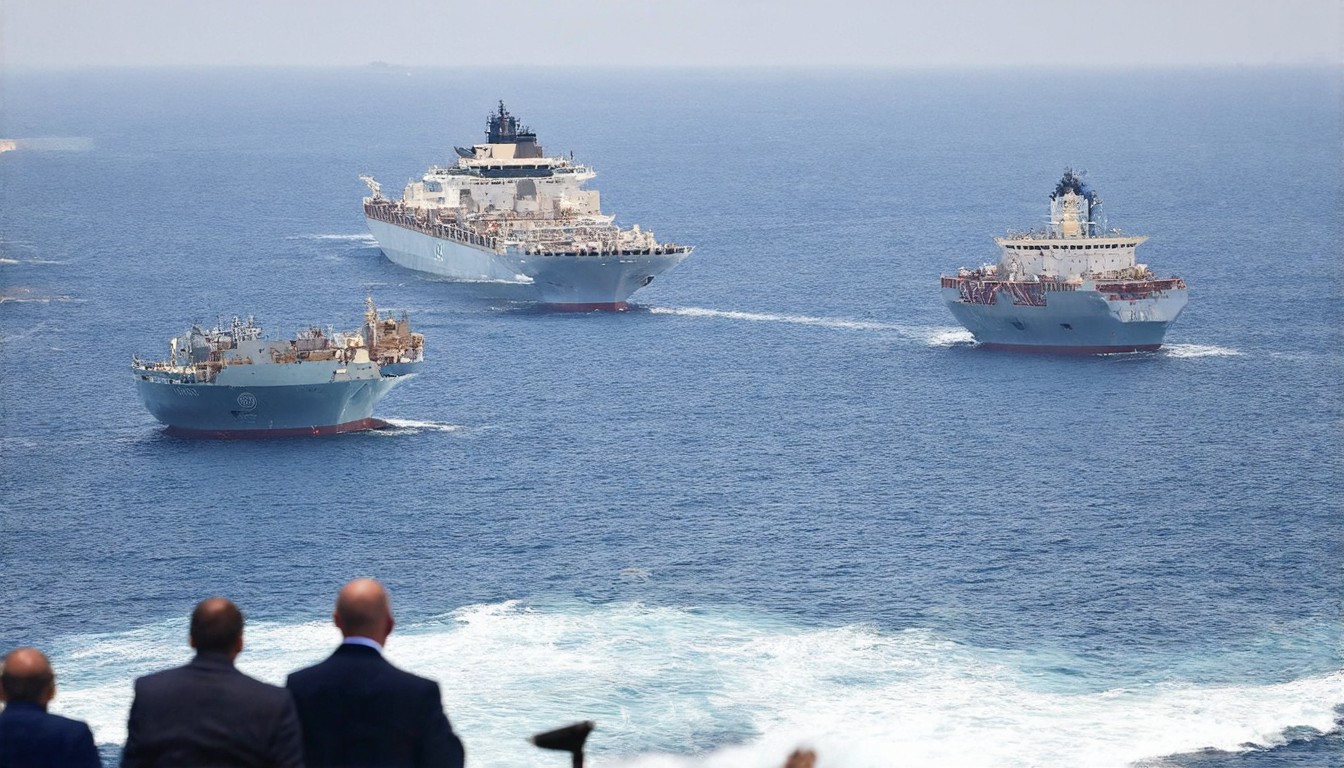
President Trump's recent threats regarding the Strait of Hormuz have once again heightened tensions between the United States and Iran, a region already fraught with geopolitical instability. The Strait of Hormuz, a narrow waterway between the Persian Gulf and the Gulf of Oman, is a critical chokepoint for global oil shipping, with approximately 30% of the world's daily oil supply passing through it. This makes the strait a focal point for both economic and strategic interests, and Trump's comments have sent ripples through international markets and diplomatic circles.
In a series of tweets, President Trump warned that the United States would take military action if Iran attempted to close the Strait of Hormuz. He stated, "If they (Iran) make any move to close the Strait of Hormuz, we will have a very quick and very hard response, and it will be a very significant response, not a long process." These remarks followed a recent incident where Iranian forces allegedly harassed a U.S. naval vessel in the region. Trump's threats have been met with concern from both allies and adversaries, as they could potentially escalate into a full-blown conflict.
Mark Cancian, a senior adviser with the Center for Strategic and International Studies' Defense and Security Department, has provided insights into the implications of Trump's threats. In an interview with CBS News, Cancian emphasized that the Strait of Hormuz is not just a geographical location but a complex web of political, economic, and military interests. He noted that any disruption to the strait's shipping lanes could lead to a sharp increase in global oil prices, potentially triggering economic instability worldwide.
Cancian also highlighted the strategic importance of the region. The Strait of Hormuz is not only a vital oil route but also a key area for military operations. The United States maintains a significant naval presence in the Persian Gulf, and any action by Iran could prompt a military response. Cancian cautioned that Trump's threats, while intended to deter Iran, could inadvertently push the country towards more aggressive actions. He suggested that the U.S. should focus on diplomatic efforts to de-escalate tensions rather than resorting to military force.
The Trump administration's approach to Iran has been marked by a series of back-and-forth moves, with the U.S. imposing harsh sanctions and Iran retaliating with threats of its own. The recent threats over the Strait of Hormuz have added another layer of complexity to an already volatile situation. Experts warn that any military action could have unpredictable consequences, potentially leading to a broader regional conflict that involves other countries with interests in the area, such as Saudi Arabia, the United Arab Emirates, and Qatar.
Moreover, the U.S. has faced criticism for its handling of the situation. Some argue that Trump's aggressive rhetoric undermines diplomatic efforts and emboldens Iran. Others contend that the U.S. should focus on building a coalition to counter Iranian aggression rather than relying solely on unilateral threats. Cancian emphasized the need for a multifaceted strategy that includes economic sanctions, diplomatic engagement, and military deterrence.
In conclusion, President Trump's threats on the Strait of Hormuz have reignited tensions between the U.S. and Iran, with potential ramifications for global oil markets and regional stability. While the U.S. aims to deter Iranian aggression, experts like Mark Cancian caution against the risks of military escalation. The situation underscores the need for a balanced approach that combines diplomatic efforts with strategic military posturing, all while considering the broader implications for global security and economic stability. As the situation continues to evolve, the international community must remain vigilant and prepared to address any potential escalations in the region.









