
Brain inspired machines are better at math than expected
Neuromorphic computers modeled after the human brain can now solve the complex equations behind physics simulations — something once thought possible only with energy-hungry supercomputers. The breakthrough could lead to powerful, low-energy supercomputers while revealing new secrets about how our brains process information.
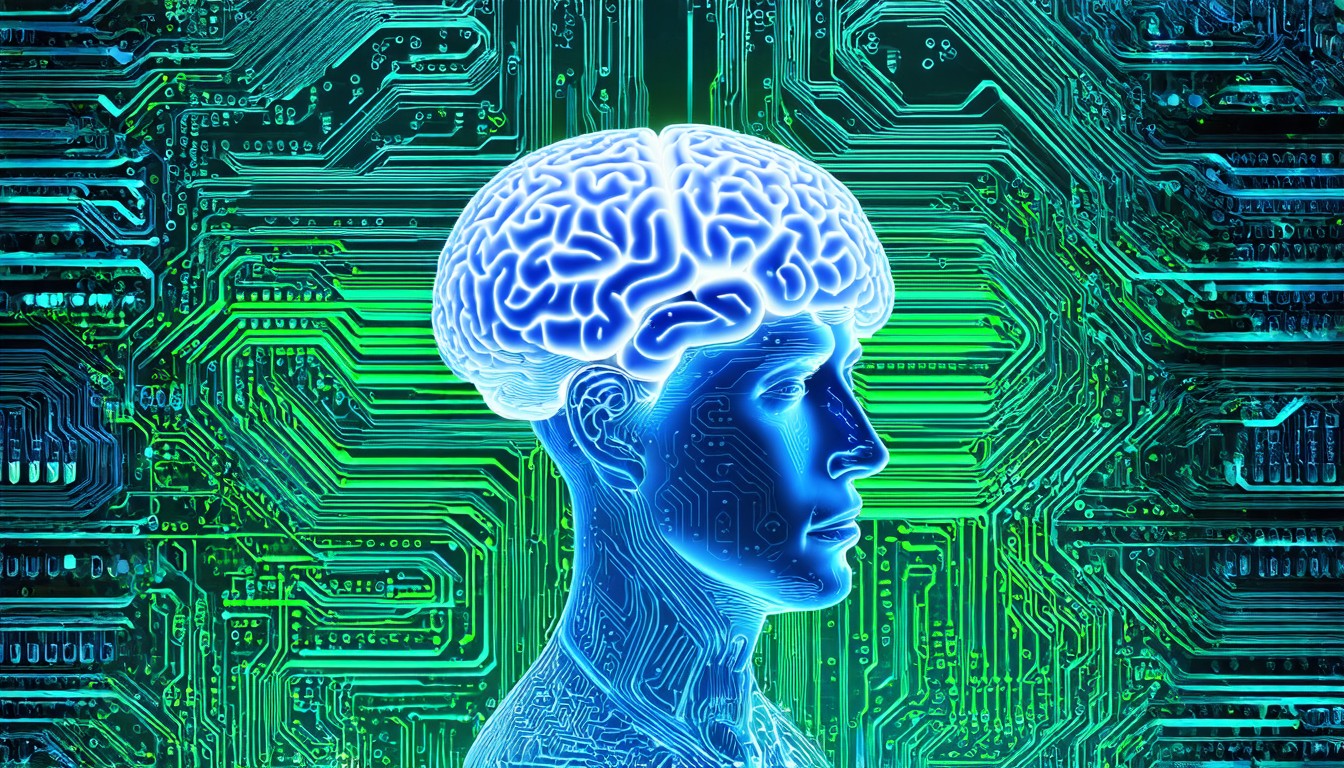
In a groundbreaking development, researchers have demonstrated that neuromorphic computers, which are designed to mimic the human brain's structure and function, are capable of solving complex equations used in physics simulations. This achievement was once believed to be the exclusive domain of energy-intensive supercomputers, but the newfound capability of these brain-inspired machines challenges traditional notions of computational power.
Neuromorphic computers, developed using principles inspired by the brain's neural networks, have long been seen as a potential solution to the energy consumption issues plaguing modern computing. By replicating the way neurons communicate and process information, these machines operate using far less energy than conventional supercomputers. This energy efficiency is particularly significant in an era where the demand for computational power continues to grow exponentially.
The breakthrough in solving physics simulations, which involve intricate mathematical models, showcases the remarkable potential of neuromorphic computing. These simulations are critical in various fields, including climate modeling, material science, and even drug discovery. Traditionally, running such simulations required massive supercomputers, often consuming vast amounts of electricity and generating significant heat. The ability of neuromorphic computers to handle these tasks with minimal energy use could revolutionize how these simulations are conducted, making them more accessible and sustainable.
Moreover, the success of neuromorphic computers in solving complex equations may provide valuable insights into how the human brain processes information. By studying the algorithms and architectures that enable these machines to perform calculations efficiently, researchers can gain a deeper understanding of the brain's computational strategies. This knowledge could lead to advancements in both artificial intelligence and neuroscience, potentially unlocking new avenues for developing more intelligent machines and improving our understanding of the human mind.
The implications of this breakthrough extend beyond the realm of physics simulations. As neuromorphic computers continue to evolve, they may become adept at tackling a wide range of computational tasks, from machine learning to cryptography. The energy efficiency of these machines could pave the way for the development of portable, low-power devices capable of performing complex computations on the go. This could have profound effects on industries ranging from healthcare to transportation, where real-time data processing is essential.
However, there are still challenges to be addressed. While neuromorphic computers have shown promise in specific areas, scaling them up to handle larger and more complex problems remains a hurdle. Researchers are actively working on improving the density and connectivity of these systems to enhance their computational capabilities. Additionally, understanding the exact mechanisms by which the brain processes information is a complex task that requires further investigation.
In conclusion, the ability of neuromorphic computers to solve complex equations behind physics simulations represents a significant leap forward in the field of artificial intelligence. This breakthrough not only offers a potential solution to the energy consumption issues of traditional supercomputers but also holds the promise of uncovering new secrets about the human brain's computational abilities. As research in this area continues, the potential for transformative advancements in both technology and neuroscience is immense, heralding a new era of intelligent machines and a deeper understanding of the human mind.









