Book Box: Fairy tales were never about children, but about you
From Andersen to modern life, fairy tales reveal desire, loss and survival—stories that speak less to children and more to the human condition.
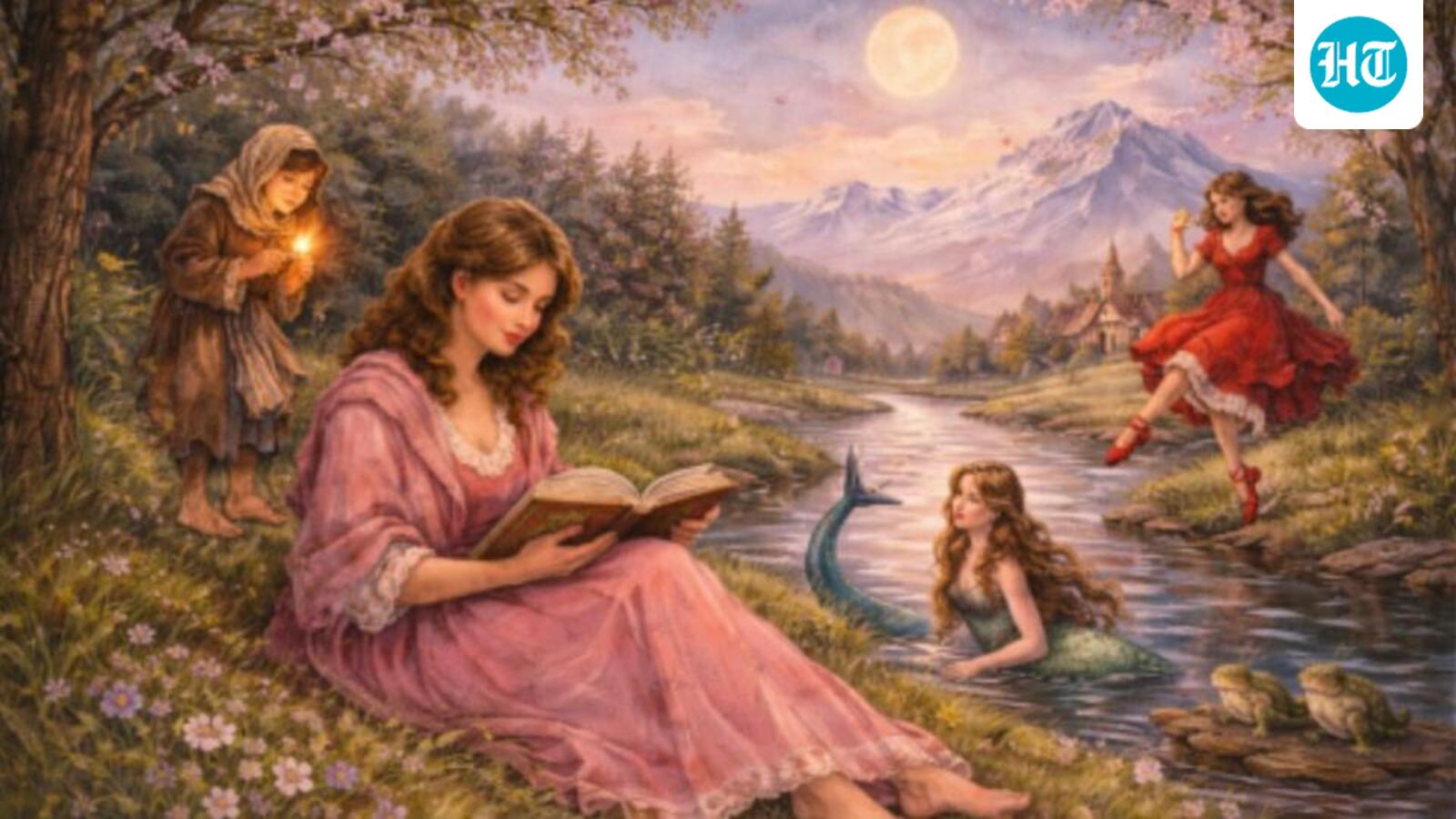
In the realm of literature, fairy tales have long been celebrated as stories for children, offering moral lessons and whimsical adventures. However, a deeper exploration of these tales reveals a rich tapestry of human emotions and experiences that transcend age, speaking to the universal desires, losses, and survival instincts that define the human condition. This narrative, spanning from the works of Hans Christian Andersen to contemporary interpretations, invites us to reconsider the true purpose of fairy tales and their enduring relevance.
Hans Christian Andersen, often regarded as the father of modern fairy tales, crafted stories that, on the surface, seemed to be intended for young readers. Yet, beneath the surface, his tales often delved into complex themes of love, loss, and the human struggle for identity. Andersen's "The Little Mermaid," for instance, is a poignant exploration of desire and sacrifice, as the titular character yearns for a human soul and ultimately sacrifices her own to win the love of a prince. This narrative, while told through the eyes of a childlike character, resonates deeply with adult themes of unrequited love and the consequences of selflessness.
Similarly, "The Ugly Duckling" is a story that transcends its apparent simplicity. At first glance, it appears to be a tale about acceptance and belonging, but it also reflects the inner turmoil and transformation that many adults undergo as they navigate their identities and place in the world. The duckling's journey from outcast to swan mirrors the human experience of self-discovery and the struggle to find one's true self amidst societal pressures.
As we move from Andersen's era to modern times, the influence of fairy tales on contemporary literature and culture becomes evident. Works such as "Beauty and the Beast," "Cinderella," and "Snow White" have been reimagined in films, books, and other media, each iteration offering fresh perspectives on these timeless stories. These modern adaptations often delve deeper into the psychological and emotional aspects of the tales, revealing their universal applicability to adult experiences.
For example, the 2017 film "Beauty and the Beast" reinterprets the classic story by focusing on the complex relationship between Belle and the Beast, exploring themes of empathy, understanding, and the power of love to transform both individuals and their surroundings. This adaptation invites viewers to reflect on their own capacity for change and the importance of seeing beyond appearances.
In addition to film and literature, fairy tales have permeated everyday language and culture, with phrases like "happily ever after" and "once upon a time" becoming ingrained in our collective consciousness. These elements serve as reminders of the enduring appeal of fairy tales, which continue to inspire and captivate audiences of all ages.
Moreover, the study of fairy tales, known as folkloristics, has revealed that these stories have been passed down through generations, often reflecting the collective experiences and values of a society. In this sense, fairy tales act as a mirror, reflecting the desires, fears, and aspirations of their creators and audiences. They provide a shared language through which people can connect with one another, transcending cultural and linguistic barriers.
The enduring popularity of fairy tales can also be attributed to their ability to address universal human experiences. Whether it's the desire for love, the fear of loss, or the struggle for survival, these tales offer a framework for understanding and processing these emotions. They provide comfort in the knowledge that one is not alone in their struggles, as countless others have walked similar paths before.
In conclusion, fairy tales, from Andersen to modern life, are more than just stories for children. They are a reflection of the human condition, exploring desires, losses, and survival in ways that transcend age and culture. By delving deeper into these tales, we gain insight into our own emotional landscapes and the shared experiences that bind us as a species. As such, fairy tales remain a vital part of our cultural heritage, offering a timeless lens through which to view the complexities of the human experience.