Bomb Scare at Delhi University: Ramjas, Miranda House Receive Threats Via Emails; Campuses Evacuated
Two prominent colleges under University of Delhi, the Ramjas College and Miranda House were evacuated on Monday morning after receiving bomb threat emails. Following the alerts, bomb disposal squads and dog units were immediately deployed to both campuses, where extensive search operations are currently underway, said ANI while citing the Delhi Police. Meanwhile, authorities cordoned […] The post Bomb Scare at Delhi University: Ramjas, Miranda House Receive Threats Via Emails; Campuses Evacuated appeared first on Tfipost.com .
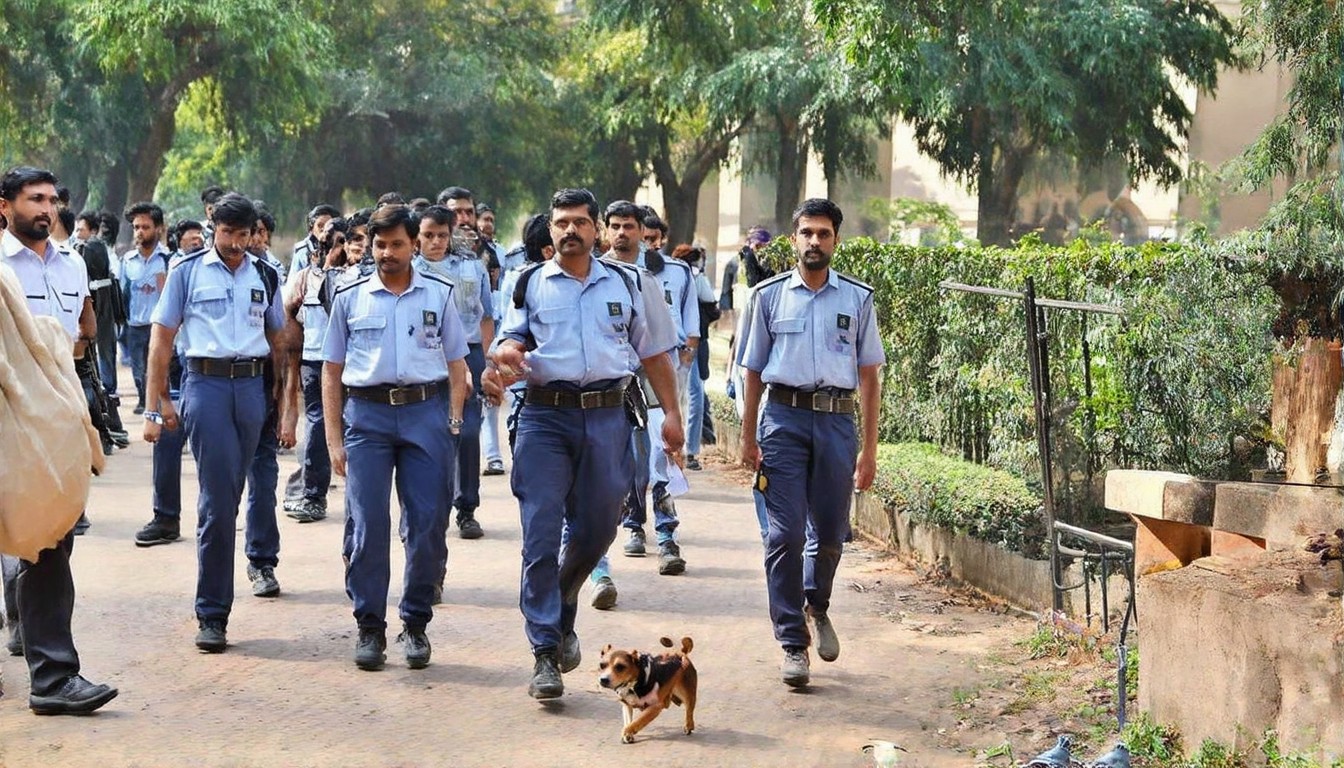
On Monday morning, two prominent colleges under the University of Delhi, Ramjas College and Miranda House, were evacuated following the receipt of bomb threat emails. The alerts prompted the immediate deployment of bomb disposal squads and dog units to both campuses, where extensive search operations are currently underway, according to ANI, citing the Delhi Police. Authorities have cordoned off the premises as a precautionary measure while further details are awaited.
This latest incident occurs close on the heels of a similar bomb threat email sent last week to the office of the Delhi mayor. That alert, later declared a hoax, had triggered a full-scale search operation led by personnel from the Kamla Market Police Station, along with bomb disposal and canine teams. In recent cases, threat emails have reportedly been sent in the name of an outfit identifying itself as the “Khalistan National Army.” While the authenticity of such claims remains under investigation, these messages have repeatedly led to evacuations, heightened security protocols, and disruption of normal activities across institutions.
Security experts note that such threats, whether credible or not, are treated with utmost seriousness due to the potential risk to public safety, especially in densely populated urban campuses and government facilities. The incident is part of a broader pattern of rising hoax bomb threats reported across India over the past year. Law enforcement agencies have been grappling with a sharp increase in such cases targeting educational institutions, courts, and government offices.
Earlier this month, the Delhi Police arrested a 47-year-old man from Mysuru, Karnataka, for allegedly sending more than 1,100 fake bomb threat messages nationwide. The accused, identified as Srinivas Louis, was apprehended from his rented accommodation following a coordinated operation involving Delhi Police and local authorities.
The University of Delhi administration has expressed concern over the recurring incidents and has emphasized the need for enhanced vigilance and cooperation with law enforcement agencies to curb such threats. Students and faculty members at Ramjas College and Miranda House have been advised to remain cautious and informed about the ongoing security measures.
As the search operations continue, the university administration has assured that all possible steps are being taken to ensure the safety of students, faculty, and staff. The incident has underscored the challenges faced by educational institutions in maintaining a secure environment amidst the increasing frequency of hoax alerts. Authorities are urging the public to report suspicious activities and threats to help prevent such incidents from causing harm or disruption.
In response to the surge in hoax threats, the Delhi Police have stepped up their efforts to identify and apprehend those responsible for sending false alarms. They have also launched awareness campaigns to educate the public about the consequences of such actions and the importance of reporting only verified information to authorities.
The bomb scare at Ramjas College and Miranda House serves as a stark reminder of the need for continuous vigilance and collaboration between educational institutions, law enforcement agencies, and the community to address the growing threat of hoax bomb alerts. As the search operations progress, the focus remains on ensuring the safety of all individuals on the affected campuses and preventing any potential harm.