Blowing Off Steam: How Power-Flexible AI Factories Can Stabilize the Global Energy Grid
At the half-time whistle of the UEFA EURO 2020 round of 16 football match between England and Germany, millions of viewers stepped away from their screens in the U.K. to do the same thing at the same time — turn on their kettles. National Grid, which provides electricity for England and Wales, saw a demand […]
At the half-time whistle of the UEFA EURO 2020 round of 16 football match between England and Germany, millions of viewers in the U.K. simultaneously turned on their kettles, causing a dramatic spike in electricity demand. National Grid, the electricity provider for England and Wales, recorded a surge of about 1 gigawatt — equivalent to the average output of a standard nuclear reactor — in just a few minutes. This unexpected demand peak highlighted the challenges grid operators face in managing energy consumption, especially as the grid continues to expand and integrate new customers.
However, a recent collaboration between Emerald AI, NVIDIA, EPRI, National Grid, and Nebius has proposed an innovative solution: power-flexible AI factories. These factories can autonomously adjust their power usage during periods of peak demand, potentially stabilizing the grid and reducing the need for costly infrastructure upgrades.
The concept of power-flexible AI factories was first demonstrated in successful proof-of-concept trials conducted in AI factories located in Arizona, Virginia, and Illinois. These trials showcased how AI factories could adapt their energy consumption patterns to align with grid needs, thereby mitigating the strain on the system during peak hours.
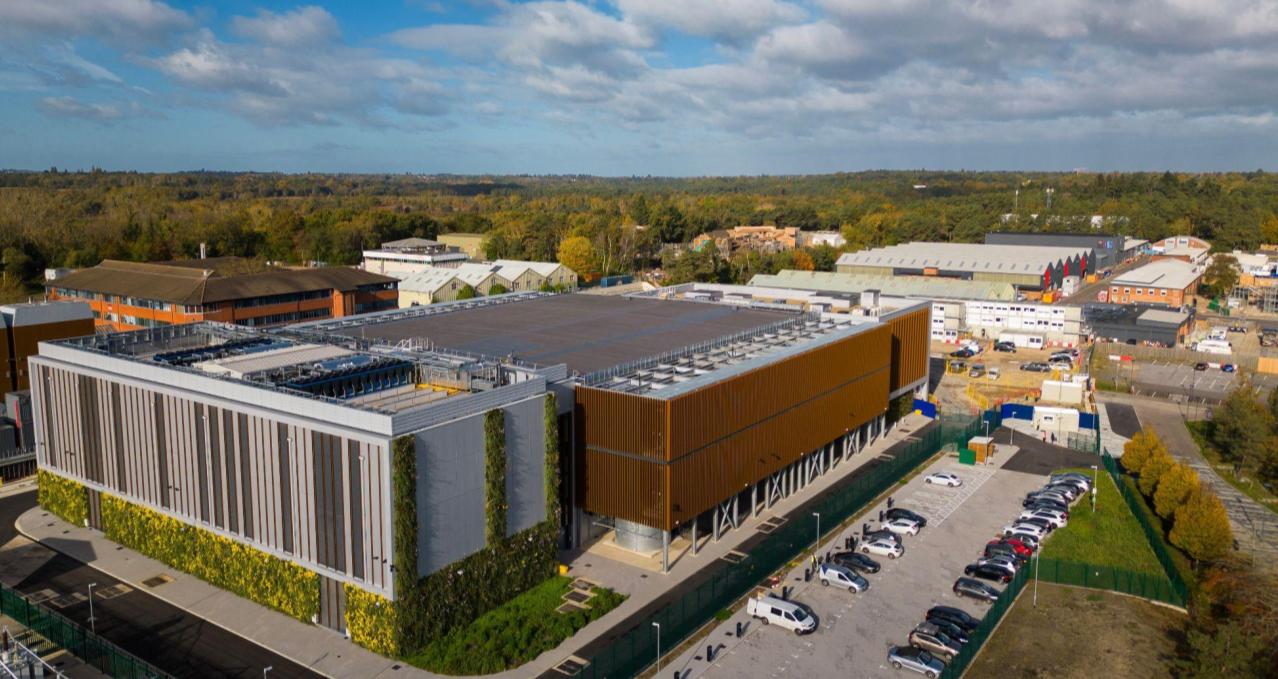
In December, Emerald AI expanded its flexible grid solution to the U.K., introducing the Emerald AI Conductor Platform at Nebius’ new AI factory in London. Built on NVIDIA infrastructure, this facility is among the first of its kind in the country. The research team at the AI factory ran production-grade AI workloads on a cluster of 96 NVIDIA Blackwell Ultra GPUs, connected through the NVIDIA Quantum-X800 InfiniBand platform. The NVIDIA System Management Interface provided consistent, seconds-level GPU power telemetry, enabling precise monitoring and management of energy usage.
EPRI and National Grid further tested the system's resilience by simulating various stress scenarios on the power grid, including lightning strikes and other potential disruptions. These simulations helped evaluate the AI factory's ability to adapt and maintain stability during extreme conditions.
The integration of power-flexible AI factories offers several benefits. For one, it allows for faster grid connections without the need for extensive, time-consuming infrastructure projects. For the public, this approach helps curb the peak load that the grid must serve, ultimately keeping electricity rates affordable for everyday consumers.
By leveraging AI and advanced computing technologies, power-flexible factories represent a promising step toward a more stable and sustainable energy future. As the global energy grid continues to evolve, solutions like these can play a crucial role in balancing demand and supply, ensuring reliable access to electricity for all.