BlackRock’s Larry Fink warns against market timing, says missing best days can halve returns
BlackRock CEO Larry Fink said staying invested through periods of turmoil has historically delivered far stronger returns.
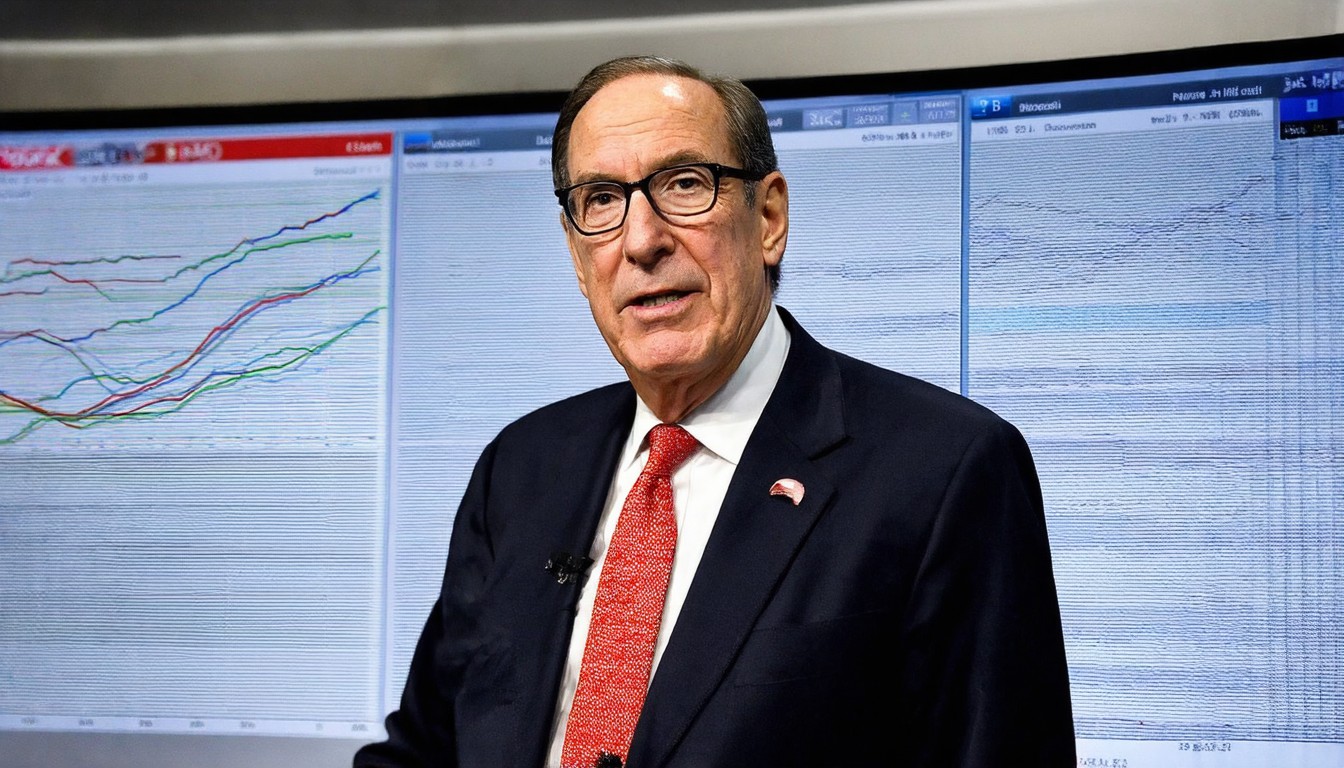
BlackRock CEO Larry Fink recently cautioned investors against the perilous practice of market timing, arguing that missing out on the best days can significantly reduce returns. In a speech at the Economic Club of Washington, Fink emphasized the importance of maintaining a long-term perspective, particularly during periods of market volatility. He highlighted that history has shown that investors who stay invested, even through challenging times, often end up with far stronger returns than those who attempt to time the market.
Fink's remarks come as a response to the common temptation for investors to react to short-term fluctuations in the market. Many individuals and institutions are lured into making hasty decisions based on fear or greed, leading them to sell off assets during downturns or rush into investments during rallies. However, Fink warns that such actions can result in significant missed opportunities. He underscored that the best days in the market often occur after periods of turmoil, and those who remain invested are well-positioned to capitalize on these gains.
To illustrate his point, Fink provided historical data showing that investors who maintained their positions during market corrections or downturns typically experienced higher returns over the long term. He cited examples such as the dot-com bubble burst in the early 2000s and the financial crisis of 2008, where those who stayed invested ultimately benefited from the subsequent market recoveries. Fink argued that the key to success lies in adopting a disciplined, long-term investment strategy rather than trying to predict market movements.
Moreover, Fink addressed the challenges investors face in implementing such a strategy. He acknowledged that market volatility can be daunting, and emotions often play a significant role in decision-making. However, he emphasized the importance of developing a robust investment plan that incorporates diversification and a clear understanding of one's risk tolerance. By focusing on the big picture and avoiding short-term thinking, investors can better withstand market fluctuations and achieve their financial goals.
In addition to market timing, Fink also touched upon the broader implications of his message. He suggested that the ability to stay invested during tough times is not just a financial skill but also a psychological one. It requires discipline, patience, and a willingness to ride out the storm. Fink argued that this mindset is crucial not only for individual investors but also for the overall health of the economy. When investors remain committed to the market, it fosters stability and encourages businesses to invest and grow.
Fink's message resonates with many investors who have experienced the pitfalls of market timing firsthand. Many have learned the hard way that trying to time the market can lead to significant losses and missed opportunities. By staying invested, investors can benefit from the compounding effect of consistent returns over time. This approach not only mitigates the risks associated with market volatility but also allows investors to take advantage of the powerful forces of economic growth and corporate earnings.
In conclusion, Larry Fink's warning against market timing serves as a valuable reminder for investors to reconsider their strategies. By adopting a long-term perspective and maintaining discipline during periods of market turmoil, investors can enhance their chances of achieving strong, consistent returns. As the CEO of BlackRock, one of the world's largest asset management firms, Fink's insights carry significant weight, and his message is likely to resonate with a wide range of investors seeking to navigate the complexities of the financial market. Ultimately, Fink's advice boils down to a simple yet powerful principle: the best way to ensure long-term success is to stay the course, even when the market seems uncertain or challenging.