Nitin Nabin's Jharkhand Tour: BJP's Organisational Push
BJP National President Nitin Nabin has commenced a pivotal two-day organisational tour of Jharkhand, starting Saturday. The visit is strategically designed to involve a series of high-level meetings and direct interactions, focusing on bolstering the party's f
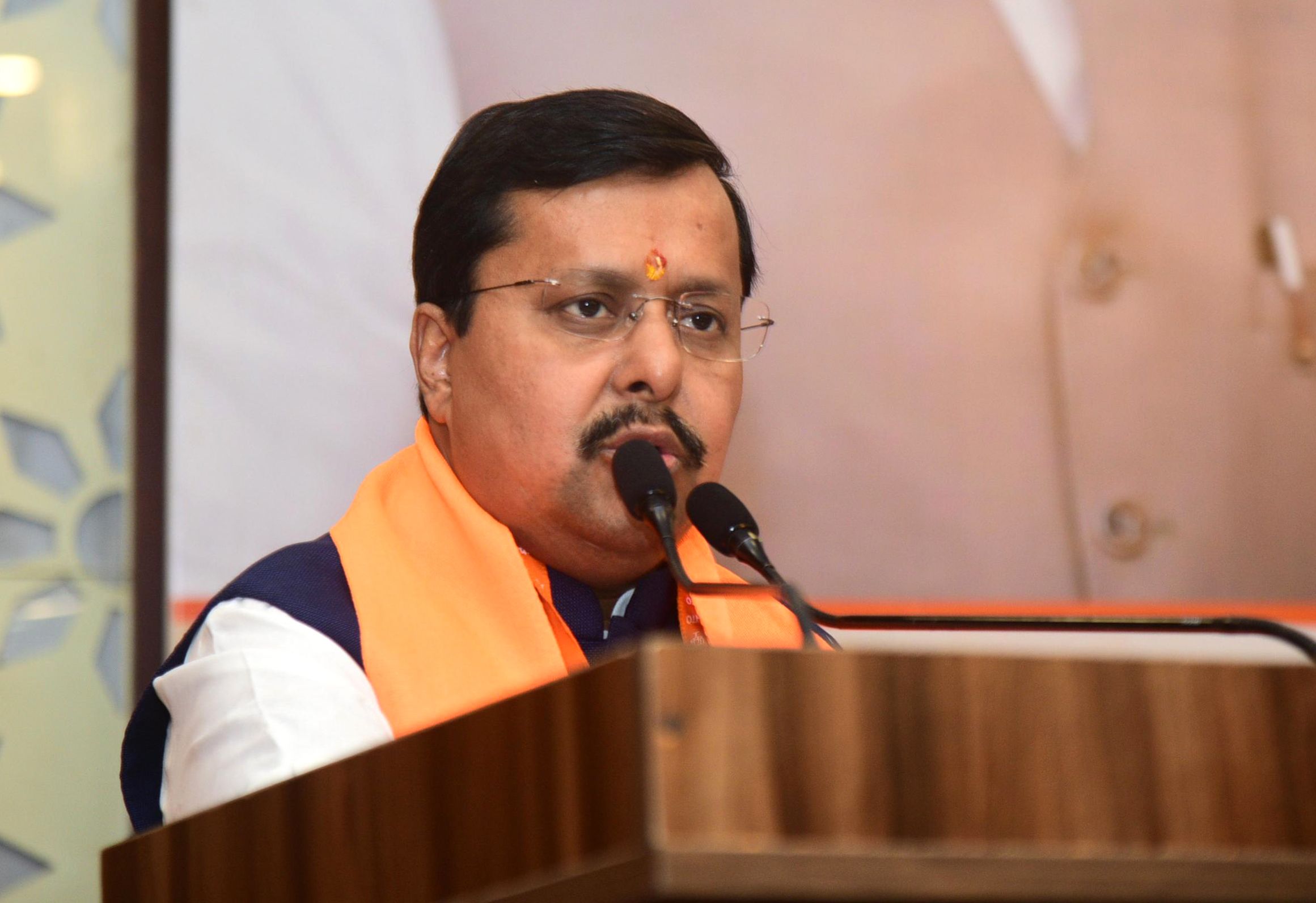
BJP National President Nitin Nabin has reportedly commenced a crucial two-day organisational tour of Jharkhand, beginning this Saturday. The high-profile visit is understood to be a strategic exercise, during which the national leader is slated to participate in a series of meetings and interactions. These engagements are primarily aimed at driving the party's organisational expansion initiatives within the state, reinforcing its structure from the grassroots upwards. Such tours by top party leadership are a cornerstone of political strategy, designed to invigorate cadres and align state units with national objectives.
The concept of 'organisational expansion' is fundamental to any major political party's long-term viability and electoral success. For the Bharatiya Janata Party, this often translates into a concerted effort to deepen its roots, enhance membership, and strengthen its various frontal organisations at every level, from the state capital down to the booth. This continuous process ensures that the party remains responsive to local dynamics, maintains a strong presence, and is well-prepared for any political developments or electoral contests that may arise.
Jharkhand, a state with a diverse demographic and complex political landscape, holds significant importance for national parties. A robust organisational structure in such a state is vital for effective governance, policy implementation, and electoral performance. The visit by the National President underscores the party's recognition of Jharkhand's strategic value, indicating a focused approach to consolidate and expand its influence in this key region.
The series of meetings and interactions that Nitin Nabin is expected to undertake will likely involve a wide spectrum of party functionaries. This could include state-level office bearers, district presidents, Mandal chiefs, and potentially even booth-level workers. The discussions during these sessions typically revolve around reviewing the party's performance, identifying areas for improvement, addressing local challenges, and strategizing for future outreach programs and public engagement initiatives. Such direct engagement provides invaluable feedback to the central leadership.
The role of a National President in such a tour is multifaceted. Beyond merely overseeing operations, the President's presence serves as a significant morale booster for party workers. It provides an opportunity for direct communication, allowing the central leadership to convey its vision, priorities, and ideological tenets directly to the state units. This ensures a cohesive approach and fosters a sense of unity and purpose among the party's vast network of volunteers and office bearers.
Broader implications of such a high-level visit extend to the party's long-term strategic planning. By engaging directly with state units, the National President gains firsthand insights into the ground realities, which can then inform national policy decisions and campaign strategies. This collaborative approach is crucial for building a strong, resilient political organisation capable of adapting to evolving political environments and effectively addressing the aspirations of the populace.
The timing of Nitin Nabin's visit, commencing on a Saturday, suggests a dedicated focus on these organisational imperatives. Such tours are often meticulously planned to maximize engagement and cover a wide range of party activities within the stipulated timeframe. They are not merely ceremonial but are integral components of a continuous party-building exercise, designed to ensure sustained growth and political relevance, independent of immediate electoral cycles.
While specific outcomes are not detailed, the primary objectives of such a tour are generally understood to be the invigoration of the state unit, streamlining of party operations, and ensuring that the party's message resonates effectively at all levels of the organisation and with the general public. The emphasis on interactions suggests a two-way communication process, vital for a dynamic political entity.
The Bharatiya Janata Party has consistently prioritized strengthening its organisational structure across the nation, viewing it as the backbone of its political power. Nitin Nabin's visit to Jharkhand is a clear manifestation of this ongoing commitment. It highlights the party's belief that a strong, well-organised cadre base is essential for achieving its political goals and effectively serving the electorate.
In conclusion, the two-day organisational tour by BJP National President Nitin Nabin to Jharkhand represents a significant strategic step in the party's continuous efforts to expand and consolidate its presence. Through a series of focused meetings and interactions, the visit aims to bolster the party's foundational strength, energize its cadres, and ensure its readiness for future political challenges, underscoring the enduring importance of grassroots engagement in Indian politics.