
Bitch: a history
The word can morph from noun to verb to adjective, from dog to human, from female to male. What will it do next? - by Karen Stollznow Read on Aeon
The word "bitch" has a fascinating history, one that is as complex and evolving as the language itself. Over the centuries, this term has transformed from a simple noun to a verb, an adjective, and even taken on new meanings that stretch beyond its original context. The journey of "bitch" reflects the dynamic nature of language and the ways in which words can adapt to changing social, cultural, and political landscapes.
Originating in Old English, the term "bīce" referred to a female dog. This usage was straightforward and uncontroversial, simply denoting a canine's gender. Over time, the word evolved into Middle English as "byche" and later "biche," retaining its primary meaning of a female dog. However, it was during the early modern period that "bitch" began to take on new connotations, shifting from a neutral term to one with significant emotional and social weight.
By the 16th century, "bitch" had begun to be used as a pejorative term for a woman, particularly one who was perceived as unruly, disobedient, or sexually promiscuous. This shift in meaning can be traced to the association of female dogs with reproductive behaviors that were seen as uncontrollable or undesirable in human society. The use of "bitch" to describe women in this manner was often rooted in misogynistic beliefs and served to demean and marginalize those who challenged traditional gender norms.
As language continued to evolve, so too did the word "bitch." In the 20th century, the term underwent another transformation, this time becoming a verb. The phrase "to bitch" emerged, meaning to complain, whine, or engage in petty arguments. This new usage reflects a broader societal shift toward more informal and colloquial language, as well as a recognition of the ways in which women's voices and behaviors were often criticized or dismissed.
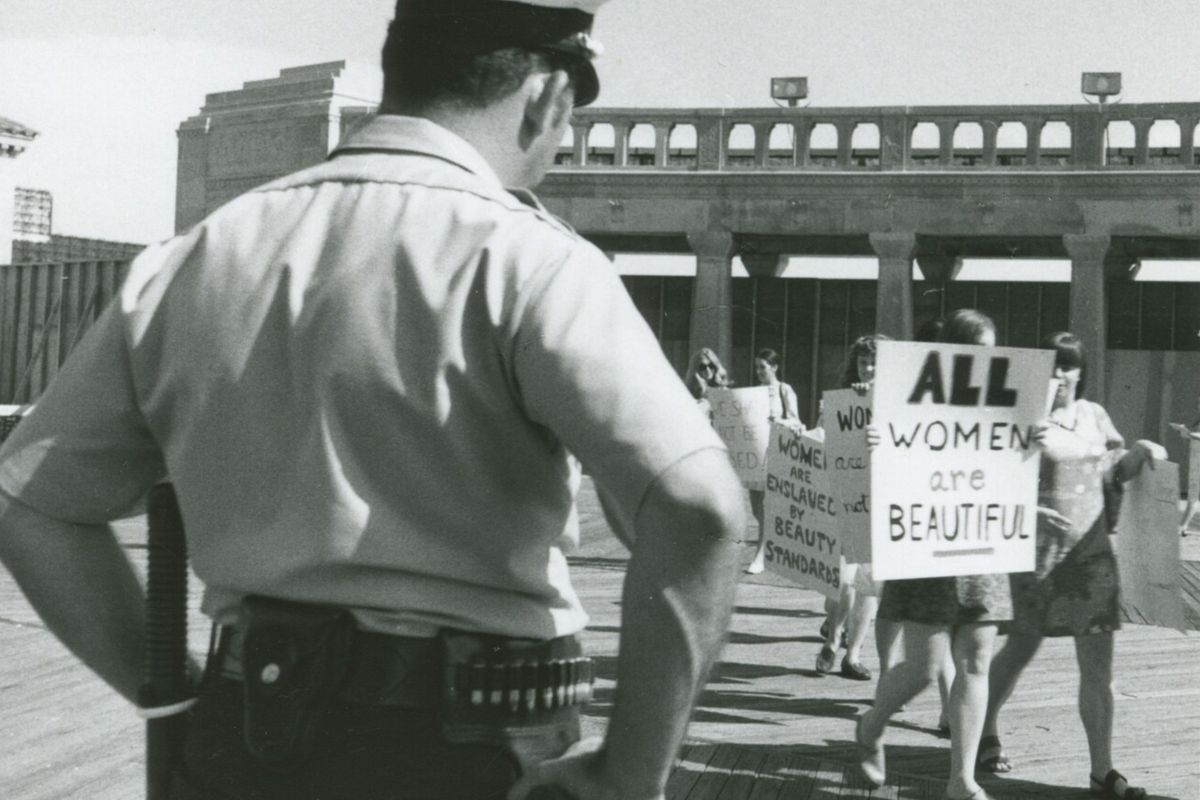
Simultaneously, "bitch" has also been reclaimed by those it once marginalized. In the feminist movement of the late 20th century, the term was embraced as a form of empowerment and resistance. By using "bitch" to describe themselves or each other, women reclaimed a word that had been used to demean them, transforming it into a badge of honor and a symbol of solidarity. This reappropriation highlights the complex interplay between oppression and resistance in language, as well as the power of words to both harm and heal.
More recently, the word "bitch" has continued to expand its semantic range. It has been used as an adjective to describe anything that is fierce, strong, or unapologetically confident. This modern usage reflects a broader cultural shift toward valuing individuality and self-expression, as well as a recognition of the strength and resilience often associated with the term.
Interestingly, the gender dynamics surrounding the word "bitch" have also evolved. While it has long been associated with women, in recent years the term has begun to be used more frequently to describe men who are perceived as overly emotional, whiny, or stereotypically feminine. This new usage challenges traditional gender roles and highlights the fluidity of language in reflecting and shaping societal attitudes.
The future of the word "bitch" remains uncertain, as it has throughout its history. Language is a living, breathing entity that adapts to the needs and realities of the people who use it. As society continues to change, so too will the meanings and uses of "bitch." Whether it will become a term of even greater empowerment or continue to be a source of controversy and debate remains to be seen. However, one thing is clear: the word "bitch" will not remain static, but will continue to evolve, reflecting the ever-changing tapestry of human experience and expression.









