
Bill to ban sale of key AI chipmaking equipment to China introduced in House
A bipartisan group of senators introduced a bill that would severely limit the sale of advanced semiconductor machinery to China used for AI systems.
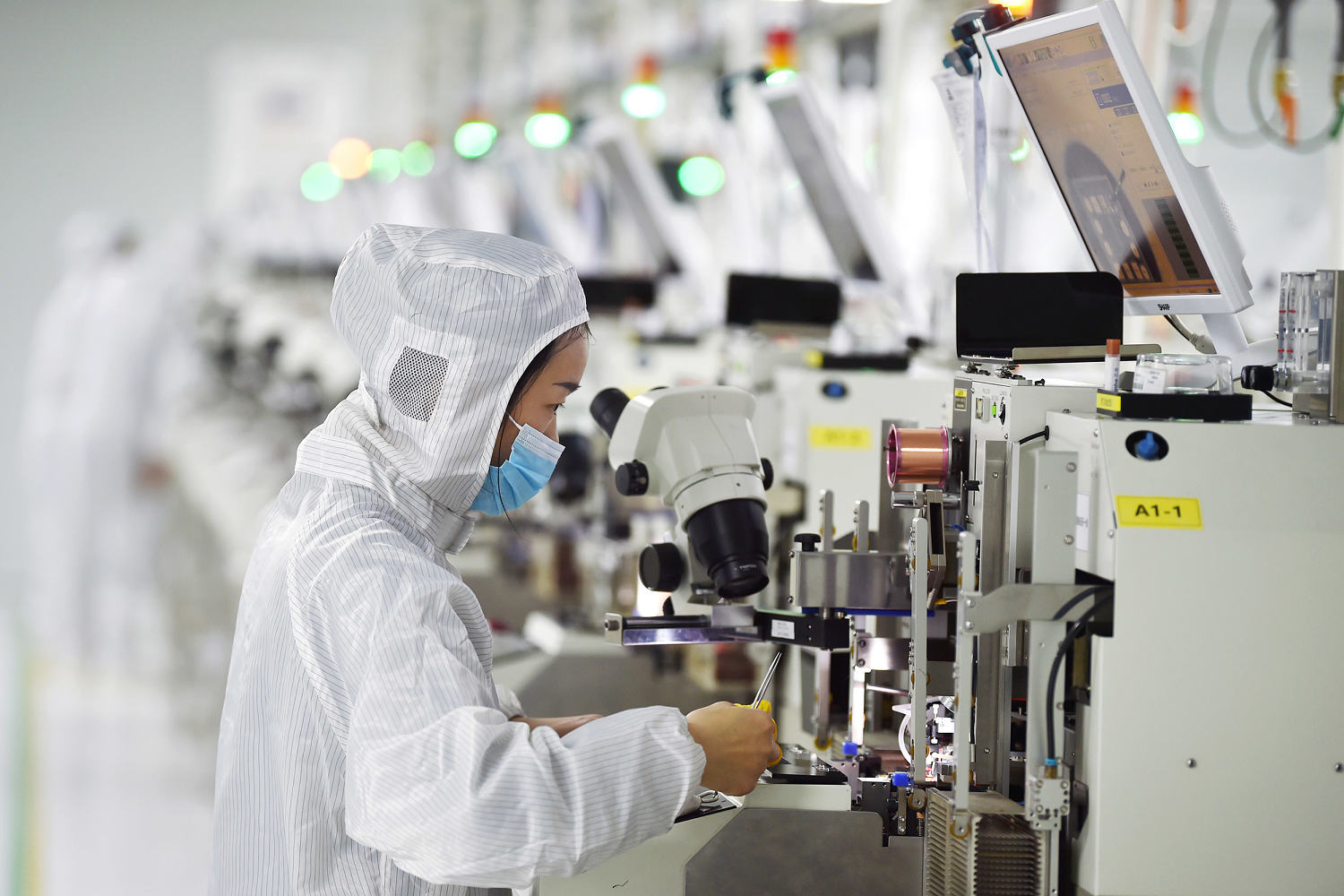
A bipartisan group of U.S. senators has introduced a bill aimed at restricting the sale of advanced semiconductor manufacturing equipment to China, a move that could significantly impact the country's ability to develop advanced artificial intelligence (AI) systems. The legislation, which has been described as a bid to curb China's technological advancements in AI, follows growing concerns about the nation's rapid progress in this field and its potential implications for global security and economic competition.
The bill, which has been co-sponsored by several Republican and Democratic senators, seeks to impose strict export controls on key machinery used in the production of semiconductors, particularly those that are critical for high-performance computing and AI applications. These machines are essential for manufacturing advanced microprocessors, which are the backbone of modern AI systems. By limiting access to such equipment, the U.S. aims to slow down China's technological development and maintain its own leadership in the field.
The proposal comes as a response to China's aggressive push to become a global leader in AI technology. In recent years, the Chinese government has invested heavily in research and development, establishing numerous AI research centers and attracting top talent from around the world. This has led to significant advancements in areas such as natural language processing, image recognition, and autonomous systems. However, U.S. officials have expressed concerns that China's rapid progress could pose a threat to national security, as the country could potentially leverage its AI capabilities for military or surveillance purposes.
The bill's introduction has been met with mixed reactions from various stakeholders. Supporters argue that it is necessary to protect U.S. national interests and maintain a competitive edge in the global AI market. They contend that without such measures, China could quickly surpass the U.S. in AI technology, leading to a loss of economic competitiveness and a potential erosion of national security.
Critics, however, warn that the proposed restrictions could have unintended consequences. They argue that limiting the sale of semiconductor equipment to China might force the country to develop its own manufacturing capabilities, which could ultimately lead to a technological arms race. Additionally, some experts predict that China could turn to other countries for the necessary equipment, potentially undermining the intended effect of the legislation.
The bill faces a challenging path to passage, as it will require bipartisan support in both the House and Senate. However, the growing tensions between the U.S. and China over trade, technology, and security issues have made such measures more likely to gain traction. The debate over the bill is expected to highlight the complex interplay between economic interests, technological competition, and national security concerns in an increasingly interconnected world.
In the meantime, the semiconductor industry, which has been at the forefront of the AI revolution, is closely monitoring the situation. Many companies that manufacture the advanced machinery in question have already taken steps to ensure compliance with existing export controls. However, the proposed bill could force them to further tighten their export practices and invest in additional security measures to prevent unauthorized sales.
As the bill moves forward, it will be interesting to see how the U.S. and China respond to each other's actions. The stakes are high, as the race for AI supremacy is not only about technological prowess but also about maintaining global influence and economic dominance. The introduction of this bill is a clear indication that the U.S. is willing to take a hard line on technology exports, reflecting a broader strategy to counterbalance China's growing power in various domains.
In conclusion, the bipartisan bill to restrict the sale of advanced semiconductor equipment to China represents a significant effort to curb the nation's AI capabilities. While it aims to protect U.S. interests, the legislation's impact on the global AI landscape and its potential unintended consequences remain to be seen. As the debate unfolds, it is clear that the intersection of technology, economics, and geopolitics will continue to shape the trajectory of this high-stakes competition.









