
Big Tech Shouldn’t Be Writing the Rules for AI
Anthropic’s clash with the Trump administration has exposed the extent to which governments have abdicated their responsibility over AI governance. To prevent powerful technologies from being shaped solely by corporate profit incentives, democracies must establish the institutions needed to oversee them.
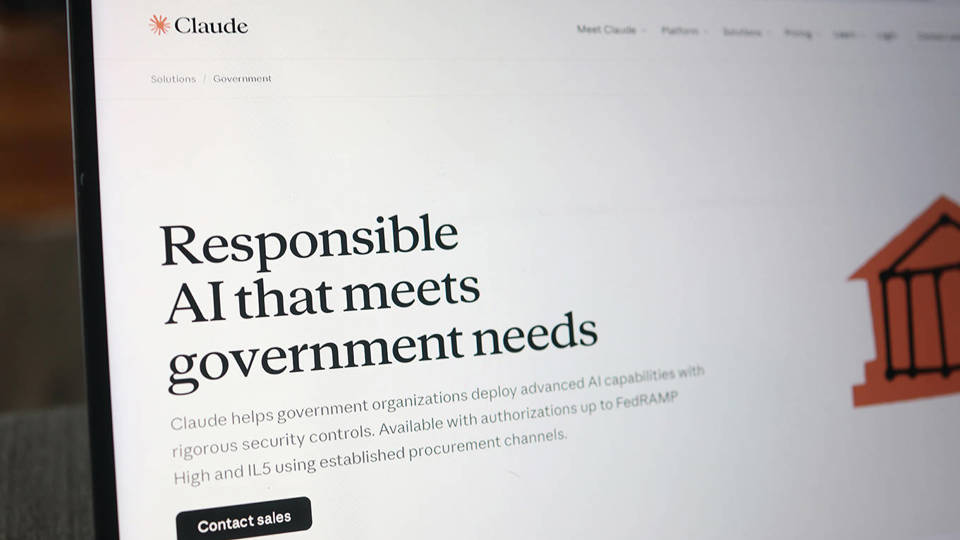
In recent months, the clash between Anthropic, a prominent AI research company, and the Trump administration has highlighted a critical issue in the world of artificial intelligence: the lack of government oversight in AI governance. This conflict underscores the urgent need for democracies to establish institutions that can effectively oversee the development and deployment of powerful AI technologies, ensuring they align with public interests rather than being shaped solely by corporate profit incentives.
Anthropic, a startup known for its advanced AI capabilities, found itself at the center of a regulatory storm when the Trump administration attempted to impose restrictions on its operations. The administration's actions were motivated by concerns over national security and the potential impact of Anthropic's AI on the U.S. economy. However, the response from Anthropic and its supporters was swift and clear: governments must take a more active role in regulating AI to prevent it from becoming a tool of corporate greed or political manipulation.
This clash is not an isolated incident. It is a symptom of a broader trend where governments around the world have largely abdicated their responsibility to govern AI. In many cases, governments have relied on self-regulation by tech companies or have left the field to private entities entirely. This approach has led to a situation where AI development is often driven by profit motives, with little regard for the societal and ethical implications.
The consequences of this lack of oversight are already being felt. AI technologies, once developed, can have profound and far-reaching effects on society, from shaping the job market to influencing political discourse. If left unchecked, these technologies could be used to manipulate elections, spread disinformation, or even threaten national security. It is crucial, therefore, that democracies establish robust institutions to oversee AI development and deployment.
One of the key challenges in establishing such institutions is the rapid pace of AI advancement. The field is evolving at an unprecedented speed, making it difficult for governments to keep up with the latest developments. To address this, democracies must invest in research and development, as well as in the training of experts who can navigate the complex landscape of AI.
Moreover, it is essential that these institutions be designed with a focus on inclusivity and diversity. AI technologies are not neutral; they are shaped by the biases and perspectives of those who develop them. By involving a wide range of stakeholders in the regulatory process, including experts, civil society organizations, and the general public, governments can ensure that AI development is more equitable and reflects the diverse needs and values of society.
Another critical aspect of AI governance is the need for transparency and accountability. Tech companies must be held responsible for the impacts of their AI technologies, and governments must have the tools to enforce this accountability. This includes establishing clear guidelines on data privacy, ensuring that AI systems are not used for discriminatory purposes, and providing mechanisms for redress when harm is caused.
In conclusion, the clash between Anthropic and the Trump administration serves as a stark reminder of the importance of government oversight in the realm of AI. Democracies must act swiftly to establish the institutions and frameworks necessary to oversee AI development and deployment. By doing so, they can ensure that these powerful technologies are used for the betterment of society, rather than being shaped by corporate profit incentives alone. The stakes are high, and the time for action is now.









