
Beyond x86: Alternative CPU Choices for GPU-Driven AI
AI servers typically use x86 CPUs, but ARM, RISC-V, and ASICs can improve energy efficiency and sustainability when used with the right workloads and software optimization.
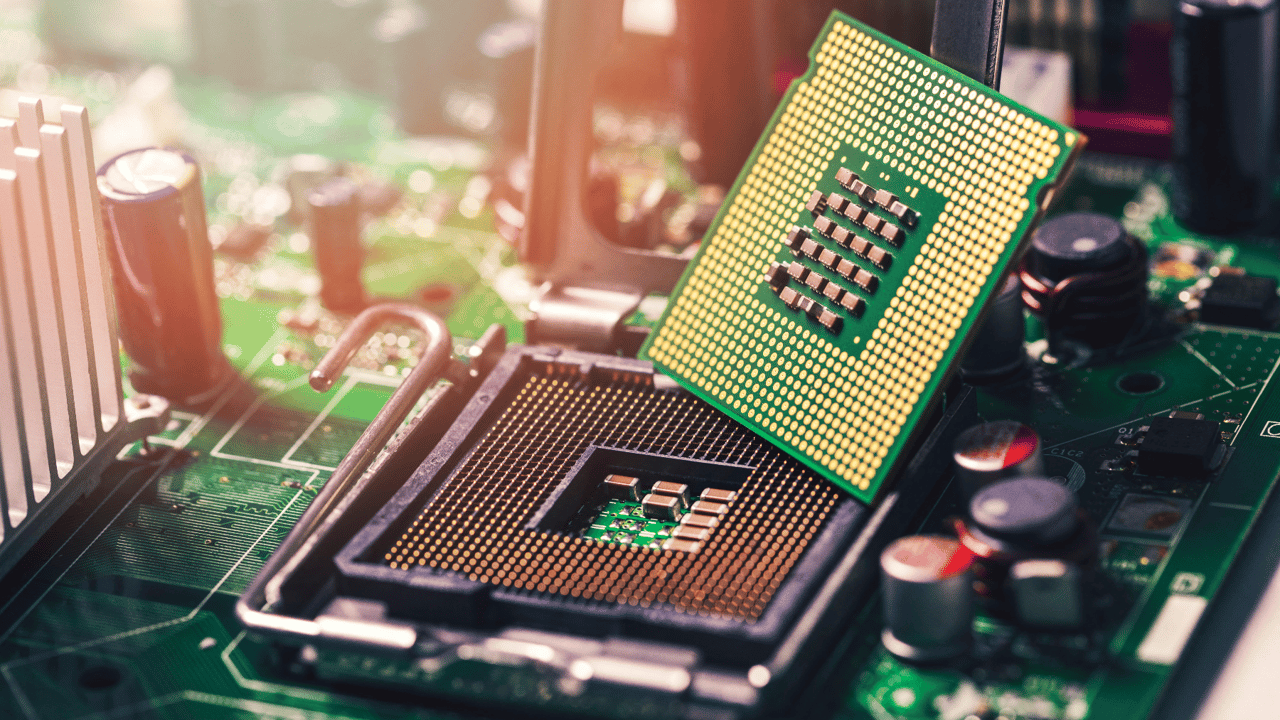
In recent years, the rapid advancement of artificial intelligence (AI) has driven significant demand for powerful computing resources. Traditionally, AI servers have relied heavily on x86 CPUs, which are ubiquitous in the computing industry. However, as the need for energy efficiency and sustainability grows, alternative CPU architectures such as ARM, RISC-V, and application-specific integrated circuits (ASICs) are gaining traction. These alternatives offer the potential to enhance performance and reduce environmental impact when paired with optimized software and workloads.
The x86 architecture, developed by Intel and now widely adopted by AMD, has long dominated the server market due to its versatility and extensive software support. Its compatibility with a wide range of operating systems and applications makes it a natural choice for many organizations. However, the energy consumption of x86 CPUs, particularly in data centers, has become a major concern. The push for sustainable computing and the increasing cost of electricity have spurred interest in alternatives that can deliver comparable or better performance while consuming less power.
ARM processors, known for their energy efficiency, are already making inroads in the server market. Companies like NVIDIA and Google have developed ARM-based systems for AI workloads, leveraging the architecture's ability to deliver high performance per watt. ARM's scalability and flexibility make it an attractive option for cloud providers and enterprises seeking to optimize their infrastructure. For instance, NVIDIA's Grace Hopper exascale supercomputer, which uses ARM-based processors, demonstrates the potential of these architectures in handling large-scale AI tasks.
RISC-V, an open-source instruction set architecture (ISA), is another emerging alternative. Its open-source nature allows for customization and adaptation to specific needs, making it a compelling choice for AI applications. RISC-V's flexibility and the ability to tailor it for energy efficiency have attracted attention from both academic and industrial sectors. Startups and established companies are exploring RISC-V-based solutions to create more sustainable and cost-effective AI systems.
ASICs, or application-specific integrated circuits, are another avenue for improving AI performance and energy efficiency. Unlike general-purpose CPUs, ASICs are designed specifically for particular tasks, such as deep learning inference. Companies like Google and NVIDIA have developed ASICs optimized for AI workloads, achieving remarkable energy efficiency and speed. These specialized chips can outperform traditional CPUs in specific scenarios, making them ideal for deploying AI models at scale.
However, the adoption of these alternative architectures is not without challenges. One significant hurdle is the need for software optimization. While x86 has a vast ecosystem of pre-existing software, ARM, RISC-V, and ASICs require tailored solutions to fully leverage their capabilities. This necessitates collaboration between hardware and software developers to create optimized frameworks and libraries.
Moreover, the transition from x86 to alternative architectures may face resistance due to compatibility and training issues. Organizations may need to invest in retraining their workforce to adapt to new systems, and there could be a learning curve associated with the new hardware. Additionally, the ecosystem around these architectures is still developing, which might limit the availability of support and tools.
Despite these challenges, the potential benefits of alternative CPU architectures for AI are significant. By improving energy efficiency and reducing the environmental footprint of AI systems, these technologies can contribute to a more sustainable computing landscape. As hardware and software developers continue to innovate, the landscape of AI computing is poised to evolve, with x86 likely remaining a key player alongside ARM, RISC-V, and ASICs. The future of AI will likely see a blend of these architectures, each serving different purposes and workloads, as the industry strives to balance performance, efficiency, and sustainability.









