Bennu sample reveals how water flowed through the newly forming asteroid
A team of US astronomers has carried out one of the deepest analyses to date of a sample from the asteroid Bennu, revealing new details about how water and organic material interacted during the earliest stages of the solar system.
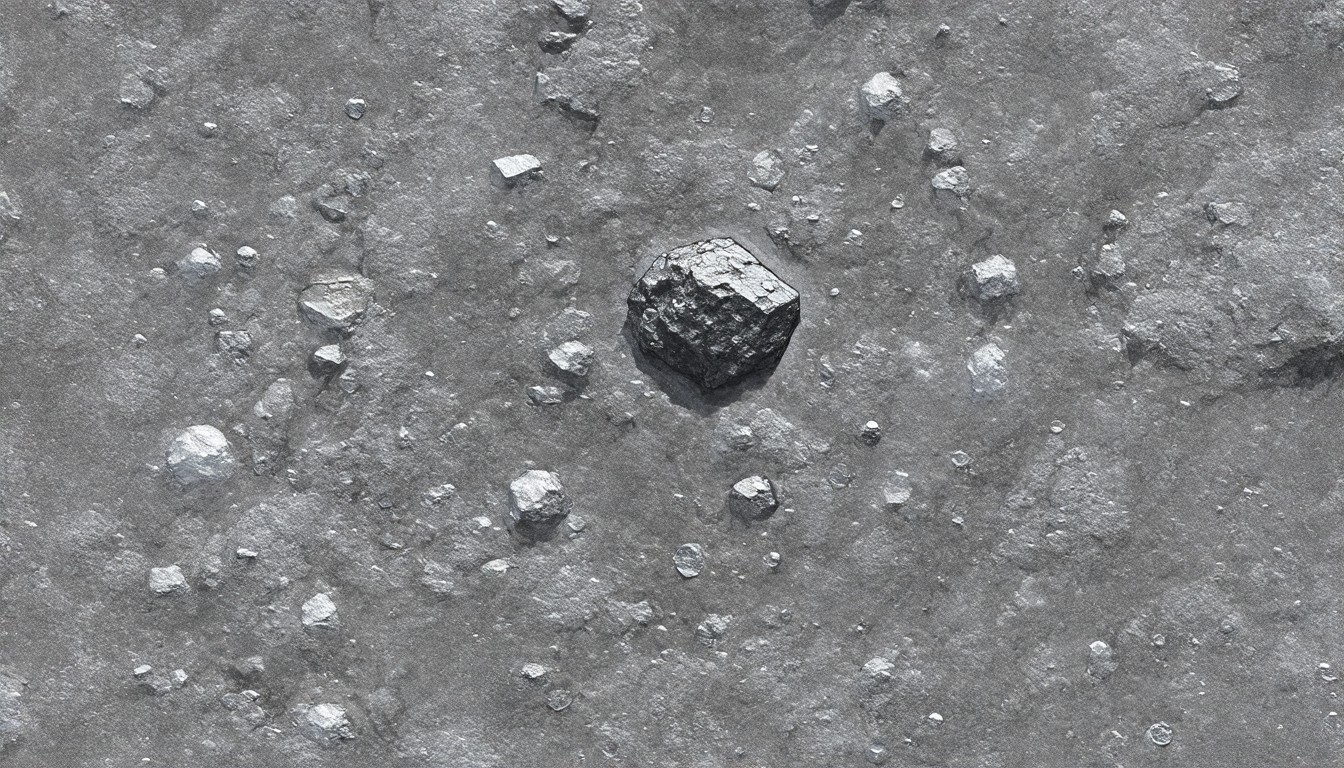
A team of US astronomers has recently conducted one of the most in-depth analyses to date of a sample from the asteroid Bennu, unveiling new insights into the interaction of water and organic material during the earliest stages of the solar system. This groundbreaking study, which delves into the formation of Bennu, a carbonaceous asteroid located in the asteroid belt between Mars and Jupiter, offers a unique glimpse into the conditions that shaped the early solar system.
The mission to study Bennu, known as the OSIRIS-REx mission, was launched by NASA in 2016 with the primary goal of collecting and returning samples to Earth for analysis. In September 2023, the spacecraft successfully delivered a small capsule containing particles from the asteroid's surface to the Utah Test and Training Range. Since then, scientists have been meticulously examining these samples, using advanced techniques to extract valuable information about Bennu's composition and history.
The recent analysis, conducted by researchers at the Arizona State University's School of Earth and Space Exploration, has focused on the interaction between water and organic material within the asteroid. Organic material, which is the building block of life as we know it, has been found in various forms in space, including on meteorites and in the atmospheres of planets. However, understanding how these organic compounds interacted with water during the early solar system remains a critical area of study.
Bennu's sample has revealed that water played a significant role in the asteroid's formation and evolution. The presence of hydrated minerals, such as clays and sulfates, suggests that water was abundant in the asteroid's early history. These minerals formed when water permeated the asteroid's surface and interacted with the underlying rocky material. The study also highlights the presence of organic-rich materials, indicating that organic compounds were likely present in the asteroid's early environment.
The interaction between water and organic material on Bennu provides valuable insights into the conditions that may have existed on the early Earth. Many scientists believe that carbonaceous asteroids like Bennu could have delivered water and organic material to the young Earth, contributing to the development of life. By studying Bennu, researchers are gaining a better understanding of the potential pathways through which these essential ingredients for life were delivered to our planet.
The findings from the Bennu sample analysis also have implications for the broader study of the solar system's history. The presence of hydrated minerals and organic material on Bennu suggests that water and organic compounds were more widespread in the early solar system than previously thought. This could challenge some existing models of planetary formation and the delivery of water to terrestrial planets.
In addition to its scientific significance, the Bennu sample analysis underscores the importance of space exploration in advancing our understanding of the universe. Missions like OSIRIS-REx are pivotal in collecting and returning samples from distant celestial bodies, enabling detailed laboratory studies that would be impossible to conduct in space. As we continue to explore the cosmos, the insights gained from missions such as OSIRIS-REx are not only enriching our knowledge of the solar system but also shedding light on the origins of life itself.
In conclusion, the recent analysis of the Bennu sample has provided a fascinating glimpse into the early solar system, revealing how water and organic material interacted during the formation of this asteroid. These findings not only deepen our understanding of Bennu's history but also offer valuable insights into the potential delivery of water and organic material to the early Earth. As we continue to explore the cosmos, missions like OSIRIS-REx are crucial in unraveling the mysteries of our celestial past and the origins of life.