Bengal SIR: The wall ECI built around electoral data and how we broke through it
The Election Commission of India conducted a Special Intensive Revision (SIR) of electoral rolls in West Bengal in 2025–26, an exercise it described as unprecedented. But when the final rolls... The post Bengal SIR: The wall ECI built around electoral data and how we broke through it appeared first on Alt News .
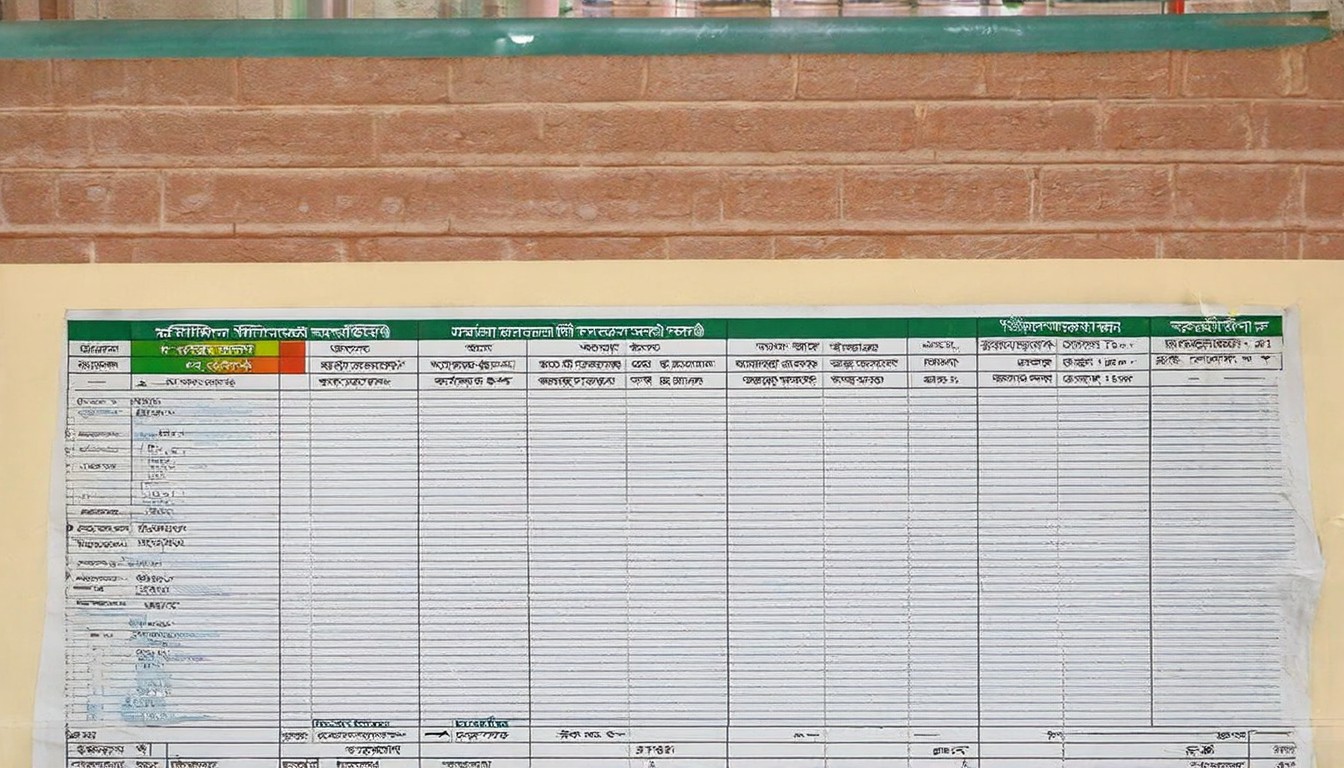
The Election Commission of India (ECI) conducted a Special Intensive Revision (SIR) of electoral rolls in West Bengal in 2025–26, an exercise it described as unprecedented. The SIR aimed to update and verify the electoral rolls, ensuring accurate voter data ahead of critical elections. However, when the final rolls were published, what emerged was not simply a dataset, but a barrier. The rolls were uploaded not as searchable, machine-readable files, but as scanned PDF images, which are effectively photographs of printed pages. These images cannot be searched or meaningfully analyzed. Every page resists scrutiny by design, which, in a moment of intense political contestation, raises a central question: who benefits when public data is made practically unusable?
The timing of this issue is significant. The SIR in West Bengal has been fiercely contested. Opposition parties, led on the ground by the Bengal chief minister Mamata Banerjee, have alleged large-scale discrepancies. They claim that voters from communities less likely to support the Bharatiya Janata Party were disproportionately targeted for deletion or placed under doubt. The controversy has extended to the institution itself. An impeachment notice against chief election commissioner Gyanesh Kumar was introduced on March 13, 2026, alleging partisan conduct. His appointment had already drawn criticism after a new law replaced the Chief Justice of India with a cabinet minister in the selection committee, effectively giving the ruling party a two-to-one majority. Against this backdrop, the format of the data becomes inseparable from the politics surrounding it.
To understand why this SIR is fundamentally different, one must begin with a category that did not exist in Indian electoral practice before 2026: “Logical Discrepancy.” The SIR required every voter to establish linkage to the 2002 electoral roll, either directly or through a relative. Voters were sorted into three groups: Mapped, Unmapped, and a newly introduced category: Logical Discrepancy. Voters in the Logical Discrepancy category were those whose linkage to the 2002 roll could not be verified through the usual means. This category was created to address situations where voters could not provide the necessary documents to prove their identity or address, leading to ambiguity in their eligibility.
The introduction of the Logical Discrepancy category raised concerns about the potential for manipulation. Critics argued that it could be used to disenfranchise voters who were politically inconvenient. The ECI defended the category, stating that it was a necessary tool to ensure the integrity of the electoral process. However, the opacity of the data released in PDF format made it impossible to independently verify the claims of manipulation or the accuracy of the Logical Discrepancy categorization.
Activists and researchers attempted to break through the barrier by converting the scanned PDFs into machine-readable formats. This involved using optical character recognition (OCR) software to extract text from the images. While this method was not perfect and required significant manual verification, it allowed limited analysis of the data. The findings indicated that the Logical Discrepancy category disproportionately affected certain communities and regions, raising further questions about the fairness of the SIR process.
The ECI's decision to release the data in an unsearchable format has been widely criticized. Advocates argue that transparency and accessibility are essential for public trust in electoral processes. They contend that the ECI's actions undermine the very purpose of the SIR, which was to ensure accurate and inclusive voter lists. Critics also point out that the format of the data release could have been a deliberate attempt to obscure potential irregularities, particularly given the political tensions surrounding the SIR.
The impeachment notice against Gyanesh Kumar further highlights the political stakes involved. Opponents of the Bharatiya Janata Party argue that the ECI's actions are part of a broader strategy to manipulate electoral outcomes. They cite the recent changes to the selection process for the chief election commissioner, which gave the ruling party a significant influence over the appointment. This, they argue, raises doubts about the independence and impartiality of the ECI.
In response to the criticism, the ECI has maintained that the SIR was conducted with the highest degree of integrity and that the data release format was a technical necessity. It has also stated that the Logical Discrepancy category was a temporary measure to address specific challenges faced during the SIR. However, the persistence of the PDF format and the lack of transparency have fueled skepticism among opposition parties and civil society groups.
The controversy surrounding the Bengal SIR and the ECI's handling of electoral data has become a focal point for debates about electoral integrity, transparency, and democracy in India. As the electoral process continues to evolve, the question of how to balance the need for accurate voter data with the imperative for public accountability remains unresolved. The ongoing dispute serves as a stark reminder of the challenges faced by democratic institutions in maintaining trust and ensuring fairness in an increasingly polarized political landscape.