Behind the Crisis in Israeli-Christian Relations
Once again, Israel’s government finds itself in damage-control mode over an unanticipated controversy around its policies toward Christians.
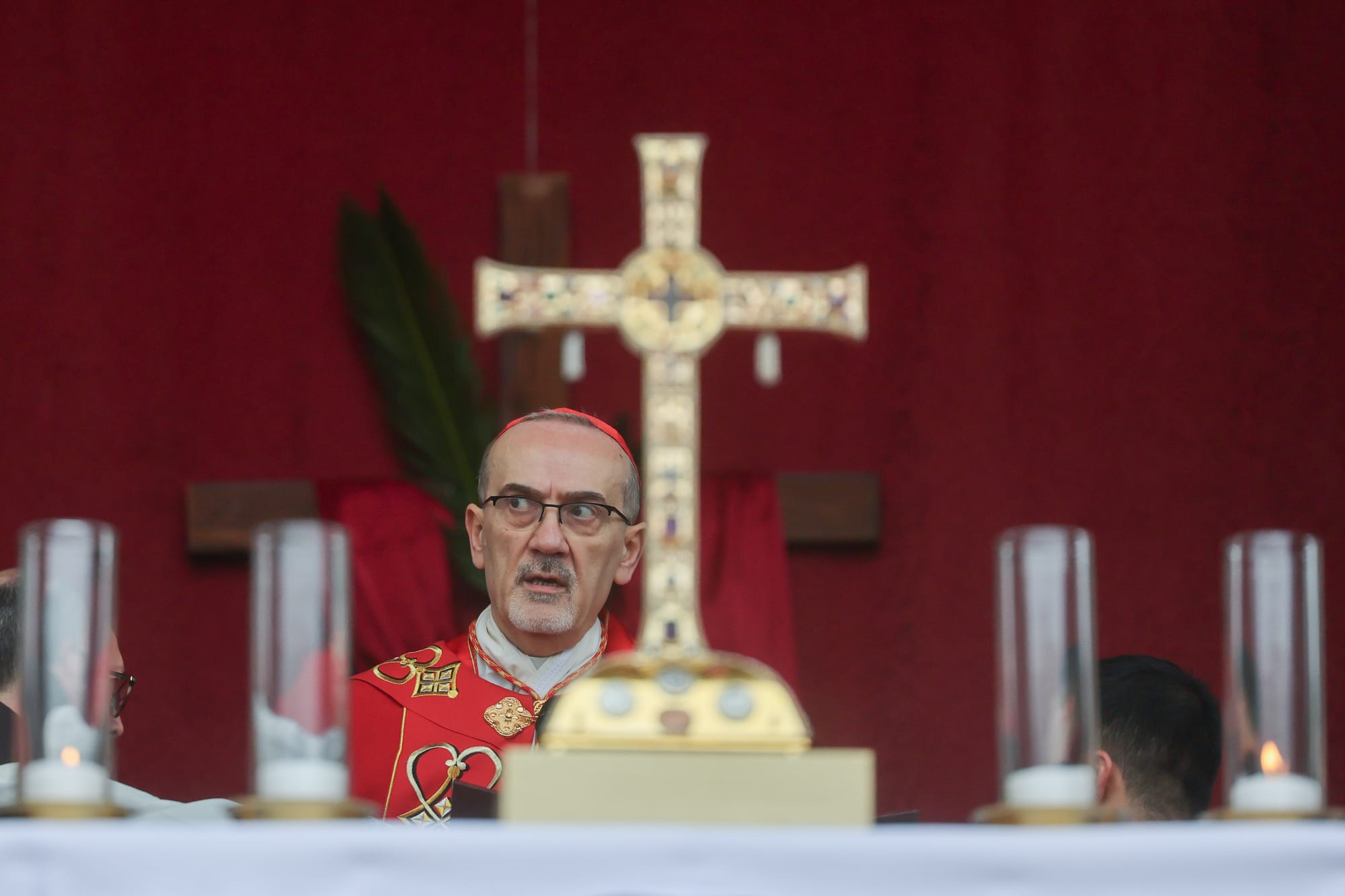
Israel's government is once again grappling with a crisis in its relations with Christian communities, as recent events have sparked international outrage and scrutiny. The latest flashpoint occurred on Sunday morning when Israeli police blocked the top two Catholic clergymen in the Holy Land, Latin Patriarch Cardinal Pierbattista Pizzaballa and Custos of the Holy Land Father Francesco Ielpo, from attending a small Palm Sunday Mass at the Church of the Holy Sepulchre.
The incident, which drew swift condemnation from allies like France's President Emmanuel Macron and Italy's Prime Minister Giorgia Meloni, has highlighted the delicate balance Israel must maintain in its dealings with Christian communities. The Israeli Foreign Ministry, known for its experienced diplomats who understand the importance of these relations, initially responded with a lack of clarity. Questions about the police action were referred to the police spokesperson, and it took nearly four hours for an official statement to be released. The police explained that they were merely complying with restrictions intended to protect the public from the threat of Iranian missiles.
However, by the time this explanation was issued, the international backlash had already gained momentum. Even longtime friends of Israel, such as U.S. envoy Mike Huckabee, expressed concern, with Huckabee describing the move as "difficult to understand or justify." Meanwhile, critics and those with anti-Zionist views have seized on the incident to amplify narratives about a perceived Jewish threat to Christian communities.
This latest controversy underscores the ongoing challenges Israel faces in managing its complex relationships with Christian groups. The country has a long history of navigating these dynamics, often balancing security concerns with the need to maintain goodwill among religious communities. However, incidents like the recent blockage of the clergymen have the potential to strain these relationships, particularly when they are perceived as insensitive or overly restrictive.
The international community's rapid condemnation of the incident highlights the sensitivity of the issue. For Israel, the stakes are high, as its relations with Christian communities are not only important for religious and cultural reasons but also for economic and diplomatic ties. The country has long been a significant destination for Christian pilgrims, and maintaining positive relations with religious leaders is crucial for both religious freedom and tourism.
The government's slow response to the initial criticism has only served to deepen the controversy. In the past, Israel has been criticized for similar actions, such as restricting access to holy sites or imposing limitations on religious practices. These incidents have often been met with international scrutiny and calls for greater transparency and sensitivity in Israeli policies.
As the crisis unfolds, it remains to be seen how Israel will address the concerns raised by its allies and critics. The government will likely need to demonstrate a commitment to transparency and a willingness to reevaluate its policies to prevent further damage to its relations with Christian communities. The stakes are high, as the well-being of religious minorities and the preservation of holy sites are not only important for the faith communities themselves but also for the broader regional stability and peace efforts.
In the aftermath of this latest controversy, it is clear that Israel must take a more proactive approach in managing its relationships with Christian groups. By doing so, the country can help mitigate future incidents and ensure that its security measures do not inadvertently harm the very communities it seeks to protect. The challenge lies in finding a delicate balance between safeguarding national security and upholding the values of religious freedom and tolerance. As the international community watches closely, Israel's ability to navigate these complex dynamics will be a critical factor in shaping its future relations with Christian communities and its broader standing on the global stage.