BBL recommends Thai businesses mull expansion to India
Bangkok Bank (BBL) is encouraging Thai businesses to expand into India to reduce their reliance on the US market amid rising geopolitical risk and escalating global trade tensions.
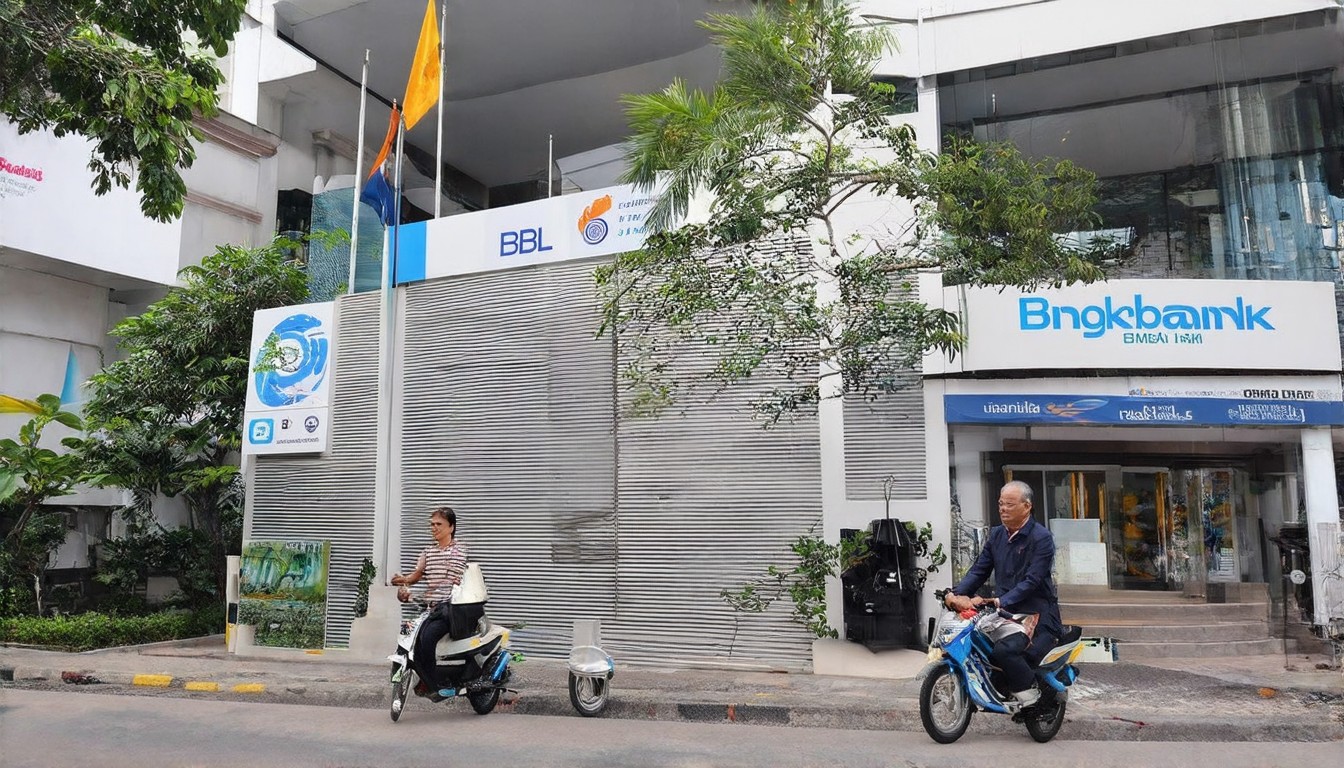
Bangkok Bank (BBL), one of Thailand's leading financial institutions, has recently advised Thai businesses to consider expanding their operations into India. This recommendation comes as a response to the increasing geopolitical risks and heightened global trade tensions, particularly with the United States. By diversifying their markets, Thai companies can reduce their dependence on the US, which has become a more volatile partner in recent years.
The move towards India is not without strategic rationale. India is the world's seventh-largest economy, with a rapidly growing middle class and a burgeoning consumer market. It is also a key player in the region, offering a strategic location for businesses looking to expand across South and Southeast Asia. Moreover, India has been actively promoting foreign investment through initiatives such as the Make in India program, which aims to boost manufacturing and infrastructure development.
The geopolitical risks in the US have been a growing concern for Thai businesses. The trade tensions between the US and China, which have indirectly affected Thailand, have led to a decline in export volumes. Additionally, the US's focus on domestic policies and protectionist measures, such as tariffs on imported goods, have made it more challenging for Thai companies to access the American market. In this context, India presents an attractive alternative, offering a stable and growing market that is less susceptible to the same kind of trade barriers.
Bangkok Bank's recommendation is part of a broader trend among Thai businesses. In recent years, many have been exploring new markets to mitigate the risks associated with their traditional partners. The diversification strategy is not only about reducing reliance on the US but also about capitalizing on opportunities in emerging markets. India, with its large population and growing economic clout, is seen as a promising destination for Thai companies looking to expand their global footprint.
However, the decision to expand into India is not without its challenges. Thai businesses will need to navigate a complex regulatory environment, cultural differences, and competition from local and multinational companies. They will also have to consider the logistical challenges of operating in a different geographical region. To succeed, Thai companies will need to conduct thorough market research, build strong local partnerships, and adapt their strategies to meet the specific needs of the Indian market.
Bangkok Bank's advice comes at a time when the global economic landscape is undergoing significant shifts. The rise of new trade blocs, such as the Regional Comprehensive Economic Partnership (RCEP), and the reevaluation of traditional trade relationships are prompting businesses to rethink their strategies. For Thai companies, the move into India could be a strategic opportunity to secure a foothold in a growing market and reduce their vulnerability to geopolitical risks.
In conclusion, Bangkok Bank's recommendation for Thai businesses to expand into India reflects a broader trend of diversification in the face of escalating global trade tensions and geopolitical uncertainties. While the move presents challenges, it also offers a pathway to growth and stability. As Thai companies explore new markets, they are not only adapting to changing economic conditions but also positioning themselves to take advantage of opportunities in a rapidly evolving global economy.