
Basic business class is here with new, stripped-down United Polaris fares
United is overhauling its fare classes, offering cheaper business class and premium economy fares that are more restrictive.
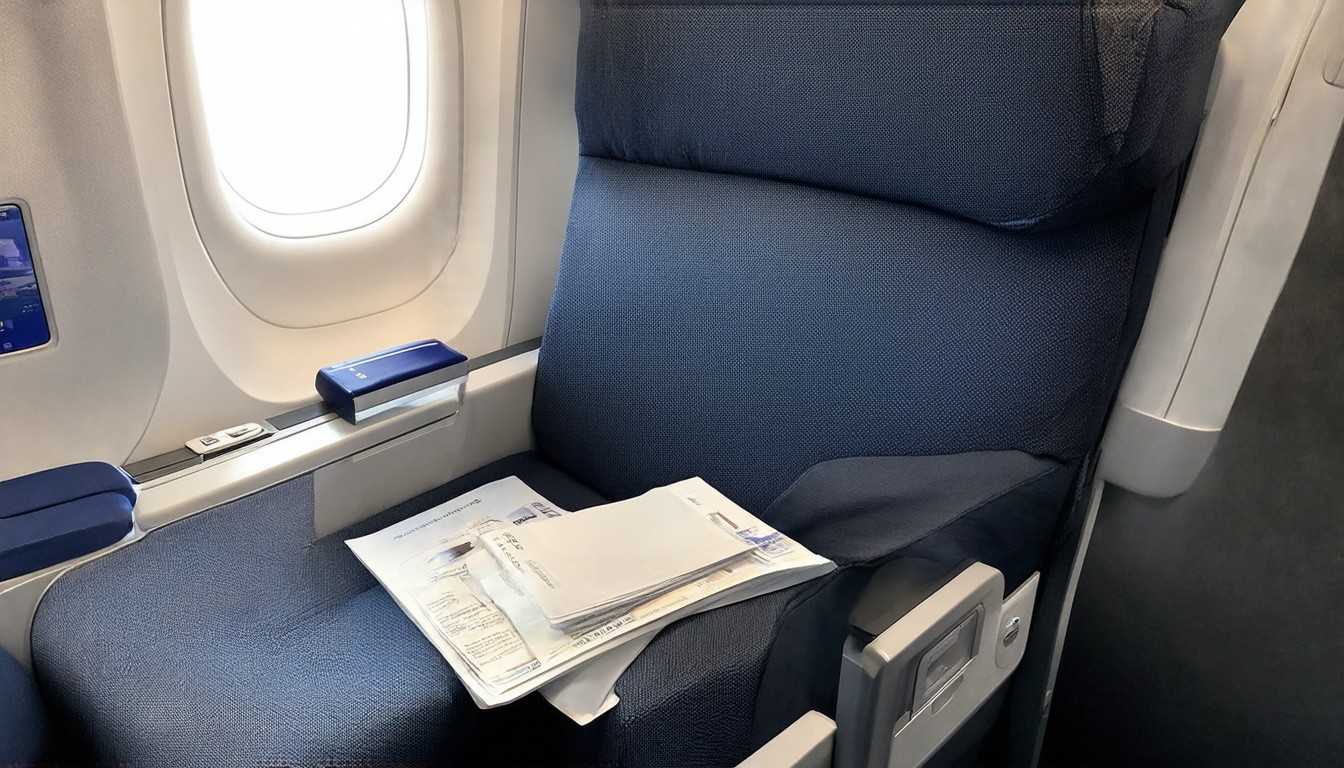
United Airlines is undergoing a significant transformation in its fare structure, introducing a new, more affordable business class and premium economy options that prioritize simplicity and cost-effectiveness. This move is part of the airline's broader strategy to make travel more accessible and appealing to a wider range of passengers.
The revamped business class, now referred to as "Basic Business Class," is designed to offer a more budget-friendly alternative to traditional business travel. This new fare class will include a range of amenities that are tailored to meet the needs of passengers who prioritize affordability without compromising on essential comforts. While the specific details of the amenities are yet to be finalized, United has indicated that the focus will be on providing a streamlined experience that includes a comfortable seat, meals, and entertainment options at a significantly lower cost compared to traditional business class.
In addition to the new Basic Business Class, United is also introducing a premium economy fare that aims to bridge the gap between economy and business class. This new option will offer enhanced comfort features such as more legroom, improved seating, and better meal options, all at a price point that is more competitive than traditional business class. The airline's goal with this new premium economy fare is to attract passengers who are looking for a more comfortable travel experience without the high cost associated with traditional business class.
The introduction of these stripped-down fare classes is part of a broader trend in the airline industry, where airlines are increasingly focusing on offering value-for-money options to cater to the diverse needs of travelers. With the rise of budget airlines and the growing demand for affordable travel, United is taking a strategic approach to remain competitive in the market.
The overhaul of fare classes is expected to have a significant impact on the airline's revenue structure. By offering more affordable options, United hopes to attract a larger number of passengers who might otherwise opt for budget airlines or economy class travel. This shift in strategy could also lead to increased loyalty among existing customers who are looking for more cost-effective travel options.
However, the introduction of these new fare classes is not without its challenges. Some passengers may be concerned about the reduced level of service and amenities associated with the more affordable options. United has acknowledged these concerns and is working to ensure that the new fare classes still provide a satisfactory travel experience. The airline is also likely to face competition from other airlines that are similarly adapting their fare structures to meet the changing demands of the market.
In conclusion, United Airlines' decision to overhaul its fare classes and introduce Basic Business Class and premium economy options is a strategic move aimed at making travel more accessible and affordable. While the specifics of these new fare classes are still being finalized, the airline's commitment to offering value-for-money options is clear. As the airline industry continues to evolve, United's new fare structure is expected to play a significant role in shaping the future of air travel.









