
‘BAPS Temple’ Row: Guardian Report, Legal Closure, and the Debate Over Allegations
The controversy surrounding the BAPS Temple in New Jersey has once again resurfaced after a recent international media report revived allegations related to worker exploitation, despite earlier legal developments in the United States. The issue highlights the complex intersection of media narratives, legal findings, and public perception surrounding the BAPS Temple, one of the largest […] The post ‘BAPS Temple’ Row: Guardian Report, Legal Closure, and the Debate Over Allegations appeared first on Tfipost.com .
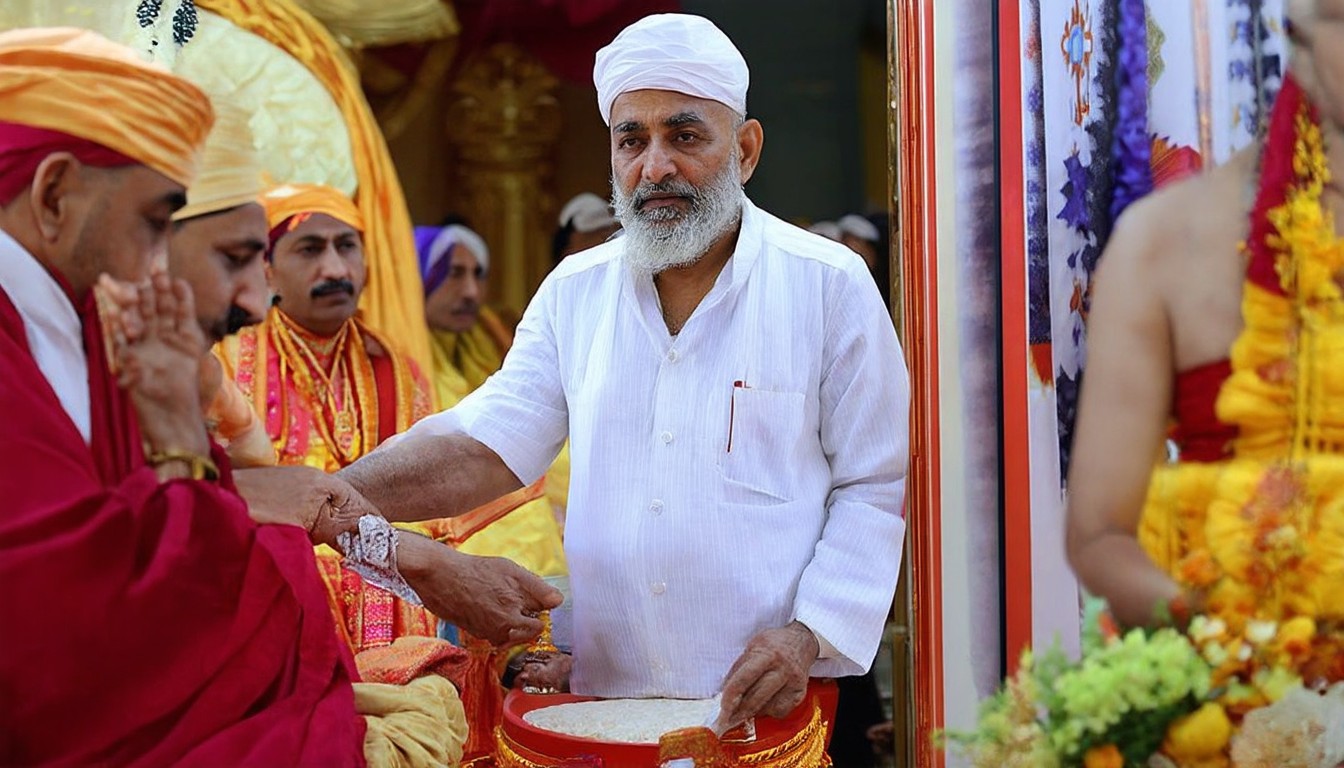
The controversy surrounding the BAPS Temple in New Jersey has once again resurfaced after a recent international media report revived allegations related to worker exploitation, despite earlier legal developments in the United States. The issue highlights the complex intersection of media narratives, legal findings, and public perception surrounding the BAPS Temple, one of the largest Hindu religious complexes outside India.
The BAPS Temple, formally known as the Swaminarayan Akshardham complex in Robbinsville, New Jersey, is a monumental structure built between 2015 and 2023. It stands as the largest Hindu mandir in the Western Hemisphere and a significant symbol of Indian cultural and spiritual presence abroad. However, since its construction, the temple has been entangled in controversy due to allegations made in a 2021 lawsuit filed by a group of workers.
The renewed debate stems from a recent report by The Guardian, which revisited earlier claims that workers involved in building the BAPS Temple faced issues such as labor exploitation, unsafe working conditions, and medical neglect. The report also referenced cases of serious illnesses, including silicosis, allegedly linked to prolonged exposure to construction materials. These claims have been widely circulated, reigniting scrutiny over the conditions under which the BAPS Temple was constructed.
The allegations in the 2021 lawsuit claimed that over 200 workers, many reportedly from marginalized backgrounds in India, were subjected to exploitative practices. Workers alleged that they were promised jobs in the United States but found themselves trapped in a cycle of debt and forced labor. They reported being paid below minimum wage, working long hours in dangerous conditions, and facing barriers to leaving their employment.
The renewed attention to these allegations came after The Guardian published an article detailing the workers' experiences and the legal battles they have waged. The report highlighted the challenges faced by the plaintiffs, including the difficulty of obtaining evidence and the lack of support from the U.S. authorities. It also discussed the broader implications of the case, questioning the role of religious institutions in labor practices and the responsibility of organizations to ensure the welfare of their workers.
However, a key aspect of the controversy lies in the legal outcome of investigations conducted in the United States. The U.S. Department of Justice (DOJ), which had initiated a probe into allegations of forced labor and discrimination, ultimately closed the case without filing any charges or establishing wrongdoing against the organization. This closure has been cited by supporters of the temple as a crucial fact that challenges the credibility of ongoing allegations surrounding the BAPS Temple.
The DOJ's decision to close the case was based on a thorough investigation that did not find sufficient evidence to support the allegations. The agency stated that it had reviewed extensive records, conducted interviews, and analyzed the available information. Despite this, the plaintiffs in the original lawsuit argued that the DOJ's decision did not absolve the temple of responsibility, as the case was not about proving guilt but about addressing the workers' grievances.
The legal closure of the case has not silenced the debate over the BAPS Temple's construction. Critics argue that the DOJ's decision was influenced by the temple's prominence and the potential impact on U.S.-India relations. They contend that the case highlights systemic issues in labor rights and the challenges faced by marginalized workers in the construction industry.
On the other hand, supporters of the BAPS Temple emphasize the temple's cultural and spiritual significance and its role in promoting interfaith dialogue and understanding. They argue that the allegations are politically motivated and that the temple has always prioritized the welfare of its workers. They point to the temple's contributions to the local community, including charitable activities and educational programs, as evidence of its positive impact.
The controversy surrounding the BAPS Temple underscores the complex interplay between media narratives, legal findings, and public perception. While The Guardian's report has reignited the debate over worker exploitation, the legal closure of the case by the DOJ has provided a counter-narrative that questions the validity of the allegations. The ongoing debate serves as a reminder of the need for careful examination of both sides of the story and the importance of ensuring fair labor practices in the construction of significant cultural and religious institutions.
In the end, the BAPS Temple case highlights the challenges of balancing cultural and spiritual aspirations with labor rights and worker welfare. It serves as a cautionary tale about the potential consequences of exploiting workers in the name of religious or cultural projects. As the debate continues, it is essential to maintain an open dialogue, grounded in factual evidence and respect for all parties involved. Only through such a dialogue can the complexities of the BAPS Temple controversy be fully understood and addressed.








