
Banks’ exposure to real estate lowest in 7 years
The exposure of Philippine banks and trust entities to the volatile property sector dropped to a seven-year low of 18.93 percent in 2025, data from the Bangko Sentral ng Pilipinas showed.
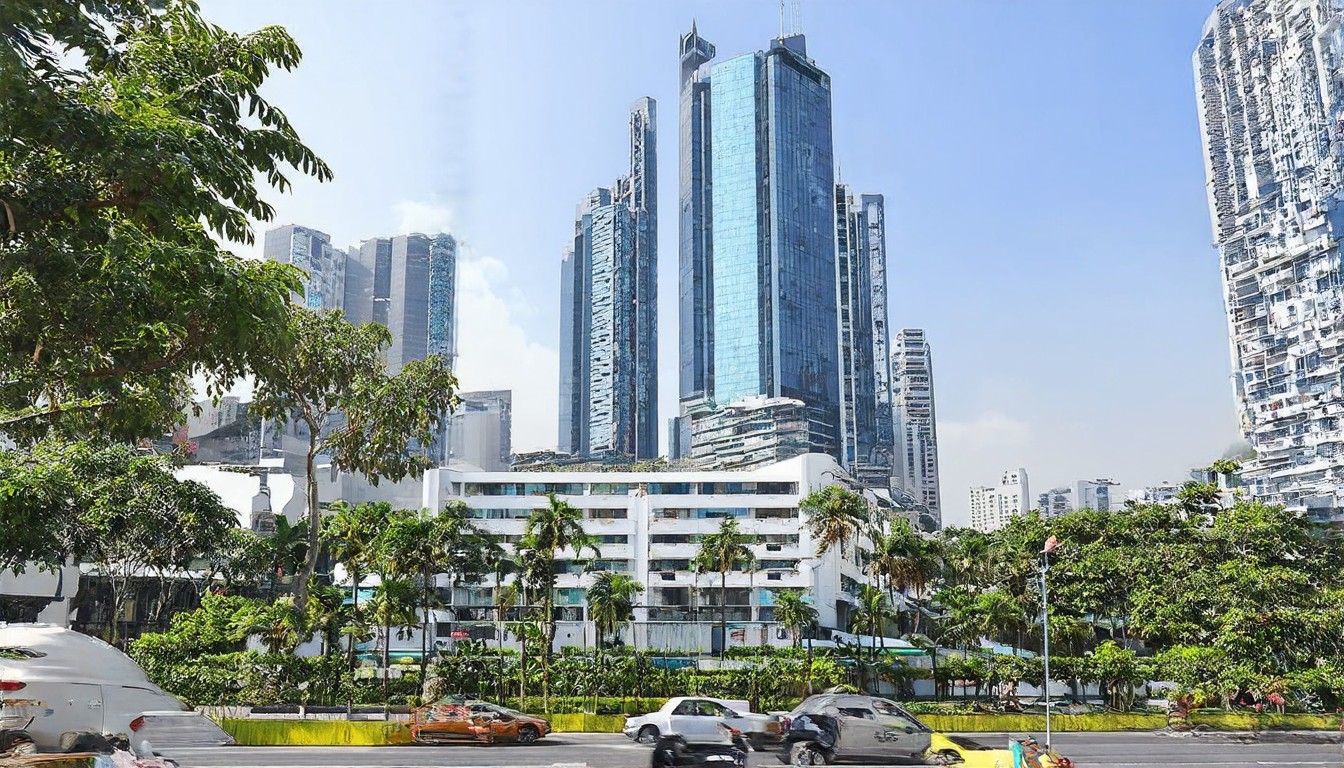
The exposure of Philippine banks and trust entities to the volatile property sector has dropped to a seven-year low of 18.93 percent in 2025, according to data released by the Bangko Sentral ng Pilipinas. This significant decline marks a notable improvement in the financial stability of the banking sector, which has long been vulnerable to fluctuations in the real estate market.
Over the past decade, the property sector has been a major concern for the banking industry in the Philippines, with banks heavily invested in real estate-related loans and securities. This exposure posed risks during periods of market volatatility, as seen in the 2018-2019 downturn when property values and loan defaults increased. The 2025 data indicates that banks have managed to reduce their risk exposure, likely due to a combination of factors, including stricter lending standards, improved credit assessments, and a more cautious approach to real estate investments.
One of the key drivers behind this reduction in exposure has been the implementation of the Bangko Sentral ng Pilipinas' (BSP) regulatory measures. The central bank has been actively monitoring the banking sector's real estate exposure and has introduced policies to encourage banks to diversify their portfolios and reduce reliance on the property market. These measures include the imposition of capital conservation buffers and the introduction of the Real Estate Exposure Framework, which requires banks to report their real estate-related exposures and implement risk management strategies.
Another factor contributing to the decline in exposure is the overall improvement in the property market. The Philippines has experienced a steady recovery in the real estate sector since 2020, with increased demand driven by both domestic and foreign investors. This recovery has led to more stable property values and reduced the perceived risk associated with real estate investments. Additionally, the government's efforts to stimulate the economy through infrastructure development and housing programs have further bolstered investor confidence in the property market.
Despite the reduction in exposure, the property sector remains a significant component of the banking sector's portfolio. The 18.93 percent figure still represents a substantial portion of banks' total exposures, highlighting the need for continued vigilance and risk management. Banks must continue to monitor market conditions and implement robust risk management strategies to mitigate potential risks.
The decline in real estate exposure also reflects a broader trend of banks diversifying their portfolios to reduce reliance on a single sector. With the property market no longer dominating their lending activities, banks are increasingly focusing on other areas such as consumer loans, small and medium-sized enterprises, and infrastructure projects. This diversification not only helps to spread risk but also enables banks to tap into new growth opportunities and support economic development.
In conclusion, the seven-year low in Philippine banks' exposure to the real estate sector in 2025 is a positive development for the financial stability of the banking industry. The reduction in exposure is a result of regulatory measures, improved market conditions, and banks' proactive efforts to diversify their portfolios. While the property sector remains a significant component of banks' exposures, the trend towards diversification and risk management is a welcome development that supports the overall health of the financial system. As the Philippines continues to navigate economic challenges and opportunities, the banking sector's ability to adapt and manage risks will be crucial in ensuring sustainable growth and stability.









