
Bangladesh says suspected measles outbreak kills about 100 children
Dhaka has ramped up vaccination efforts in the worst-affected areas.
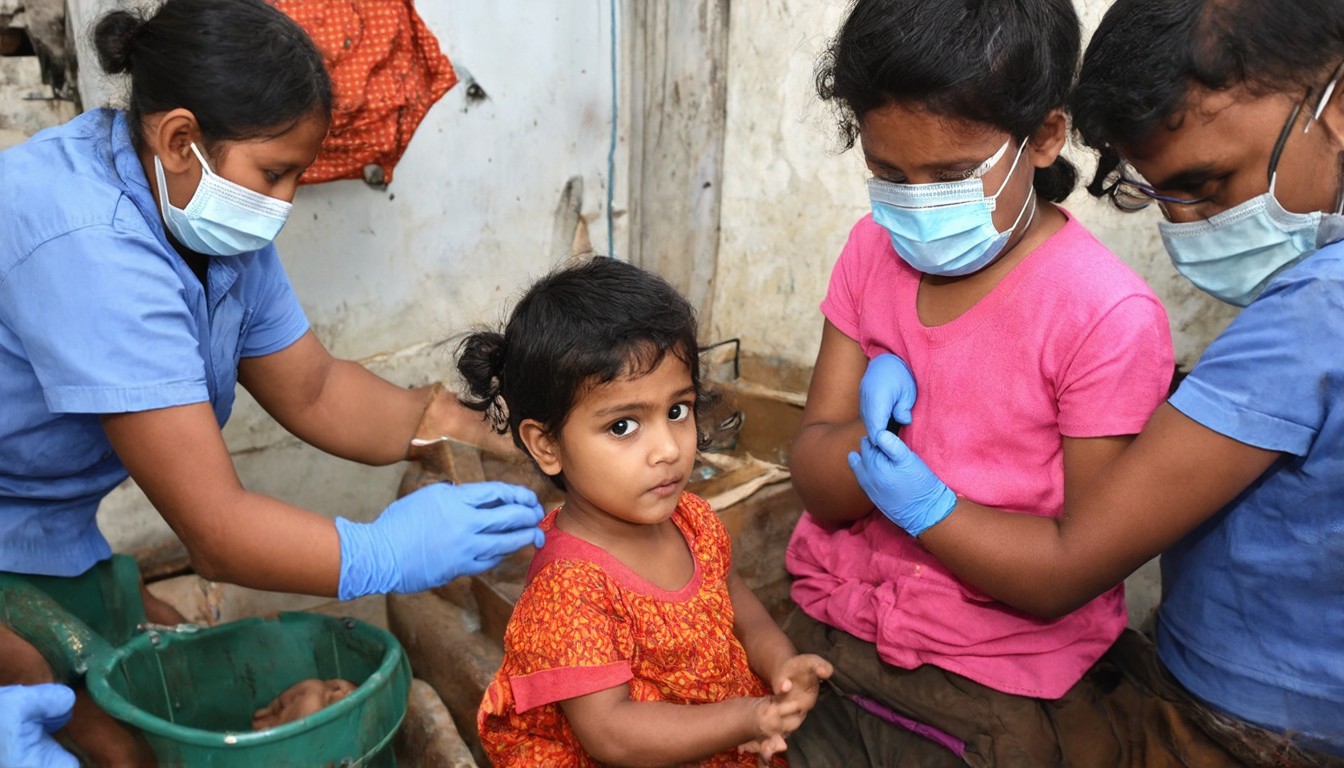
Bangladesh has reported a suspected measles outbreak that has claimed the lives of approximately 100 children, prompting urgent public health responses and heightened concerns about the country's vaccination coverage. The government has quickly mobilized resources to combat the outbreak, focusing on the worst-affected regions to prevent further spread and minimize the death toll.
The measles outbreak, which has been identified in several districts across the country, has been linked to low vaccination rates and insufficient immunization efforts. Measles is a highly contagious disease that can lead to severe complications, particularly in young children and those with weakened immune systems. The World Health Organization (WHO) has classified measles as a global health emergency, emphasizing the need for concerted international efforts to eradicate the disease.
In response to the outbreak, the Bangladeshi government has intensified vaccination campaigns in the affected areas. Health officials have been working around the clock to administer the MMR (measles, mumps, and rubella) vaccine to children, aiming to protect vulnerable populations and curb the transmission of the virus. These efforts are particularly crucial in regions with limited healthcare infrastructure and where access to vaccines may be restricted.
The government's decision to prioritize vaccination in the worst-hit districts reflects a concerted effort to mitigate the impact of the outbreak. Health workers have been deployed to remote and underserved areas, where vaccination rates have historically been low. By reaching these communities, authorities hope to build herd immunity, reducing the risk of further infections and deaths.
However, the situation remains challenging due to logistical hurdles and limited resources. Many families in Bangladesh struggle with poverty and lack of awareness about the importance of vaccination. This has led to a reliance on alternative medicine and hesitancy to seek conventional healthcare services. Efforts to educate communities about the benefits of vaccination are critical in addressing these barriers and encouraging broader participation in immunization programs.
The Bangladeshi Ministry of Health and Family Welfare has collaborated with international organizations, including the WHO and UNICEF, to support the response to the measles outbreak. These partnerships provide technical assistance, financial support, and access to additional vaccines, ensuring that the country can effectively manage the crisis.
Despite the challenges, officials remain optimistic about containing the outbreak. They emphasize the importance of continued vigilance and sustained vaccination efforts to prevent future cases. The government has pledged to invest in healthcare infrastructure and improve public health education to strengthen the nation's ability to respond to future health emergencies.
The measles outbreak in Bangladesh underscores the ongoing battle against preventable diseases. While progress has been made in recent years, the global community must remain committed to achieving measles eradication. By working together, governments, healthcare professionals, and communities can protect children's lives and ensure a healthier future for all.








