
Bangladesh launches emergency vaccination campaign as measles outbreak spreads
Official figures show there have been 17 confirmed deaths so far, with more than 7,500 suspected infections.
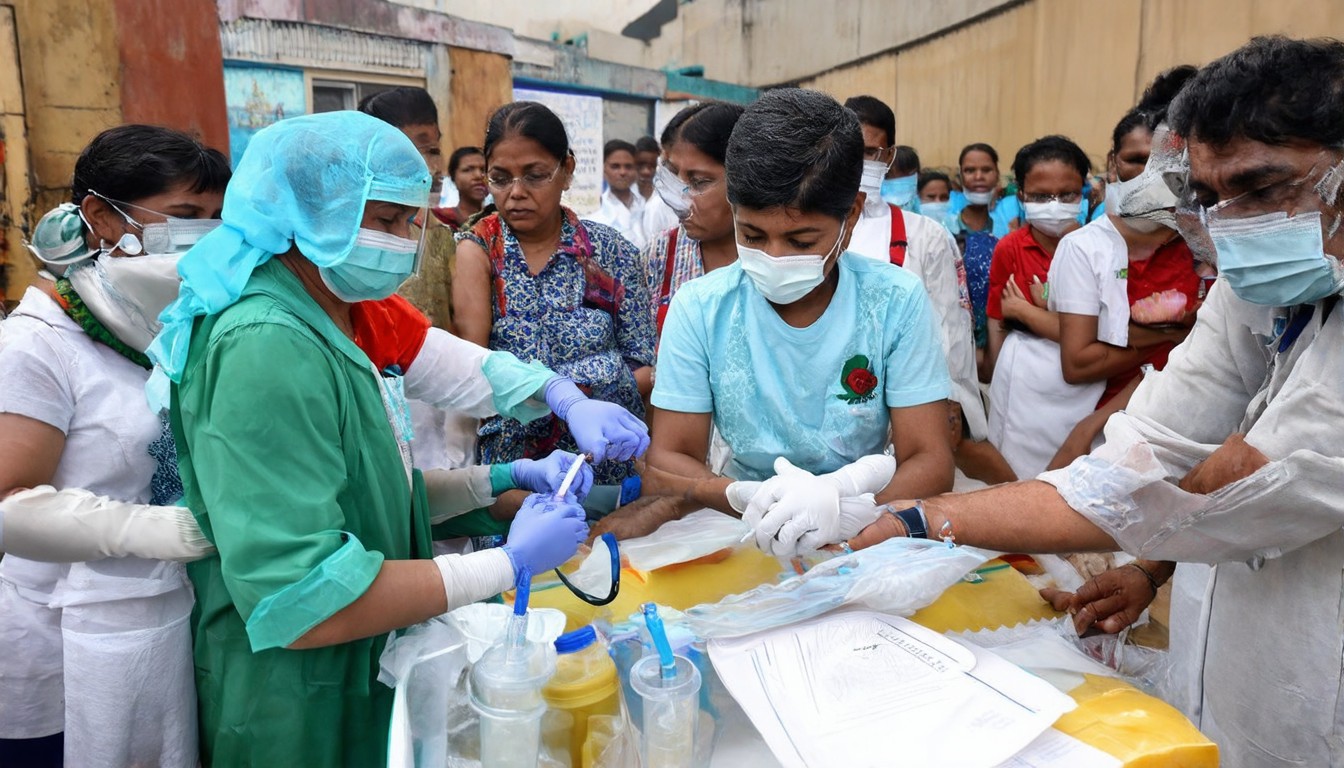
Bangladesh has launched an emergency vaccination campaign in response to a rapidly spreading measles outbreak that has already claimed 17 lives and infected more than 7,500 people. The government has mobilized its healthcare system to ensure widespread immunization efforts, as the disease continues to spread across the country.
The outbreak, which began in early 2023, has been particularly severe in densely populated urban areas and rural regions with limited access to healthcare facilities. Health officials have attributed the rapid transmission to low vaccination rates and the disruption caused by the COVID-19 pandemic, which led to a temporary halt in routine immunization programs.
In an effort to contain the outbreak, the Bangladeshi government has partnered with international health organizations, including the World Health Organization (WHO) and UNICEF, to procure and distribute large quantities of measles vaccines. The emergency campaign has been launched in all 64 districts of the country, with a focus on high-risk populations, including children under the age of five and pregnant women.
Health authorities have also stepped up public awareness efforts, using radio, television, and social media to educate the public about the importance of vaccination and the symptoms of measles. Community health workers have been deployed to provide direct outreach and encourage families to seek vaccination services.
Despite these efforts, the measles outbreak continues to pose a significant challenge to Bangladesh's healthcare system. The country has a long history of measles outbreaks, with previous epidemics leading to thousands of deaths and infections. The current situation has raised concerns about the long-term impact on the nation's health infrastructure and the potential for further complications due to the ongoing COVID-19 pandemic.
The government has pledged to allocate additional resources to strengthen its immunization program and improve the overall health of its citizens. This includes investing in training for healthcare workers, expanding vaccine storage facilities, and improving data collection systems to better monitor disease outbreaks.
The measles outbreak in Bangladesh highlights the importance of maintaining robust immunization programs and the need for continued international support. As the country works to contain the current crisis, the global community must remain vigilant and committed to eradicating measles worldwide.
In the face of this public health emergency, Bangladesh's healthcare workers and volunteers are working tirelessly to protect the most vulnerable members of society. The success of the emergency vaccination campaign will depend on the cooperation of the government, healthcare providers, and the broader community. With a concerted effort, Bangladesh can overcome this challenge and prevent further devastation from the measles outbreak.








