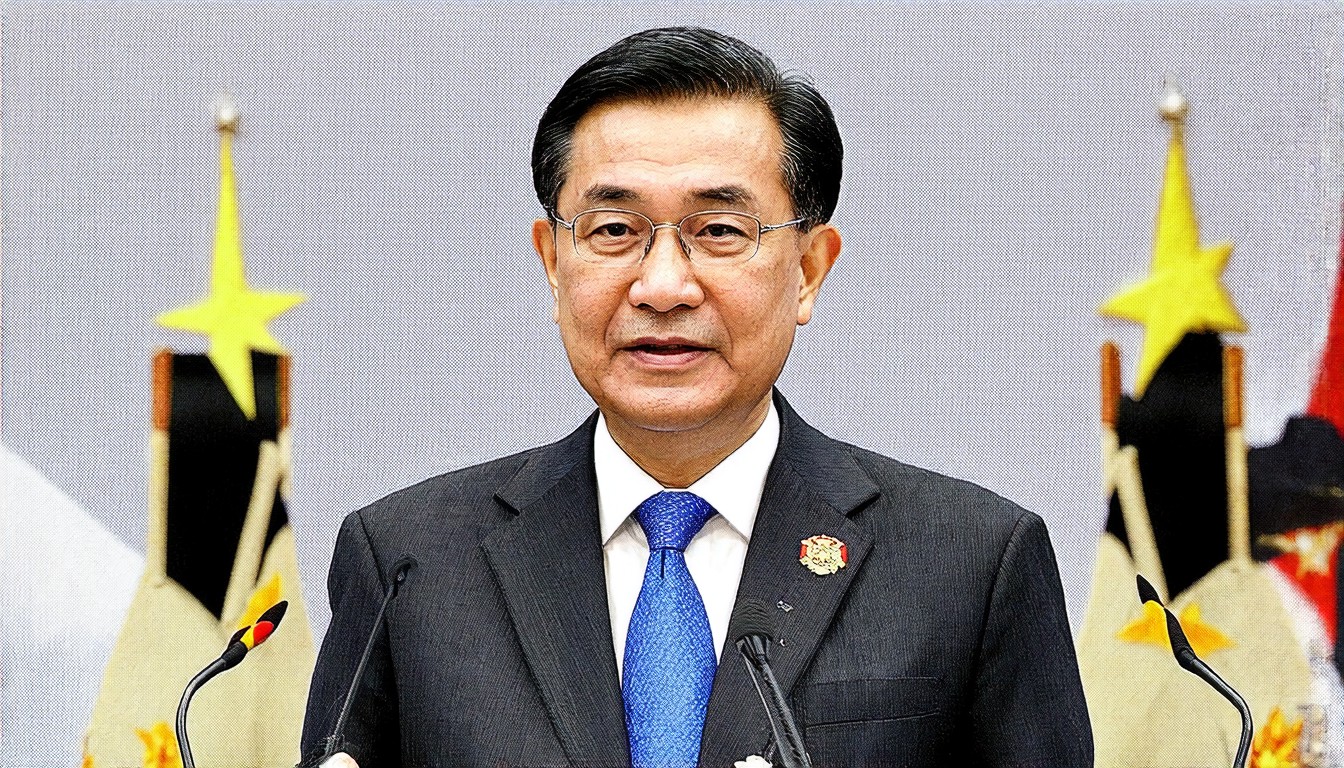
Bangladesh Foreign Minister Khalilur Rahman Set For High-Stakes Delhi Mission | Exclusive Details
During his stay, Khalilur Rahman is slated to hold intensive one-on-one deliberations with his Indian counterpart, Dr S Jaishankar, and National Security Adviser (NSA) Ajit Doval
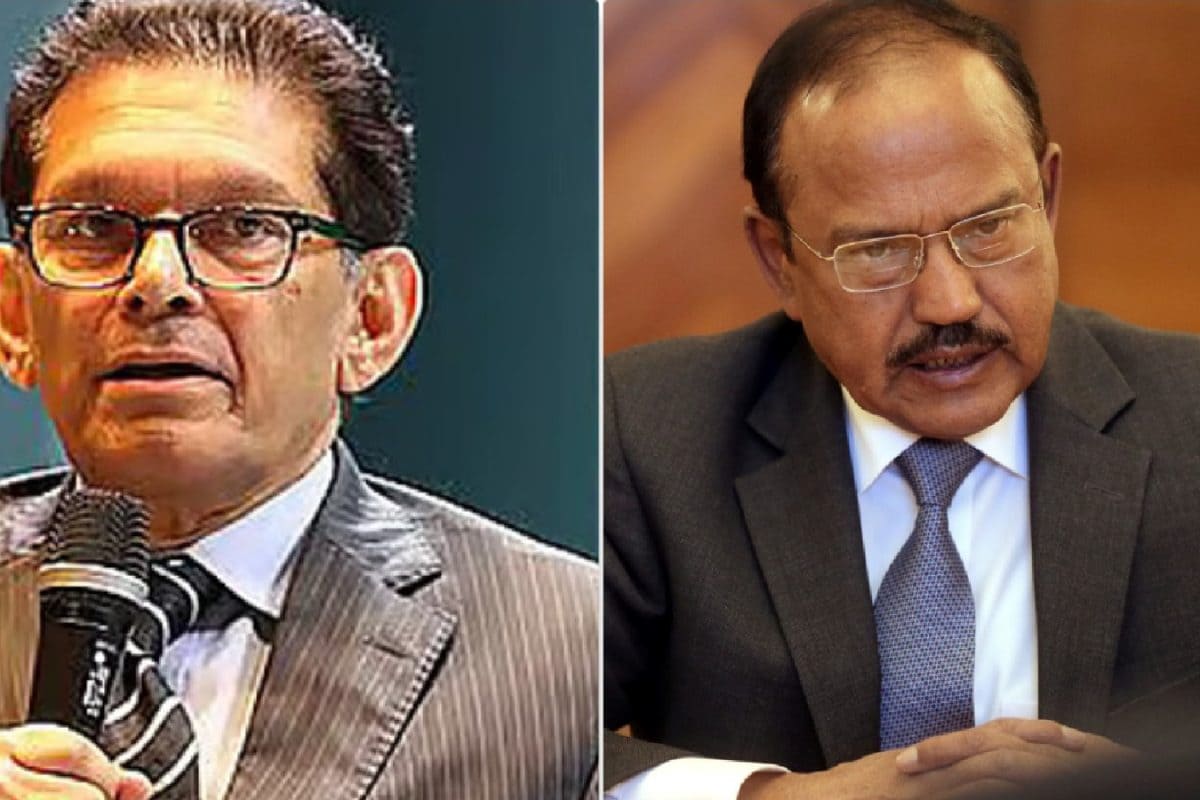
Bangladesh Foreign Minister Khalilur Rahman is set to embark on a high-stakes diplomatic mission to Delhi, where he will engage in intensive one-on-one deliberations with his Indian counterpart, Dr. S. Jaishankar, and National Security Adviser (NSA) Ajit Doval. This visit, which has been meticulously planned, is expected to address a range of critical bilateral and regional issues, including border security, economic cooperation, and the ongoing insurgency in Bangladesh's Cox's Bazar region.
The visit comes at a time when India and Bangladesh are navigating a complex geopolitical landscape, marked by both challenges and opportunities. The two nations, which share a 4,096-kilometer border, have long been strategic partners, but recent tensions over border disputes and security concerns have heightened the urgency of this meeting.
In recent years, the border between India and Bangladesh has become a focal point of contention, with both countries laying claim to disputed territories in the northeastern Indian state of Assam and the Chittagong Hill Tracts in Bangladesh. These disputes have occasionally escalated into violent clashes, resulting in loss of life and displacement of civilians. The upcoming talks between Rahman and Jaishankar are expected to explore potential avenues for resolving these disputes through diplomatic channels.
Economic cooperation is another key area of focus for the two nations. India, as the largest trading partner of Bangladesh, plays a pivotal role in the country's economic growth. The visit provides an opportunity for both sides to discuss ways to further strengthen their economic ties, particularly in sectors such as infrastructure development, energy, and technology.
The insurgency in Cox's Bazar, a region bordering India, has also been a significant concern for Bangladesh. The Rohingya crisis, which began in 2015, has led to a massive refugee influx into Bangladesh, straining the country's resources and security apparatus. The ongoing insurgency by local militant groups, which has been linked to India, has further complicated the situation. The upcoming discussions between Rahman and Jaishankar are expected to address these security concerns and explore collaborative efforts to ensure regional stability.
In addition to these issues, the visit also coincides with the broader geopolitical context of the Indo-Pacific region. Both India and Bangladesh are part of the growing Quadrilateral Security Dialogue (Quad) group, which includes the United States and Australia. The talks in Delhi are likely to touch upon regional security challenges, including the rise of China and the need for collective action to address threats to maritime security and freedom of navigation.
The visit of Bangladesh's Foreign Minister to India is a testament to the importance of bilateral diplomacy in managing the complexities of the modern world. As the two nations grapple with a range of interconnected issues, the upcoming deliberations between Rahman, Jaishankar, and Doval hold the potential to shape the trajectory of India-Bangladesh relations in the years to come.
The exact details of the discussions remain shrouded in secrecy, but it is clear that the stakes are high. The success of this mission will depend on the ability of both sides to navigate their differences constructively and find common ground on the issues that matter most. With the world watching, the upcoming talks in Delhi are poised to set the stage for a new chapter in the long and evolving relationship between India and Bangladesh.
In conclusion, the upcoming visit of Bangladesh's Foreign Minister Khalilur Rahman to Delhi is a pivotal moment in the bilateral relationship between the two nations. The intensive one-on-one deliberations with Dr. S. Jaishankar and Ajit Doval are expected to address a range of critical issues, from border security and economic cooperation to regional stability and the broader geopolitical landscape. As the world continues to face complex challenges, the ability of India and Bangladesh to work together constructively will be crucial in shaping a more secure and prosperous future for the region and beyond.