Bangladesh aims to vaccinate over 1 million children as fatal measles outbreak spreads
Bangladesh has launched an emergency vaccination campaign targeting more than a million children as a fast-spreading measles outbreak sweeps across the country. Health ministry figures show there have been 17 confirmed deaths from measles so far, with 113 suspected deaths and more than 7,500 suspected infections nationwide. The campaign, led by the health ministry with support from Unicef, the World Health Organization and Gavi, the Vaccine Alliance, began in 18 high-risk districts,...
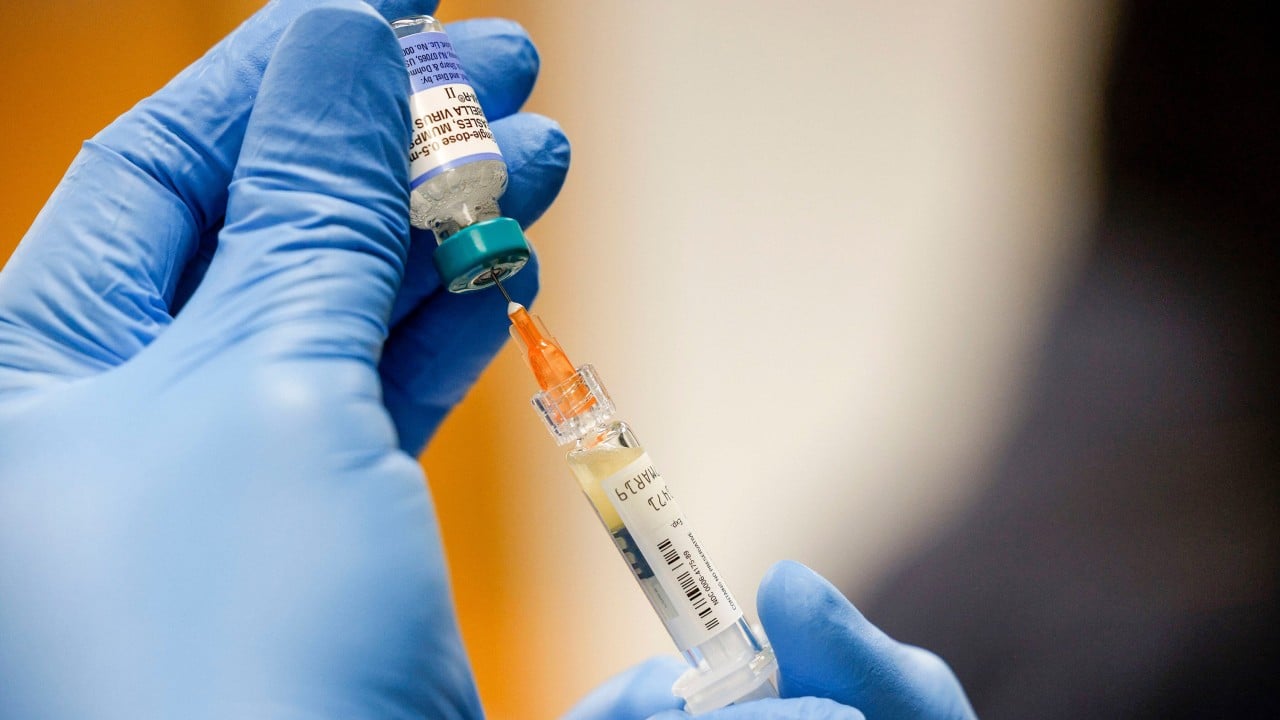
Bangladesh is racing against time to contain a deadly measles outbreak that has already claimed the lives of 17 children and left thousands more infected. In a bid to curb the spread of the disease, the country has launched an emergency vaccination campaign targeting over a million children across 18 high-risk districts. The move comes as health ministry officials warn that the outbreak, which has already resulted in 113 suspected deaths and over 7,500 suspected infections nationwide, is spreading rapidly.
The vaccination drive, spearheaded by the Bangladesh Ministry of Health and Family Welfare, is receiving critical support from international organizations such as Unicef, the World Health Organization (WHO), and Gavi, the Vaccine Alliance. These partners are working closely with local health authorities to ensure that the campaign reaches the most vulnerable populations, particularly in rural areas where access to healthcare facilities is often limited.
Measles is a highly contagious disease that can lead to severe complications, including pneumonia and encephalitis, which can be fatal. It is particularly dangerous for young children, pregnant women, and those with weakened immune systems. The outbreak in Bangladesh has been exacerbated by low vaccination rates, with estimates suggesting that only 70% of children receive the first dose of the measles vaccine.
The emergency vaccination campaign aims to boost immunization coverage and prevent further fatalities. Health workers are working around the clock to administer the MMR (measles, mumps, and rubella) vaccine to children aged six months to 15 years in the affected districts. In addition to vaccination, the campaign also includes outreach efforts to educate communities about the importance of vaccination and the dangers of the measles virus.
Despite the challenges posed by the outbreak, officials are optimistic that the rapid response will help bring the situation under control. "We are making every effort to contain this outbreak and protect our children," said a senior health official. "With the support of our international partners, we are confident that we can prevent more lives from being lost and ensure that our children remain healthy and protected."
The measles outbreak in Bangladesh highlights the ongoing challenges faced by the country in maintaining robust healthcare systems and ensuring equitable access to vaccines. The government has pledged to strengthen its immunization program and increase vaccination coverage across the nation. In the meantime, the emergency vaccination campaign serves as a crucial step in safeguarding the lives of vulnerable children and curbing the spread of the deadly disease.
As the vaccination drive continues, health authorities are urging parents and caregivers to bring their children to vaccination centers. They emphasize that getting vaccinated is the best way to protect oneself and others from the devastating effects of measles. The international community's support for Bangladesh's efforts underscores the global commitment to eradicating preventable diseases and ensuring that every child has the right to a healthy life.
In the face of this outbreak, Bangladesh's healthcare system and its partners are demonstrating a remarkable level of resilience and determination. The success of the vaccination campaign will not only save lives in the short term but also contribute to the long-term goal of achieving measles-free status in the country. As the world continues to grapple with the challenges posed by infectious diseases, Bangladesh's response serves as a model for how collective action and international cooperation can make a significant difference in the fight against preventable illnesses.