
Bangkok’s heat index hits dangerous levels, as authorities warn temperatures could exceed 52 deg C
High humidity is pushing the “feels like” temperature significantly higher.
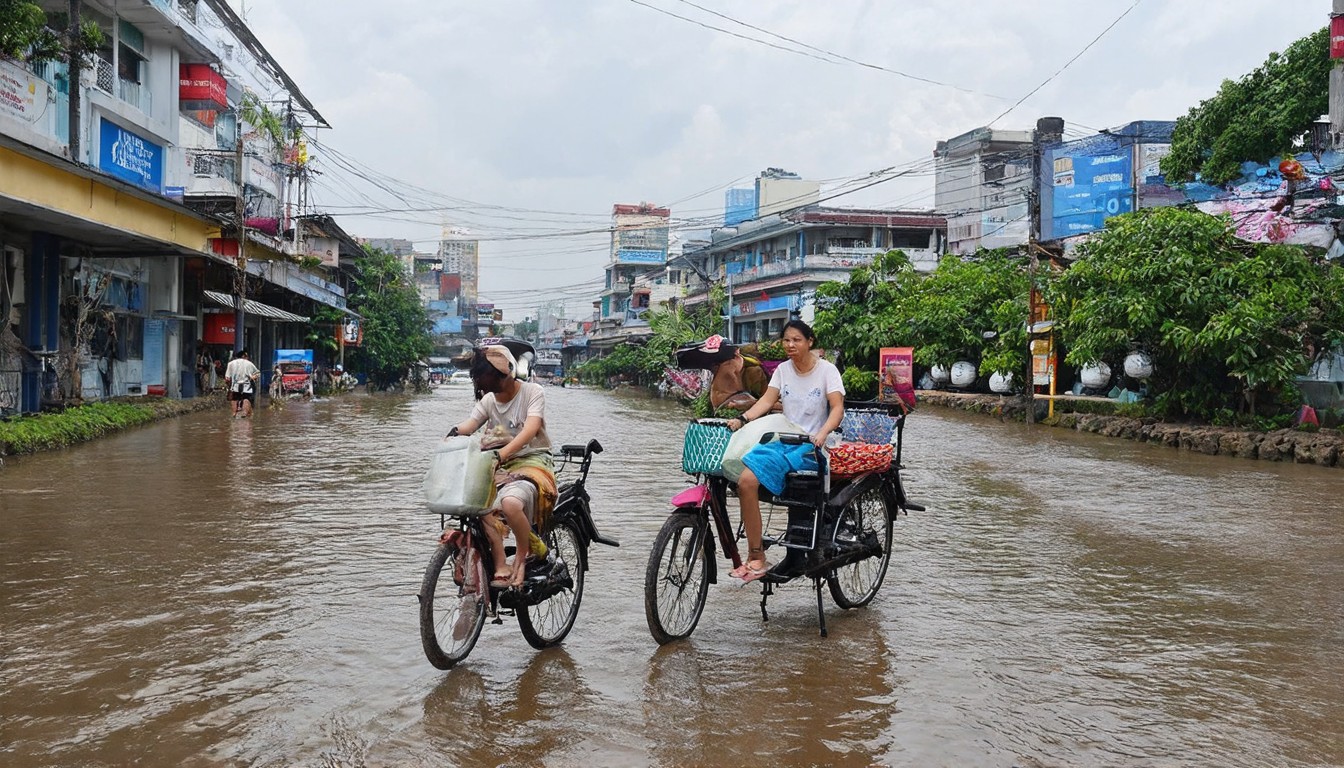
Bangkok, Thailand, is bracing itself as the city faces unprecedented heat and humidity, with authorities warning that the heat index could reach dangerous levels, potentially exceeding 52 degrees Celsius. The combination of high temperatures and extreme humidity is making the city unbearable for many residents, with the "feels like" temperature soaring far beyond the official readings.
The city's weather has been consistently hot and humid for several weeks, with temperatures hovering around 40 degrees Celsius during the day. However, the humidity, which has reached up to 90%, is amplifying the discomfort, making it feel like the thermometer is reading much higher. This phenomenon, known as the heat index, is a measure of how hot it feels to humans, taking into account both temperature and humidity. In Bangkok, the heat index is now regularly exceeding 50 degrees Celsius, pushing the city into dangerous territory.
Authorities have issued severe warnings, advising residents to take precautions to avoid heat-related illnesses. The Department of Disaster Preparedness and Mitigation (DDPM) has urged people to stay indoors during the hottest hours of the day, between 10 am and 4 pm, and to stay hydrated by drinking plenty of water. Schools and workplaces have been advised to implement cooling measures, such as providing fans and shading, to protect vulnerable populations.
The extreme heat is not only affecting the city's residents but also posing challenges for the local healthcare system. Hospitals are reporting an increase in cases of heatstroke, dehydration, and other heat-related illnesses. Medical professionals are urging people to be extra cautious, especially the elderly, children, and those with pre-existing health conditions, who are more susceptible to the effects of high temperatures.
The city's infrastructure is also struggling to cope with the relentless heat. Public transportation systems, such as the Bangkok MRT and BTS, have been experiencing delays and breakdowns due to the extreme conditions. Power outages have become more frequent, with the city's electricity grid struggling to meet the increased demand from air conditioners and fans.
The government has been working to alleviate the situation by deploying mobile cooling units in public areas and distributing ice to households. However, experts warn that such measures may not be sufficient to counter the intense heat and humidity. Climate change is exacerbating the problem, with scientists predicting that global temperatures are set to rise further, making extreme weather events more frequent and severe.
Bangkok's residents are grappling with the harsh reality of their city's changing climate. Many are calling for more comprehensive solutions, such as the development of green spaces, improved public transportation, and better urban planning to cope with the heat. As the city braces for another scorching day, the challenge of adapting to a warming world becomes all too real.
In the face of these extreme conditions, the city's residents are taking matters into their own hands. Neighborhoods are organizing community cooling centers, and local businesses are offering free water and shaded areas for passersby. Despite the daunting challenges, there is a sense of resilience and solidarity among the people of Bangkok, who are determined to weather the storm together.
As the heat index continues to soar, the city's authorities and residents are on high alert, ready to face whatever the future holds. The situation in Bangkok serves as a stark reminder of the impact of climate change and the urgent need for global action to mitigate its effects. For now, the focus remains on survival and adaptation, as the city and its people endure the unrelenting heat and humidity.








