
Bangkok’s heat index hits dangerous levels, as authorities warn temperatures could exceed 52 deg C
High humidity is pushing the “feels like” temperature significantly higher.
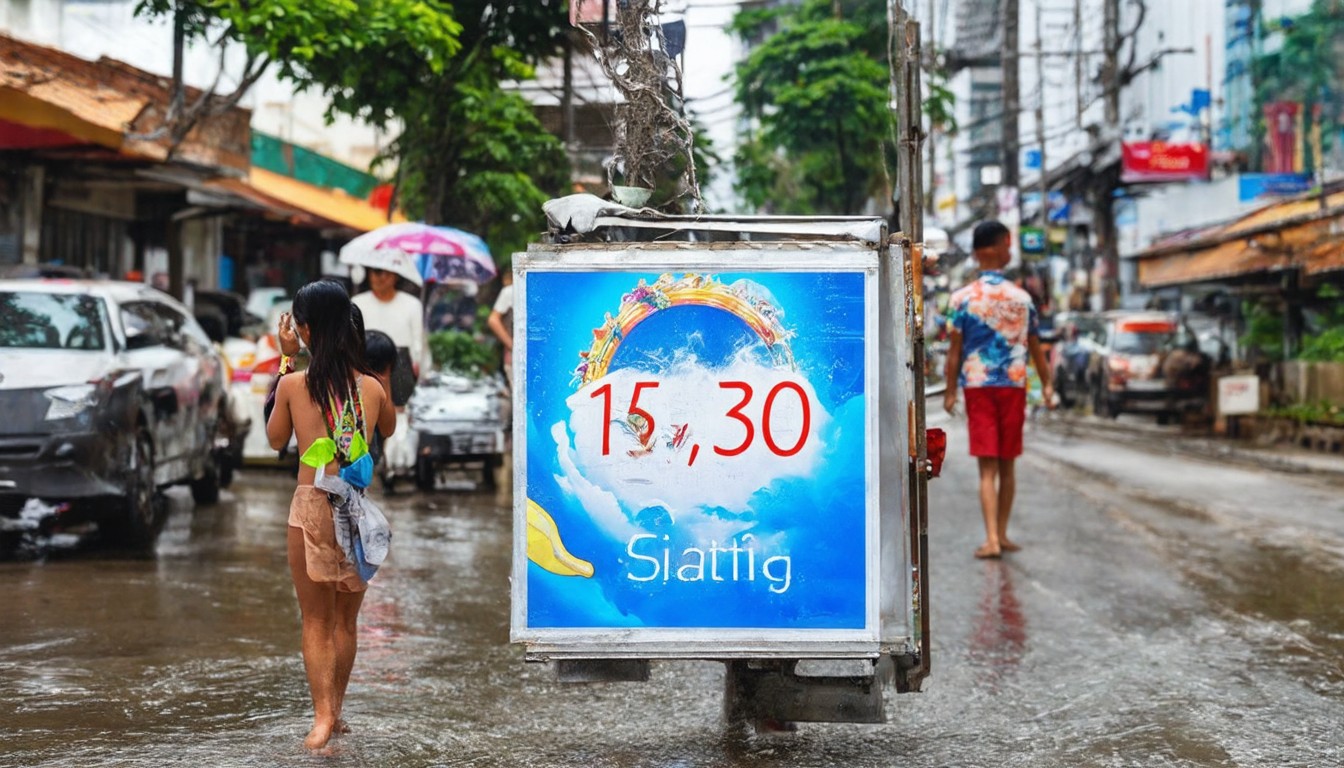
Bangkok, Thailand, is bracing itself as the city's heat index soars to dangerous levels, with authorities warning that temperatures could exceed 52 degrees Celsius. The sweltering conditions are exacerbated by high humidity, which is making the "feels like" temperature significantly higher than the actual recorded figures. Residents and visitors are being urged to take precautions to avoid heat-related illnesses, as the city grapples with one of its hottest spells in recent memory.
The extreme heat is not only affecting the daily lives of Bangkok's population but is also putting a strain on the city's infrastructure. Power outages have become more frequent, with authorities warning that the increased demand for air conditioning is putting a significant burden on the electrical grid. This has led to calls for conservation efforts, with many businesses and homes being advised to reduce their energy consumption during peak hours.
Health officials have reported a surge in cases of heatstroke and dehydration, with hospitals and clinics reporting higher-than-usual numbers of patients seeking treatment for heat-related illnesses. The Thai Public Health Authority has issued warnings, urging people to stay indoors during the hottest parts of the day, to drink plenty of water, and to avoid strenuous activities. Schools and workplaces have been advised to implement cooling measures, such as providing fans and water stations, to help protect workers and students from the extreme conditions.
The government has also been working to enhance the city's cooling infrastructure, with plans to install more public fans and misting systems in key areas. Additionally, the Bangkok Metropolitan Administration has been encouraging the use of public transportation, such as the elevated train system and buses, which are often equipped with air conditioning, to reduce the number of private vehicles on the road during peak hours.
The extreme heat is not only a challenge for the city's residents but is also affecting the local economy. Tourism, which is a significant contributor to Thailand's GDP, is suffering as visitors avoid the sweltering conditions. Hotels and restaurants have reported a drop in bookings, with many businesses reporting lower-than-expected revenues. The tourism industry, already struggling due to the COVID-19 pandemic, is now facing another setback as the city's unbearable heat deters visitors from coming to the "City of Angels."
In response to the crisis, the Thai Meteorological Department has issued a red alert for Bangkok, warning that the city could experience temperatures as high as 52 degrees Celsius. This would mark one of the highest recorded temperatures in the city's history, surpassing the previous record of 51.7 degrees Celsius set in 2016. The department has urged people to take extra precautions, emphasizing the importance of staying hydrated and avoiding prolonged exposure to the sun.
The extreme heat is also raising concerns about the long-term impacts on the city's environment and infrastructure. With temperatures consistently pushing the limits, there are fears that the city's aging infrastructure may not be able to withstand the strain, leading to further power outages and disruptions. Additionally, the high temperatures are expected to exacerbate air pollution, with smog levels expected to rise as the city's vehicles and industries continue to operate under the extreme conditions.
As Bangkok battles its hottest spell in years, the city's authorities are working to mitigate the impacts of the extreme heat. However, the situation remains precarious, with residents and visitors alike being urged to take all possible precautions to protect themselves from the dangerous levels of heat and humidity. The city's struggle with the unbearable heat serves as a stark reminder of the challenges posed by climate change and the need for urgent action to address the global warming crisis.








