Average U.S. gas price hits $4 for the first time since 2022
The average price of a gallon of gasoline hit $4 Tuesday for the first time since mid-2022, as the cost of oil surges due to the Iran war
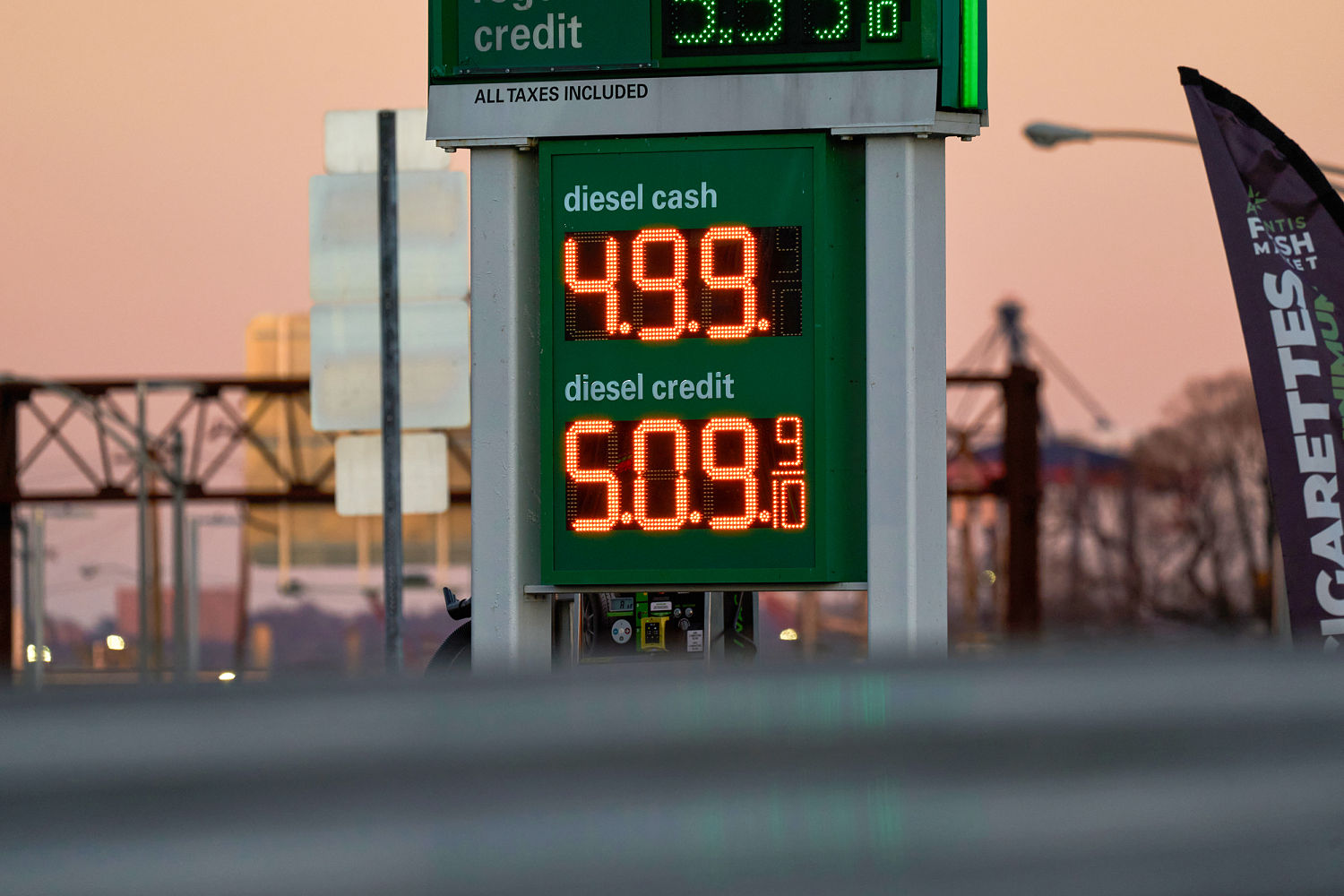
The average price of a gallon of gasoline in the United States reached $4 for the first time since mid-2022 on Tuesday, marking a significant spike in fuel costs. This surge is driven by the escalating cost of oil, which has been influenced by the ongoing tensions in the Middle East, particularly the conflict involving Iran.
The last time the average U.S. gas price hit $4 was in July 2022, a period when global oil prices were already on an upward trajectory. Since then, the cost of oil has continued to fluctuate, but it was not until recently that the average price of gasoline crossed the $4 threshold again. This development is a stark reminder of the volatility in global energy markets and its direct impact on consumers in the United States.
The primary driver behind the recent surge in oil prices is the escalating conflict in the Middle East, particularly the ongoing tensions between Iran and the United States. The situation has raised concerns about the stability of oil supply routes, leading to increased demand for oil and, consequently, higher prices. The conflict has disrupted the normal flow of oil, causing producers to adjust their output and prices accordingly.
The impact of this price hike is felt most acutely by everyday drivers, who are now facing significantly higher costs at the pump. For many Americans, this means a substantial increase in their monthly expenses for transportation. The rise in gas prices also has broader economic implications, as it can contribute to inflation and affect industries reliant on fuel, such as transportation and manufacturing.
In response to the rising prices, some drivers are turning to alternative modes of transportation, such as public transit or carpooling, to reduce their fuel costs. Others are considering purchasing electric or hybrid vehicles, which offer savings on gasoline. However, the transition to alternative energy sources is a gradual process, and many consumers may not be able to make such changes immediately.
The situation in the Middle East remains uncertain, with no clear resolution in sight. This uncertainty has contributed to the volatility in oil prices, making it difficult for consumers and businesses to predict future costs. As the conflict continues, there is a real possibility that gas prices may rise further, putting additional strain on households and businesses.
Government officials and industry experts are closely monitoring the situation, but there is limited immediate action they can take to stabilize oil prices. The situation underscores the importance of diversifying energy sources and reducing dependence on foreign oil, a goal that has been a part of U.S. energy policy for several years.
In conclusion, the average U.S. gas price reaching $4 for the first time since 2022 is a direct result of the escalating conflict in the Middle East and the subsequent surge in oil prices. This development is causing significant concern among consumers, who are facing higher transportation costs, and has broader economic implications. As the situation in the region remains uncertain, there is a real possibility that gas prices may continue to rise, highlighting the need for a more sustainable and diversified energy future.