Automotive Cybersecurity Threats Grow in Era of Connected, Autonomous Vehicles
More than a decade since the 2015 Jeep hack, the cybersecurity of vehicles remains of the utmost importance.
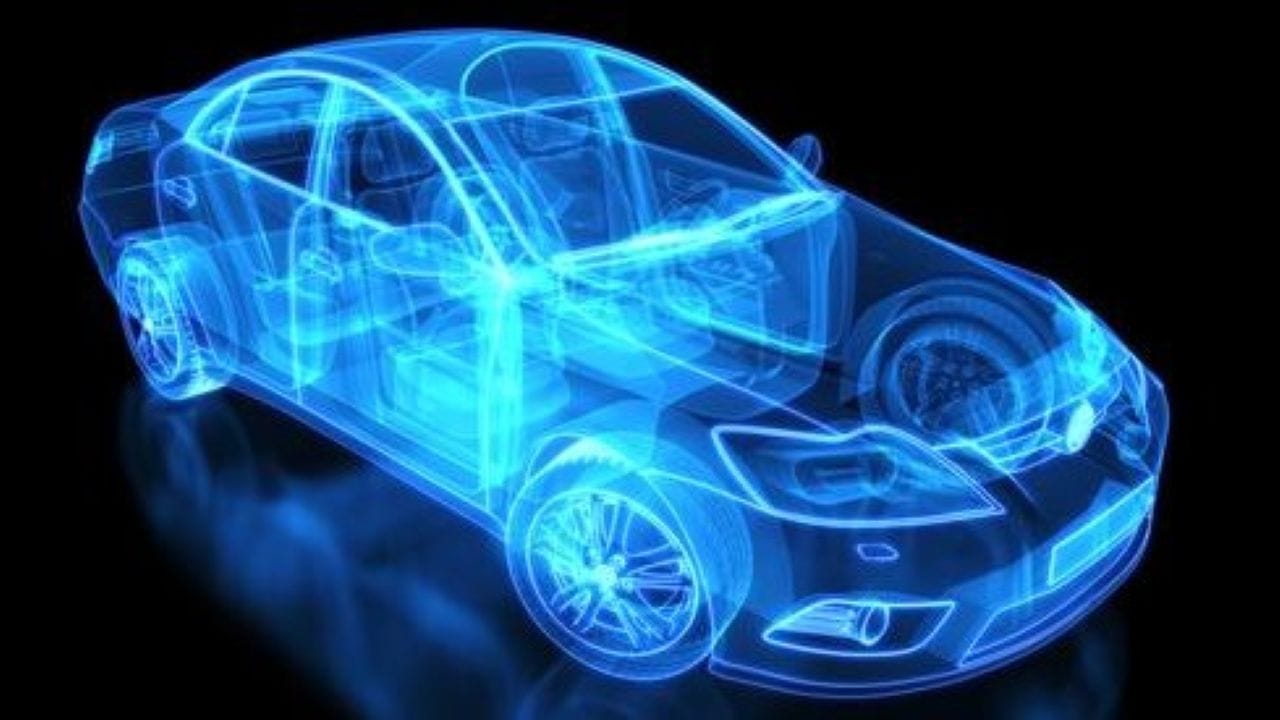
In the rapidly evolving world of automotive technology, cybersecurity threats have become a pressing concern as vehicles become increasingly connected and autonomous. The 2015 Jeep hack, which demonstrated the vulnerability of modern cars to remote exploitation, served as a stark reminder of the risks involved in integrating advanced technology into transportation systems. Since then, the stakes have only grown higher, as more manufacturers adopt connected and autonomous vehicle (CAV) technologies, relying on sophisticated software and networks to enhance safety, efficiency, and convenience.
The 2015 incident, orchestrated by researchers from the security firm Charlie Miller and Chris Valasek, involved exploiting vulnerabilities in the Jeep Cherokee's onboard systems. By gaining access to the vehicle's ECU (electronic control unit), the hackers were able to remotely control critical functions such as acceleration, braking, and steering. This demonstration of potential harm highlighted the need for robust cybersecurity measures in the automotive industry. Since that time, the industry has made significant strides in addressing these vulnerabilities, but the challenges remain complex and multifaceted.
As vehicles become more interconnected, they are increasingly reliant on software and networks to function. This connectivity enables features such as real-time traffic updates, in-car entertainment systems, and autonomous driving capabilities. However, it also exposes vehicles to a wider range of cyber threats, including data theft, unauthorized access, and malicious manipulation of vehicle systems. Cybercriminals are continually evolving their tactics to exploit these vulnerabilities, targeting not only individual vehicles but also the infrastructure supporting them, such as charging stations and parking garages.
One of the primary challenges in addressing automotive cybersecurity is the sheer complexity of modern vehicles. Each car can contain dozens of interconnected systems, each with its own software and hardware components. This complexity makes it difficult to identify and mitigate vulnerabilities, as potential attack surfaces are numerous and often poorly documented. Additionally, the rapid pace of technological advancement means that security measures must be continuously updated to keep pace with emerging threats.
Manufacturers are taking steps to address these challenges by adopting a range of security measures. These include encrypting communication between vehicles and networks, implementing secure software development practices, and conducting regular vulnerability assessments. Some companies are also exploring the use of blockchain technology to enhance the security of vehicle data and transactions. However, the effectiveness of these measures depends on widespread adoption and collaboration across the industry, as well as rigorous testing and validation.
Regulators are also playing a critical role in shaping the future of automotive cybersecurity. Governments around the world are introducing standards and guidelines to ensure that vehicles meet minimum security requirements. For example, the National Highway Traffic Safety Administration (NHTSA) in the United States has proposed rules requiring manufacturers to report certain cybersecurity vulnerabilities and to provide updates to address them. These efforts aim to create a more secure ecosystem for both drivers and the broader transportation network.
Despite these advancements, the threat landscape remains dynamic and unpredictable. As autonomous vehicles become more prevalent, the potential for catastrophic consequences of a successful cyberattack grows significantly. A malicious actor could potentially cause accidents, theft, or even loss of life by exploiting vulnerabilities in these systems. Therefore, the ongoing battle against automotive cybersecurity threats requires vigilance, innovation, and a concerted effort from manufacturers, regulators, and the broader technology community.
In conclusion, the era of connected and autonomous vehicles brings with it both exciting opportunities and significant challenges in the realm of cybersecurity. The 2015 Jeep hack served as a wake-up call, prompting the industry to take action and invest in robust security measures. However, the complexities of modern vehicles and the evolving nature of cyber threats mean that the battle against automotive cybersecurity risks is far from over. As the industry continues to innovate, it must do so with a strong focus on security, ensuring that the benefits of connected and autonomous vehicles are realized without compromising the safety and privacy of drivers and passengers.