
Attune Agriculture secures EPA registration for Entrapment insecticide
Expanded label allows use across all U.S. crop groups as company prepares market rollout.
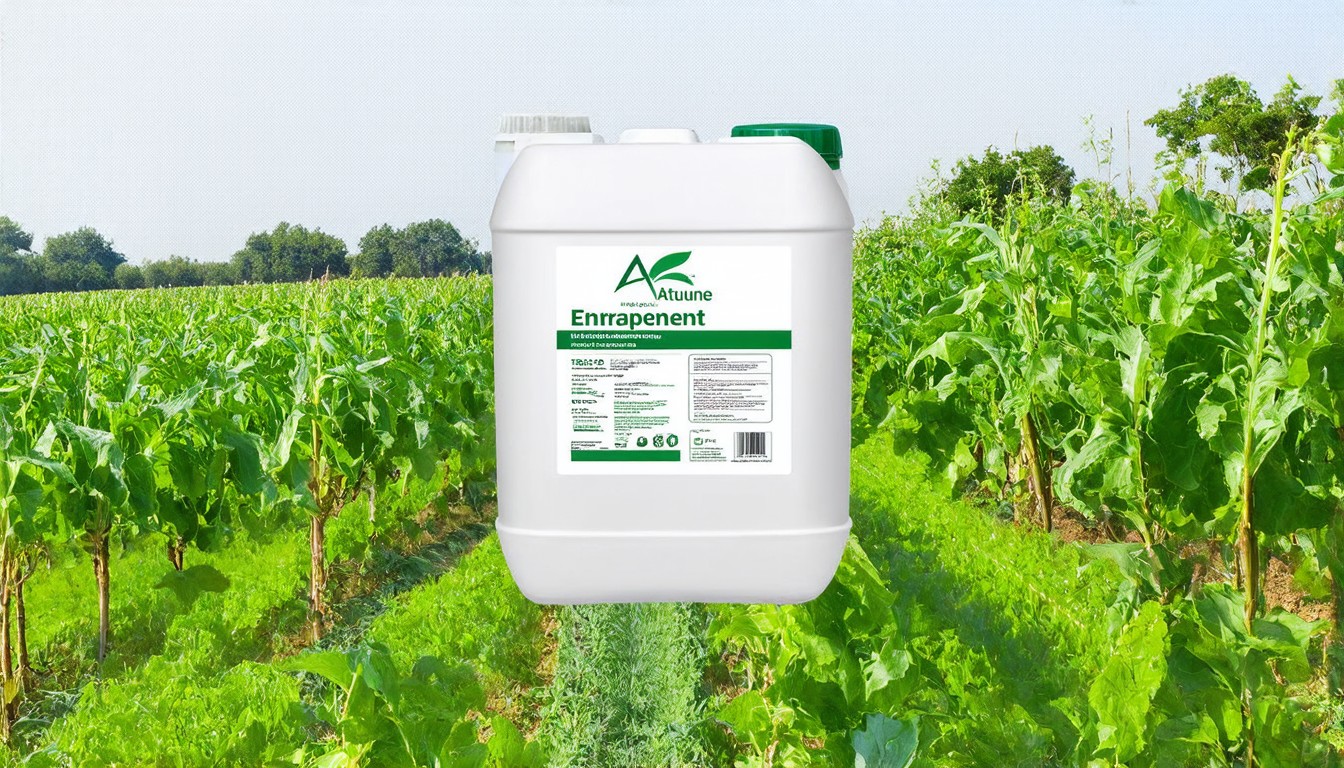
Attune Agriculture has recently secured EPA registration for its Entrapment insecticide, marking a significant milestone in the company's mission to provide sustainable pest management solutions. This registration grants the product a broadened label, allowing its use across all U.S. states and crop groups, as the company prepares for a market rollout.
The Entrapment insecticide, a contact, non-systemic product, operates on a physical mode of action. Its active ingredient, Rhexalloid, forms droplets on plant surfaces, immobilizing small insects and mites upon contact. Unlike conventional insecticides, Entrapment does not affect the metabolic or nervous system functions of pests, reducing the risk of resistance development. Additionally, the product is designed to avoid phytotoxic effects on treated crops, ensuring minimal impact on the plants themselves.
One of the key advantages of Entrapment is its flexibility in application. The insecticide can be applied up to harvest, and there are no restrictions on application intervals or frequency. This versatility allows farmers to integrate Entrapment into their pest management strategies effectively. It can be used as a stand-alone treatment or in rotation with conventional chemistries as part of insect resistance management programs.
The expanded EPA label for Entrapment covers a wide range of pests, including aphids, thrips, whiteflies, and mites. Notably, the product has been expanded to include species such as spotted wing drosophila, cotton jassid, and spotted lanternfly, which are known for their potential to cause significant damage to agricultural crops.
Third-party research groups in the U.S. have conducted field trials with Entrapment, demonstrating its performance is comparable to, and in some cases exceeds, standard chemical programs. These trials have shown improved control of codling moth in apples, navel orangeworm in almonds, plant bugs in cotton, and whiteflies in greenhouse tomatoes. These results highlight Entrapment's potential to offer effective pest control without the environmental and health concerns associated with traditional insecticides.
The Entrapment line includes multiple formulations, one of which is listed by the Organic Materials Review Institute for use in organic production. This certification further underscores the product's suitability for organic farmers seeking to manage pests sustainably.
As Attune Agriculture prepares for commercial availability of Entrapment, the company is poised to offer a valuable alternative to conventional pesticides. By providing a broad-spectrum, physically active insecticide that can be applied flexibly and safely, Entrapment has the potential to revolutionize pest management practices, offering farmers a tool to combat pests while minimizing environmental impact.
In the face of growing pest resistance and increasing pressure to reduce chemical use in agriculture, Entrapment represents a promising solution. Its physical mode of action and broad applicability across crop groups and settings make it a versatile option for farmers looking to maintain healthy crops without relying on traditional chemical insecticides.
As the company gears up for its market rollout, Entrapment's EPA registration serves as a testament to the potential of innovative, sustainable pest management solutions. With a proven track record in third-party trials and organic certification, Entrapment is set to become a cornerstone of modern agricultural practices, offering farmers a new way to protect their crops while safeguarding the environment.









