
ATLAS: Practical scaling laws for multilingual models
Generative AI
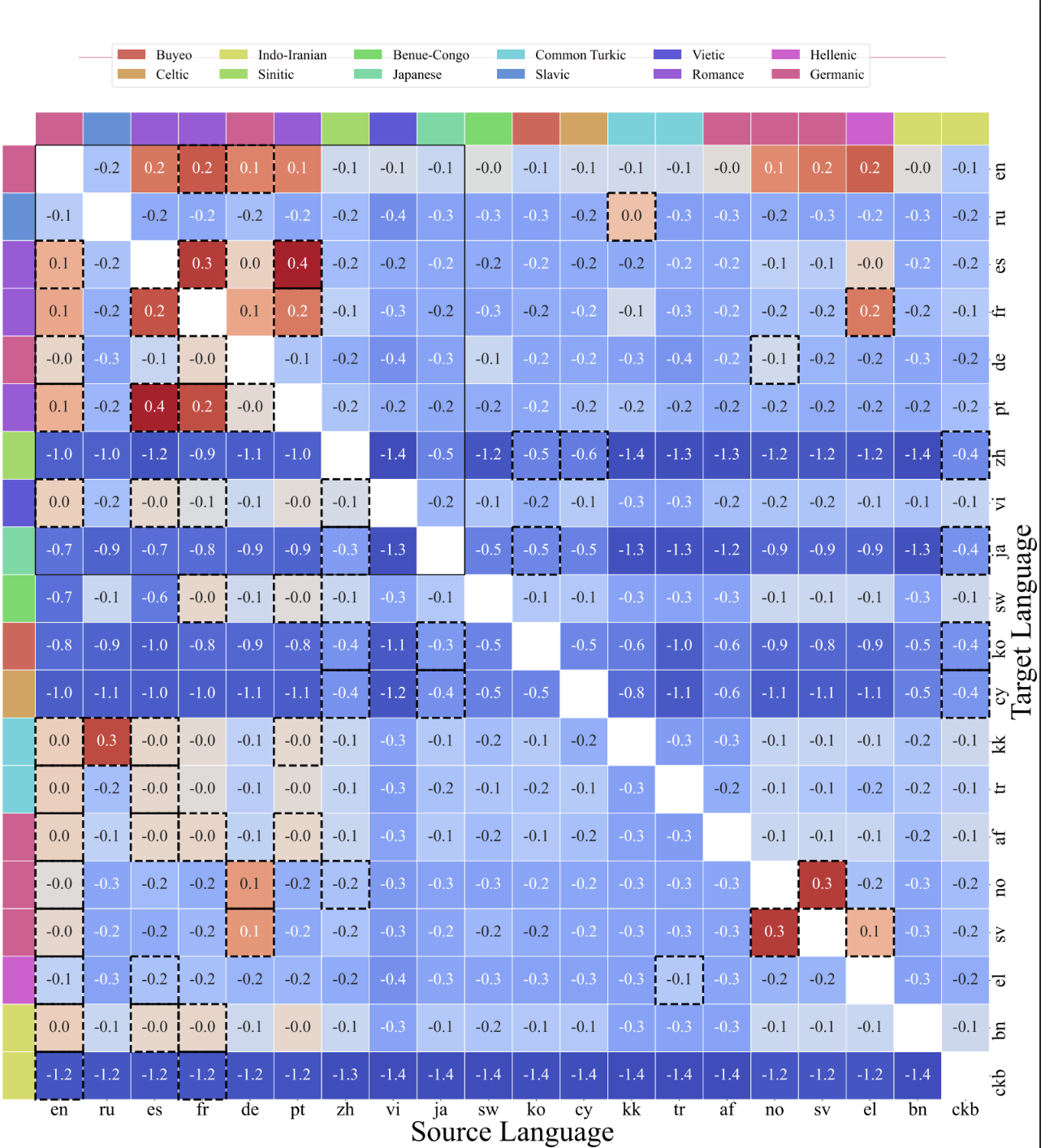
In recent years, the field of artificial intelligence has witnessed a surge in the development of generative models, particularly those capable of handling multiple languages. One of the most significant advancements in this area is the introduction of ATLAS, a framework that provides practical scaling laws for multilingual models. This breakthrough not only enhances the efficiency of these models but also broadens their applicability across diverse linguistic contexts.
The concept of scaling laws in machine learning refers to the relationship between model size, training data, and performance. These laws help researchers and practitioners understand how to optimize model performance by scaling up resources such as data, compute, and parameters. ATLAS takes this concept a step further by focusing on multilingual models, which are designed to process and generate text in multiple languages.
One of the key challenges in developing multilingual models is ensuring that they can effectively handle the complexities of different languages while maintaining high performance. ATLAS addresses this by providing a set of empirical scaling laws that guide the design and training of these models. These laws are derived from extensive experiments and analysis, allowing researchers to make informed decisions about model architecture, data requirements, and training strategies.
The practicality of ATLAS lies in its ability to simplify the process of scaling multilingual models. By providing clear guidelines on how to scale resources, it enables developers to optimize their models more efficiently. This is particularly important in the context of generative AI, where large-scale models are often required to achieve state-of-the-art performance. ATLAS helps to mitigate the challenges associated with scaling these models, such as increased computational costs and the need for vast amounts of data.
Another significant aspect of ATLAS is its focus on multilingual capabilities. As the world becomes increasingly interconnected, the demand for models that can handle multiple languages has grown significantly. ATLAS addresses this need by offering a framework that allows developers to build models capable of processing and generating text in various languages with high accuracy and efficiency. This not only broadens the potential applications of generative AI but also makes it more accessible to a wider audience.
The introduction of ATLAS also has implications for the broader field of artificial intelligence. By providing practical scaling laws for multilingual models, it encourages further research and development in this area. Researchers can now build upon the framework to explore new techniques and architectures that leverage the benefits of multilingual models. This, in turn, can lead to the creation of more sophisticated and versatile AI systems.
In conclusion, ATLAS represents a significant advancement in the field of generative AI, particularly in the context of multilingual models. By offering practical scaling laws, it simplifies the process of scaling these models and enhances their efficiency. This not only addresses the challenges associated with handling multiple languages but also broadens the applicability of generative AI across a wider range of linguistic contexts. As the demand for multilingual capabilities in AI continues to grow, ATLAS is poised to play a crucial role in shaping the future of this rapidly evolving field.









