Atishi Says Raghav Chadha 'Afraid' Of BJP, PM Modi After Removal As RS Deputy Leader
AAP leader Atishi accuses Raghav Chadha of fearing BJP and Modi, skipping impeachment move and protests.
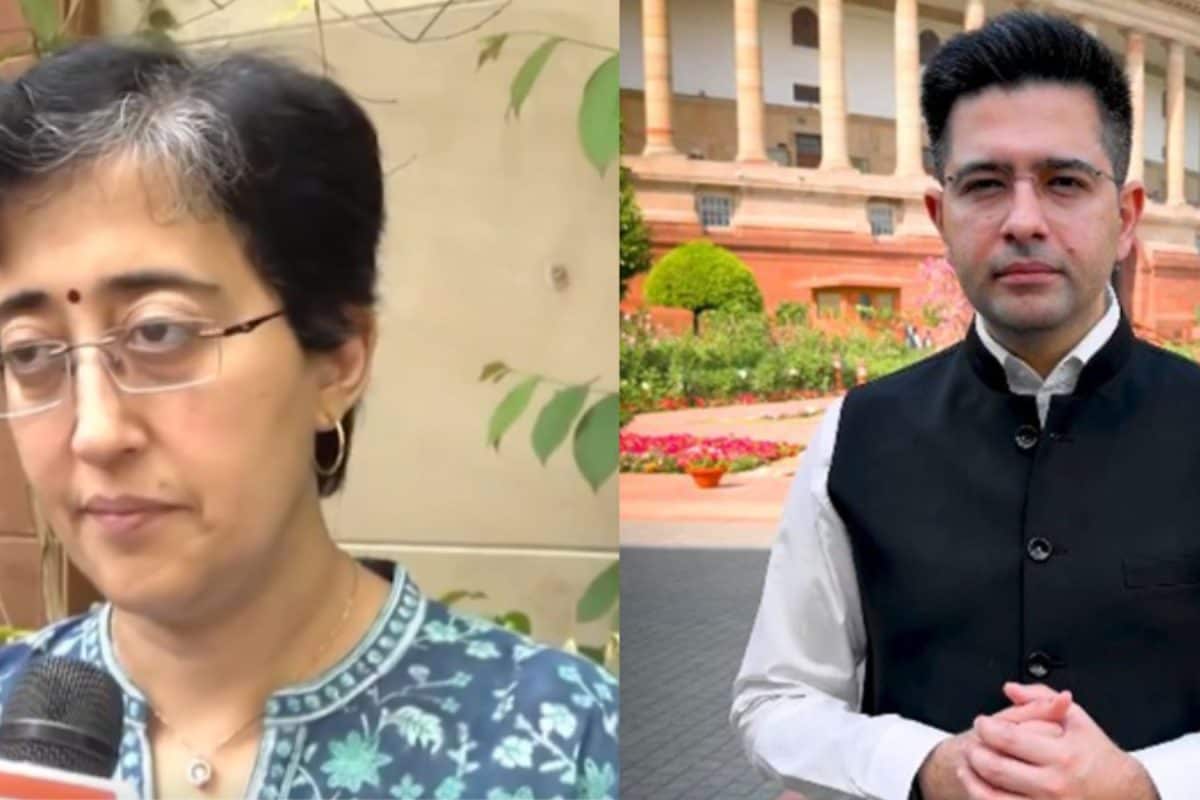
AAP leader Atishi has accused Raghav Chadha of being afraid of the BJP and Prime Minister Narendra Modi after he was removed as the Deputy Leader of the Rajya Sabha. The accusation comes as Chadha reportedly skipped an impeachment motion and protests, raising questions about his commitment to his party and its principles.
Atishi, a prominent member of the Aam Aadmi Party (AAP), has been vocal in her criticism of Chadha's actions. She claims that Chadha's fear of the BJP and Modi has led him to abandon his responsibilities and avoid taking a stand against the ruling party. This accusation has sparked a debate within the AAP about leadership and the party's stance on key issues.
The impeachment motion that Chadha reportedly skipped was aimed at removing a BJP member from a high-profile position. The AAP, known for its anti-corruption stance and opposition to the BJP, had planned a series of protests to pressure the government into taking action. However, Chadha's absence was seen as a letdown, as his role as Deputy Leader of the Rajya Sabha made him a key figure in these efforts.
Atishi's accusations have been met with mixed reactions within the AAP. Some party members have expressed concern about the leadership crisis and the potential impact on the party's image. Others have defended Chadha, arguing that his decisions were based on strategic considerations and the need to protect the party's interests.
The removal of Chadha as Deputy Leader of the Rajya Sabha was a significant development within the AAP. His departure has led to a power struggle, with several leaders vying for the position. Atishi's accusations have further complicated the situation, as they have cast doubt on the integrity of the party's leadership.
The BJP, on the other hand, has remained silent on the matter. However, some analysts believe that the accusations could be seen as an attempt by the AAP to shift blame for its recent setbacks onto its rivals. The AAP has been struggling to maintain its momentum in the aftermath of the 2020 Delhi elections, and such allegations could be an attempt to regain public support.
The situation within the AAP is delicate, with tensions running high between different factions. Atishi's accusations have brought these tensions to the forefront, and the party's future direction is now uncertain. The AAP's ability to navigate this crisis will be crucial in determining its prospects in the upcoming elections.
In conclusion, the accusations levied by AAP leader Atishi against Raghav Chadha have highlighted the internal challenges facing the party. The fear of the BJP and Modi, as well as the perceived lack of courage to take a stand, have raised questions about the AAP's leadership and its commitment to its core values. As the party grapples with these issues, the future remains uncertain, and the outcome will be closely watched by political observers and analysts.