
At the AI Impact Summit in Delhi: people, planet, progress
Trip report from the Indian AI Impact Summit in New Delhi, covering the massive expo, a conversation with Yann LeCun, a hackathon/talk at IIT-Delhi, networking at the British High Commission, and reflections on the summit declaration's shift from safety to progress and equitable access.
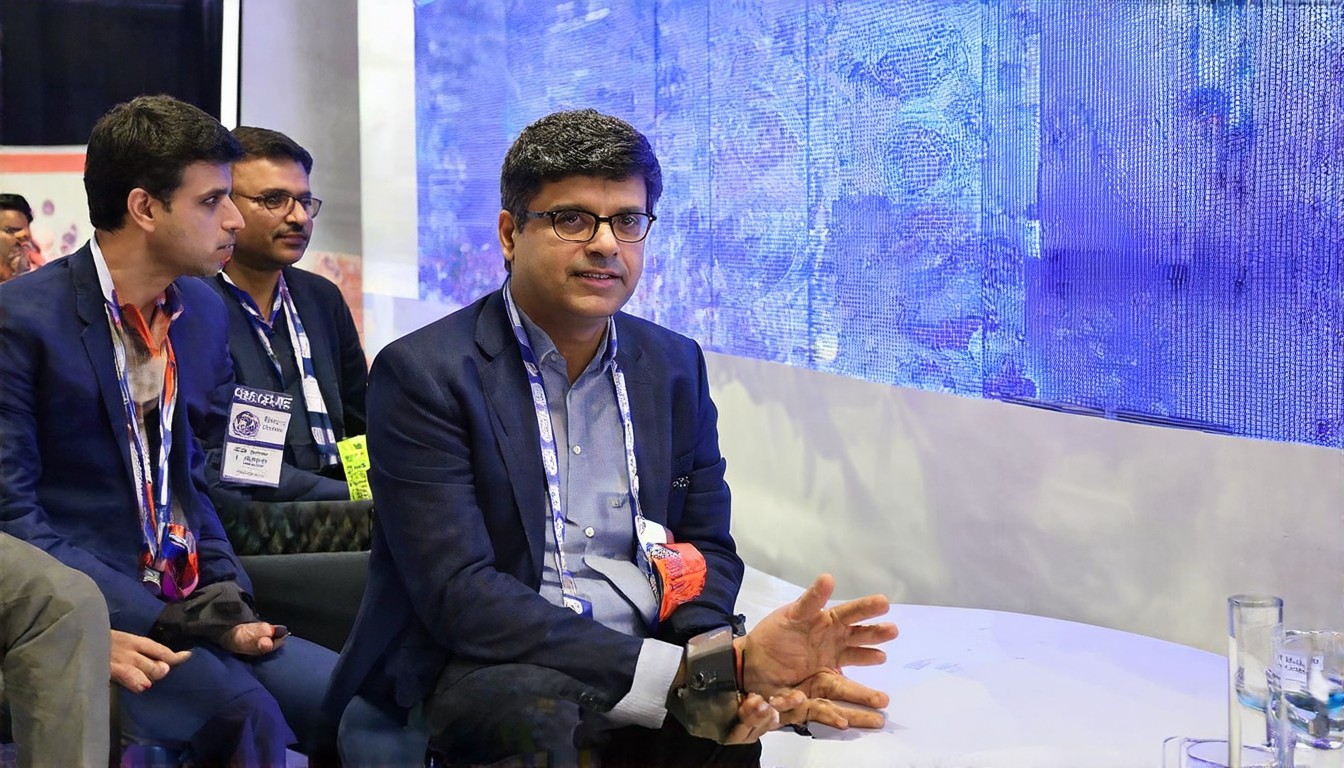
The Indian AI Impact Summit in New Delhi was a whirlwind of activity, showcasing the vibrant intersection of technology, policy, and society. Held over three days, the event drew over 10,000 attendees, including industry leaders, academics, and policymakers, all eager to discuss the future of artificial intelligence (AI) in India and globally. The summit was not just a platform for networking and knowledge exchange but also a testament to the rapid growth of AI in the region.
The massive expo, spread across several halls of the Pragati Maidan complex, was a spectacle of innovation. Companies like Amazon, Microsoft, and IBM showcased their latest AI solutions, from healthcare diagnostics to smart agriculture. Startups and research institutions were also prominent, displaying groundbreaking projects that underscored India's potential as a global AI hub. The expo was a microcosm of the diverse applications of AI, from education to infrastructure, highlighting the sector's transformative power.
One of the highlights of the summit was the opportunity to engage with Yann LeCun, a pioneer in the field of AI and a recipient of the Turing Award. LeCun's keynote address focused on the ethical implications of AI development and the need for equitable access to its benefits. He emphasized the importance of collaboration between governments, academia, and industry to ensure that AI advances society rather than exacerbate existing inequalities. His insights provided valuable perspective on the challenges and opportunities ahead for AI in India and beyond.
In addition to the expo, the summit included a hackathon and a talk at the Indian Institute of Technology (IIT) Delhi. The hackathon, aimed at students and young professionals, challenged participants to develop innovative AI solutions for real-world problems. The event showcased the creativity and ingenuity of the next generation of AI developers, many of whom are poised to shape the future of the sector. The talk at IIT Delhi, delivered by a leading AI researcher, explored the intersection of AI and climate change, highlighting the potential of AI to drive sustainable development and mitigate environmental challenges.
Networking opportunities were abundant, with attendees flocking to the British High Commission's special session on AI and trade. The session brought together experts from both India and the UK to discuss the synergies between AI and trade, and the potential for enhanced cooperation between the two nations in this rapidly evolving field. The informal setting allowed for in-depth discussions and the exchange of ideas that could lead to significant collaborations in the future.
The summit declaration marked a significant shift in focus from the traditional emphasis on AI safety to a more holistic view of progress and equitable access. This pivot reflects a growing recognition of the need to address the societal and economic challenges that AI can help solve, while also ensuring that its benefits are not confined to a select few. The declaration underscored the importance of inclusive growth, where AI technologies are developed and deployed in a manner that empowers all sections of society, particularly marginalized groups.
Reflections on the summit reveal a promising outlook for AI in India. The event highlighted the country's burgeoning talent pool, the government's commitment to fostering an AI-friendly ecosystem, and the private sector's investment in the sector. However, challenges remain, including the need for a skilled workforce, adequate funding for research, and the development of ethical guidelines for AI deployment. The AI Impact Summit in Delhi serves as a catalyst for addressing these challenges and harnessing the full potential of AI for the betterment of people, planet, and progress.
In conclusion, the Indian AI Impact Summit in New Delhi was a landmark event that brought together diverse stakeholders to explore the future of AI. The expo, keynote addresses, hackathon, and networking sessions provided a comprehensive view of the sector's current state and its potential for transformative growth. The shift in focus from safety to progress and equitable access signals a maturing understanding of AI's role in addressing global challenges. As the world looks to the future of AI, the lessons learned at this summit will undoubtedly shape the trajectory of this rapidly evolving field.









