
At Nvidia's GTC, Jensen Huang Will Have to Sell AI to an Increasingly Skeptical Public
Bad AI polling numbers could lead to data center delays. Jensen to the rescue?
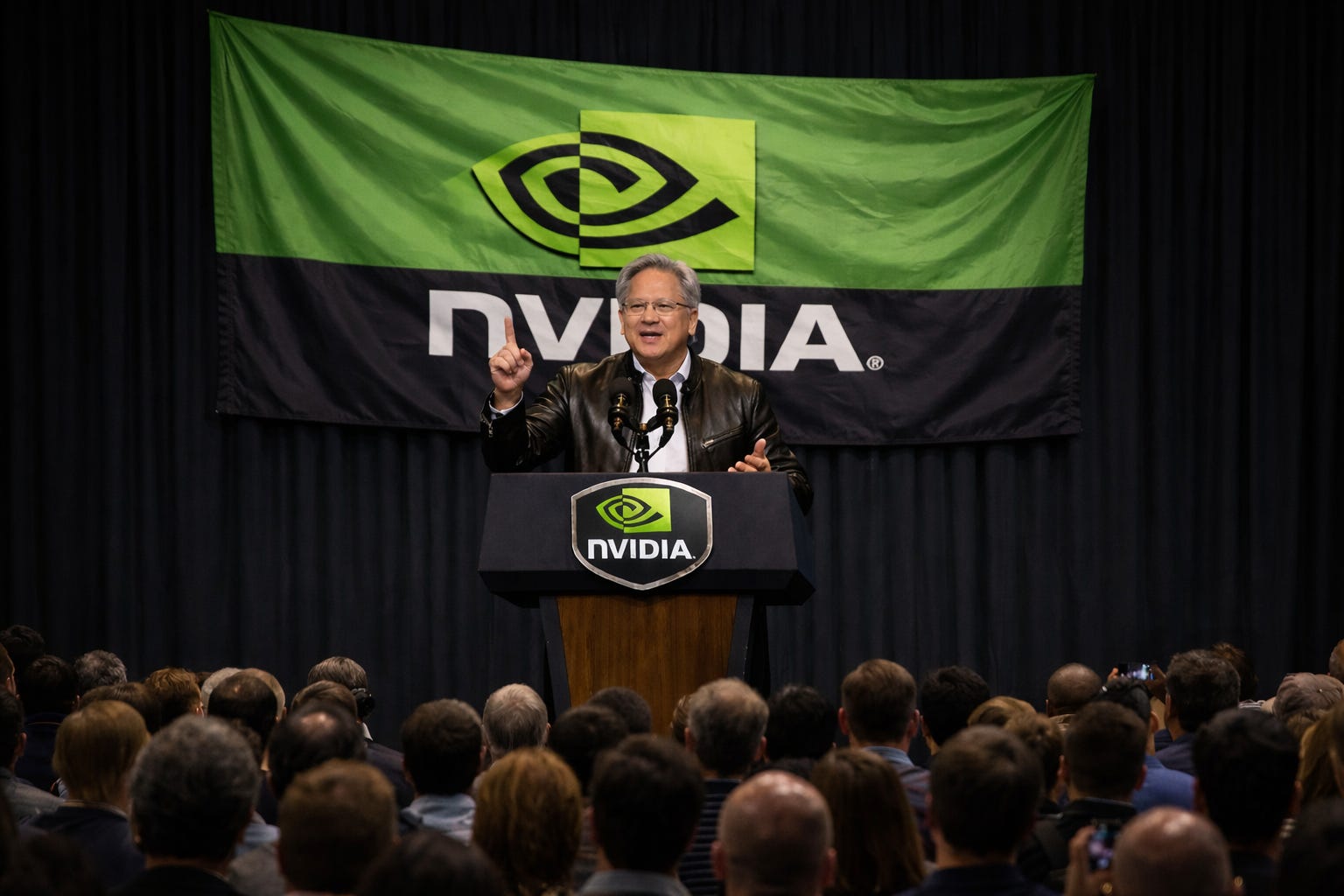
As Nvidia CEO Jensen Huang prepares to address the audience at the company's annual GPU Technology Conference (GTC) on Monday, the stakes are higher than ever. This year's GTC is not just another opportunity for Nvidia to showcase its latest products and roadmap; it's a critical moment for the company to reaffirm its position in the rapidly evolving AI landscape. The event will serve as a legitimacy test for Nvidia's next phase of AI expansion, as the company faces mounting skepticism from the public and challenges in the data center market.
Nvidia's annual GTC has long been a platform for the company to demonstrate its technological prowess and set the stage for future innovations. However, this year's conference is fraught with uncertainty. Recent polling data has revealed a growing public skepticism towards AI, with many concerned about its potential misuse and unintended consequences. This shift in public sentiment could pose a significant hurdle for Nvidia's plans to expand its data center operations, which are central to the company's growth strategy.
Jensen Huang, the company's visionary CEO, will have a pivotal role to play in navigating these challenges. His ability to articulate the benefits of AI and address public concerns will be crucial in maintaining investor confidence and driving adoption of Nvidia's AI solutions. Huang's keynote address at GTC will likely focus on showcasing real-world applications of AI that demonstrate its positive impact on society, such as advancements in healthcare, environmental sustainability, and autonomous systems.
In addition to addressing public skepticism, Nvidia must also contend with the competitive landscape in the data center market. The company has been a leader in the development of AI-optimized hardware, but it faces stiff competition from rivals like AMD and Intel. These competitors are rapidly advancing their own AI offerings, threatening Nvidia's market dominance. To counter this, Nvidia will need to emphasize its technological edge and the superior performance of its hardware in handling large-scale AI workloads.
Moreover, Nvidia's expansion into the data center market is not without its own challenges. The company has invested heavily in building out its data center infrastructure, but recent delays in the deployment of new facilities have raised concerns among investors. These setbacks could impact Nvidia's ability to meet growing demand for its AI solutions and maintain its competitive edge. Huang will likely address these concerns during his keynote, reassuring the audience of the company's commitment to delivering on its promises.
As Nvidia's GTC conference unfolds, the focus will undoubtedly be on Jensen Huang's ability to reinvigorate public enthusiasm for AI and demonstrate the company's resilience in the face of adversity. With the stakes higher than ever, Huang's message of hope and innovation will be key to securing Nvidia's position as a leader in the AI industry. The success of this year's GTC will not only determine the company's short-term prospects but also shape the trajectory of AI development for years to come.









