
At Nvidia's GTC, Jensen Huang Will Have to Sell AI to an Increasingly Skeptical Public
Bad AI polling numbers could lead to data center delays. Jensen to the rescue?
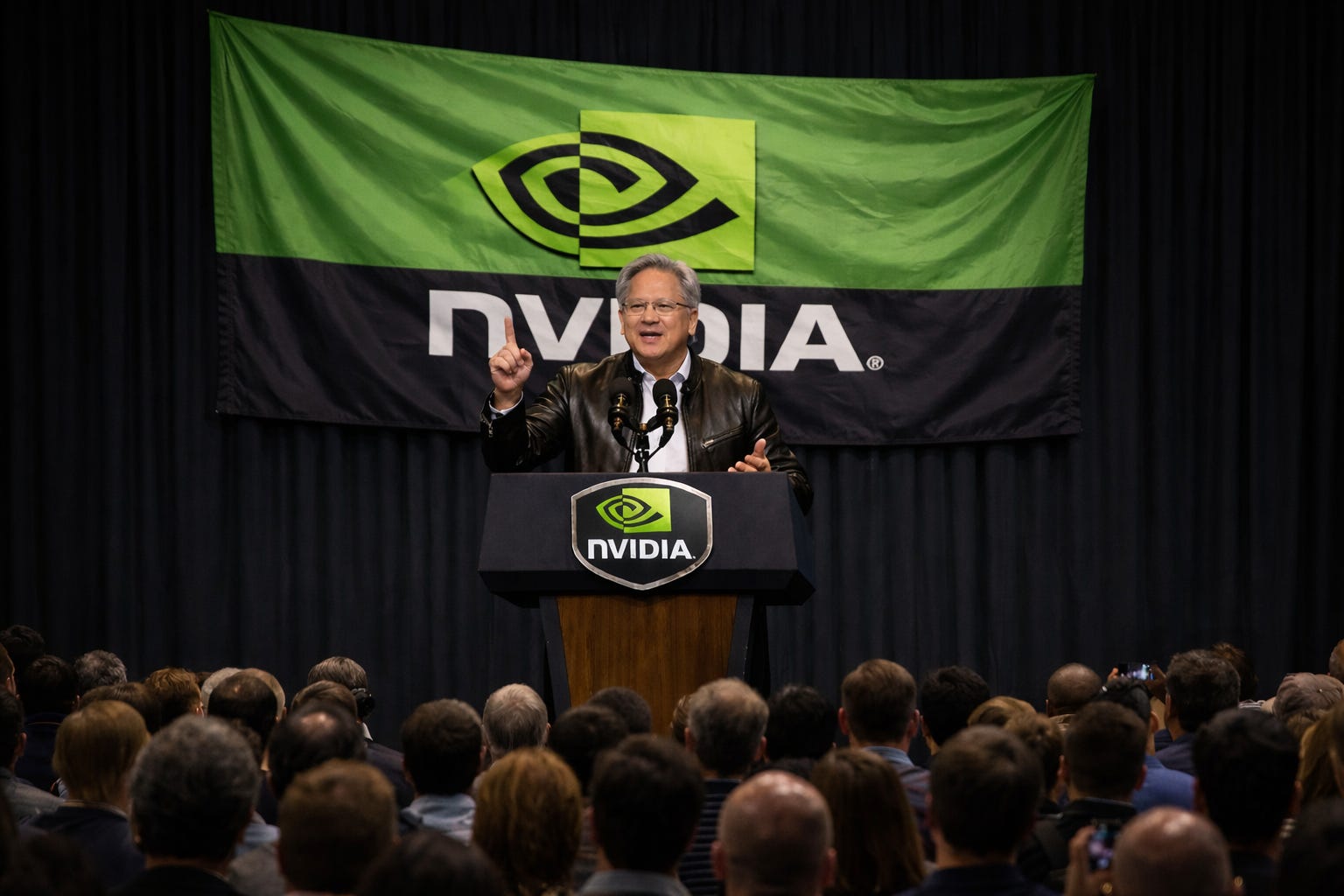
As Nvidia CEO Jensen Huang prepares to address the audience at the company's annual GPU Technology Conference (GTC) on Monday, the stakes are higher than ever. This year's GTC isn't just another opportunity to showcase the latest products and roadmap updates; it's a critical moment for Nvidia to reaffirm its position as a leader in the rapidly evolving AI market. The company's future expansion and success hinge on convincing an increasingly skeptical public about the benefits of AI, particularly in the context of data centers.
Recent polling data has revealed a growing divide in public opinion regarding AI, with many expressing concerns about its potential risks and unintended consequences. These concerns have translated into hesitancy among businesses and policymakers when it comes to investing in AI infrastructure. Nvidia, which has positioned itself as a key player in the AI ecosystem, is now facing the challenge of not only demonstrating the value of its hardware but also addressing the public's growing skepticism.
Jensen Huang's keynote address will likely focus on addressing these concerns head-on. With a track record of transforming Nvidia from a niche graphics card manufacturer into a global leader in AI and data center solutions, Huang will need to leverage his charisma and expertise to persuade the audience of the transformative potential of AI. He may emphasize the company's commitment to ethical AI development and the importance of collaboration between industry leaders, researchers, and policymakers to ensure responsible AI adoption.
In addition to tackling public skepticism, Nvidia also faces the challenge of navigating a competitive landscape. The company's primary competitor, Advanced Micro Devices (AMD), has been rapidly gaining ground in the data center market, particularly with its recent success in securing a large contract with Microsoft. Nvidia's response to this competition will be crucial, as the company's ability to maintain its market share and grow its customer base will directly impact its future revenue and expansion plans.
Huang's presentation will likely highlight Nvidia's latest innovations and partnerships, designed to solidify its position as the preferred choice for AI and data center solutions. By showcasing real-world applications and success stories, Nvidia can demonstrate the tangible benefits of its technology and address concerns about its reliability and scalability.
However, the challenges Nvidia faces extend beyond the GTC event. The company must also work to build trust with regulators and the public, who are increasingly concerned about the potential misuse of AI technology. Nvidia's commitment to transparency and accountability will be essential in mitigating these concerns and fostering a culture of collaboration that prioritizes ethical AI development.
In conclusion, as Jensen Huang takes the stage at Nvidia's GTC, the company's future expansion and success are more closely tied than ever to its ability to address public skepticism and navigate a competitive market landscape. With a combination of innovative technology, strategic partnerships, and a clear commitment to ethical AI development, Nvidia has the potential to reaffirm its position as a leader in the AI industry. However, the company must remain agile and responsive to the evolving needs and concerns of its stakeholders, including customers, regulators, and the general public. Only then can Nvidia ensure a sustainable path forward in an increasingly complex and competitive AI landscape.









