
At Nvidia's GTC, Jensen Huang Will Have to Sell AI to an Increasingly Skeptical Public
Bad AI polling numbers could lead to data center delays. Jensen to the rescue?
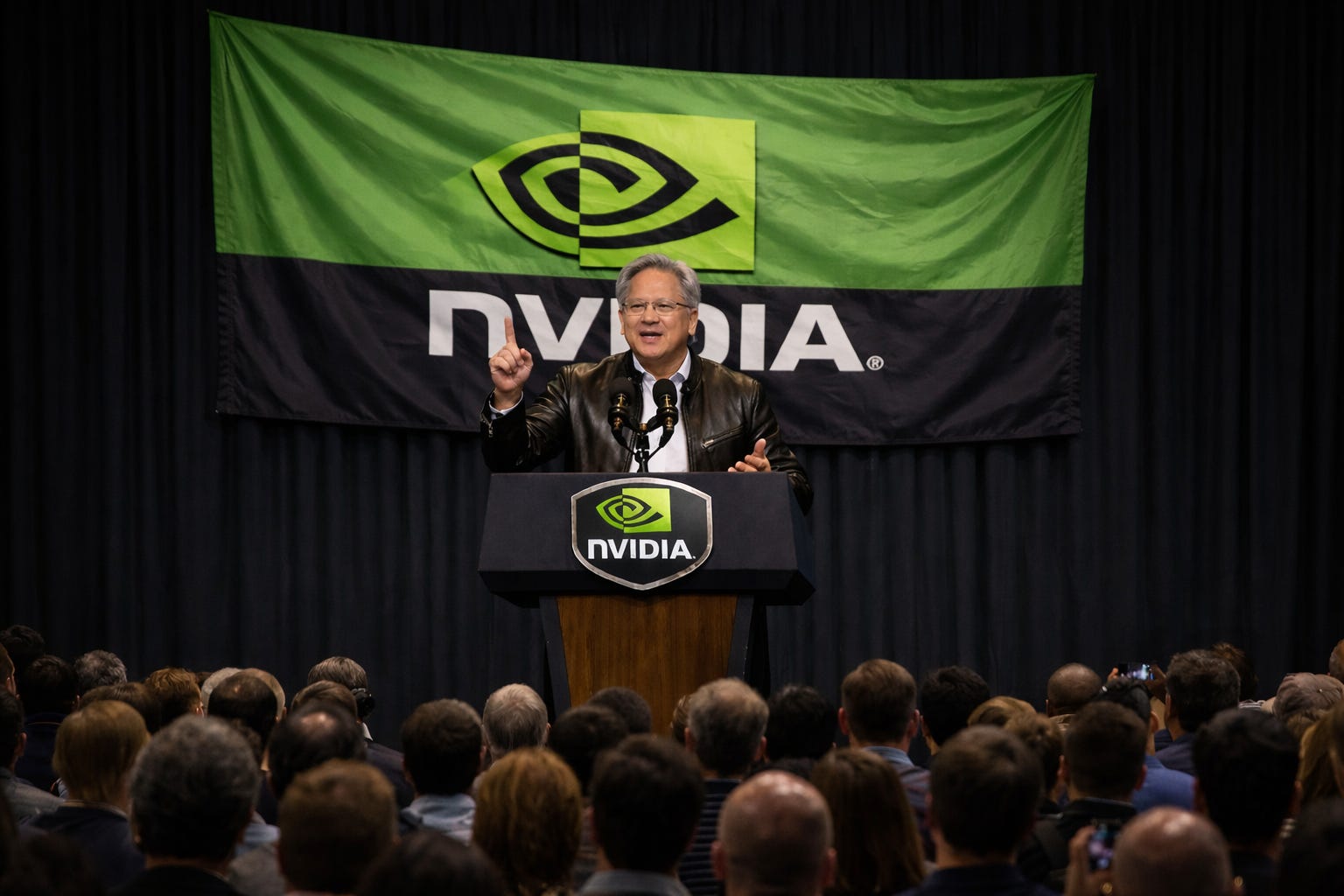
As Nvidia CEO Jensen Huang prepares to address the audience at the company's annual GPU Technology Conference (GTC) on Monday, the stakes are higher than ever. This year's GTC is not just another opportunity to showcase the latest products and roadmap updates; it's a critical moment for Nvidia to reaffirm its position in the rapidly evolving AI market. The company's future growth and expansion depend heavily on its ability to navigate the growing skepticism surrounding artificial intelligence (AI) and its potential impacts on society.
The recent surge in AI adoption has been met with mixed reactions from the public. While businesses and tech enthusiasts are eager to embrace AI's capabilities, many consumers remain wary of its implications on jobs, privacy, and ethical use. This skepticism has translated into polling numbers that are less than optimistic for AI's future. Surveys conducted by various organizations have revealed that a significant portion of the public is concerned about AI's potential to disrupt their livelihoods and infringe on personal freedoms.
Nvidia, a leader in AI hardware and a key player in the development of AI-driven technologies, is acutely aware of these concerns. The company's continued expansion into data centers and other AI-related sectors hinges on its ability to address these public concerns and build trust. This is where Jensen Huang's role becomes pivotal. As the CEO, Huang must not only present Nvidia's technological advancements but also articulate a compelling vision for AI that resonates with a skeptical audience.
Huang's challenge extends beyond the GTC event. The company's recent investments in data center infrastructure and AI research have been met with scrutiny, leading to concerns about potential delays in these projects. Nvidia's ability to deliver on these initiatives will be closely watched by investors, partners, and the broader tech community. If the company falters, it could face significant setbacks in its quest to solidify its position as a leader in the AI space.
To address these challenges, Huang will likely emphasize Nvidia's commitment to ethical AI practices and transparency. The company has already made strides in this area, with initiatives like the Nvidia AI Ethics Guidelines and partnerships with academic institutions to promote responsible AI research. By highlighting these efforts, Huang can reassure the public that Nvidia is taking their concerns seriously and is committed to building AI technologies that benefit society as a whole.
Moreover, Huang may focus on the practical benefits of AI, such as enhancing healthcare outcomes, improving energy efficiency, and driving innovation in industries ranging from manufacturing to entertainment. By showcasing real-world applications of AI, Nvidia can demonstrate the potential of the technology to address complex global challenges while fostering economic growth and job creation.
In addition to addressing public concerns, Huang will also need to reassure investors and partners about Nvidia's financial outlook. The company's aggressive expansion into AI and data center markets has required substantial investments, which may have strained its resources. Huang will need to present a clear, optimistic roadmap that outlines how Nvidia plans to capitalize on the growing demand for AI solutions while managing its financial risks effectively.
As Jensen Huang takes the stage at GTC, the pressure to deliver a compelling message is immense. The company's future success in the AI market depends on its ability to navigate the complex landscape of public opinion and technological innovation. By addressing the skepticism head-on and showcasing Nvidia's commitment to ethical AI practices, Huang can help rebuild trust and pave the way for continued growth in an increasingly competitive and scrutinized industry. The stakes are high, but with a well-executed strategy, Nvidia has the potential to emerge as a leader in the next phase of AI development.









