
Asian Nations Jockey for Leverage to Re-Open Hormuz Strait
As the crisis drags on, many Asian countries are pledging deeper energy cooperation with diplomatic friends.
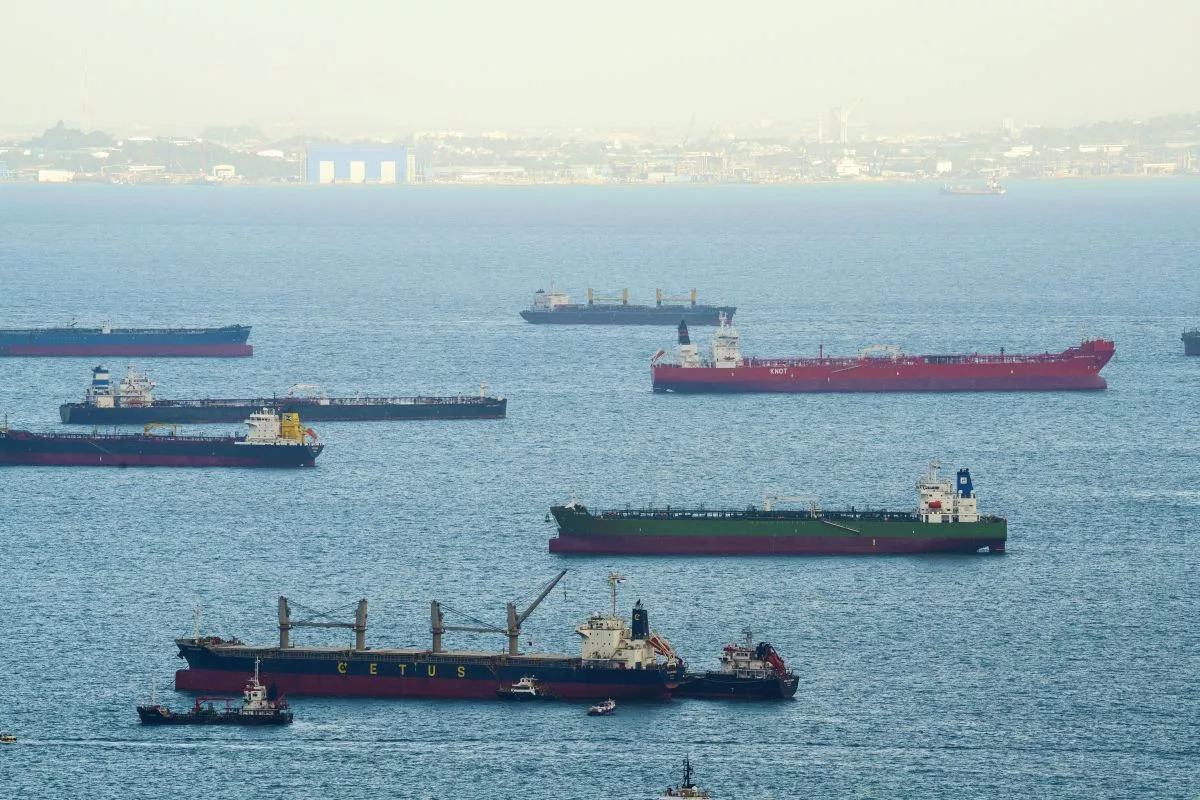
As the global energy crisis continues to escalate, Asian nations are increasingly recognizing the importance of securing access to key shipping routes like the Hormuz Strait. This strategic waterway, located between the Persian Gulf and the Gulf of Oman, is a critical chokepoint for global oil and gas transportation, with approximately 30% of global oil supply passing through it. As tensions rise and the crisis drags on, many Asian countries are pledging deeper energy cooperation with diplomatic friends to ensure their access to these vital routes.
The Hormuz Strait has long been a focal point of geopolitical tension, with its control affecting not only regional stability but also global energy markets. The strait's narrow width and strategic importance make it a potential flashpoint for conflict, as evidenced by past incidents such as the 2019 attack on oil tankers by Iranian-linked forces. As the crisis persists, Asian nations are seeking to bolster their diplomatic relationships and energy partnerships to safeguard their interests.
China, in particular, has been vocal about the need for stable energy supplies and has been actively engaging with key players in the region. The country has been working to diversify its energy sources and reduce its reliance on the Hormuz Strait, but it remains a significant transit point for Chinese oil imports. To mitigate risks, China is deepening ties with Saudi Arabia, the United Arab Emirates, and other Gulf Cooperation Council (GCC) nations, aiming to secure alternative energy routes and enhance cooperation in the energy sector.
Similarly, India, which heavily depends on the Hormuz Strait for its oil imports, is also seeking to bolster its energy diplomacy. The country has been expanding its diplomatic outreach to Gulf states and has been exploring opportunities for energy cooperation. India has been working to increase its oil reserves and diversify its energy sources, but it remains reliant on the strait for a significant portion of its oil needs. By strengthening ties with regional partners, India hopes to ensure uninterrupted access to the Hormuz Strait and stabilize its energy supply.
Japan, another major importer of Middle Eastern oil, is also engaging in deeper energy cooperation with Asian allies. The country has been working closely with South Korea and other regional partners to enhance energy security and explore alternative energy sources. Japan has been investing in renewable energy and natural gas imports, but it still relies heavily on oil from the Middle East. By fostering stronger diplomatic relationships, Japan aims to secure more favorable terms and ensure the stability of its energy supply chain.
In addition to these efforts, Asian nations are also collaborating on regional initiatives to address the energy crisis. The Asia-Pacific Economic Cooperation (APEC) has been a platform for dialogue, with member countries discussing ways to enhance energy security and diversify supply chains. These discussions have led to increased cooperation in areas such as energy efficiency, renewable energy, and infrastructure development.
However, the challenges facing Asian nations in securing access to the Hormuz Strait are significant. Geopolitical tensions in the region, coupled with the potential for disruptions due to conflict or sanctions, pose risks to energy supplies. As a result, Asian countries are not only focusing on diplomatic cooperation but also exploring alternative routes and energy sources.
One such alternative is the development of the Northern Sea Route, a shipping lane across the Arctic Ocean. While currently limited by ice and technical challenges, this route offers a potential pathway to bypass the Hormuz Strait. Asian nations, including China and Russia, are investing in Arctic infrastructure and research to make this route more viable.
Moreover, the push for renewable energy and energy efficiency is gaining momentum across Asia. Countries such as China and Japan are investing heavily in solar, wind, and other renewable energy sources to reduce their reliance on fossil fuels. While these efforts may take time to bear fruit, they represent a long-term strategy for energy security and independence.
In conclusion, as the crisis drags on, Asian nations are recognizing the need for deeper energy cooperation and diplomatic engagement to secure their access to the Hormuz Strait. By strengthening ties with regional partners, exploring alternative energy routes, and investing in renewable energy, these countries are working to mitigate risks and ensure the stability of their energy supplies. While challenges remain, the commitment to energy cooperation and diversification signals a proactive approach to addressing the complexities of the global energy crisis.








