
Asian Nations Jockey for Leverage to Re-Open Hormuz Strait
As the crisis drags on, many Asian countries are pledging deeper energy cooperation with diplomatic friends.
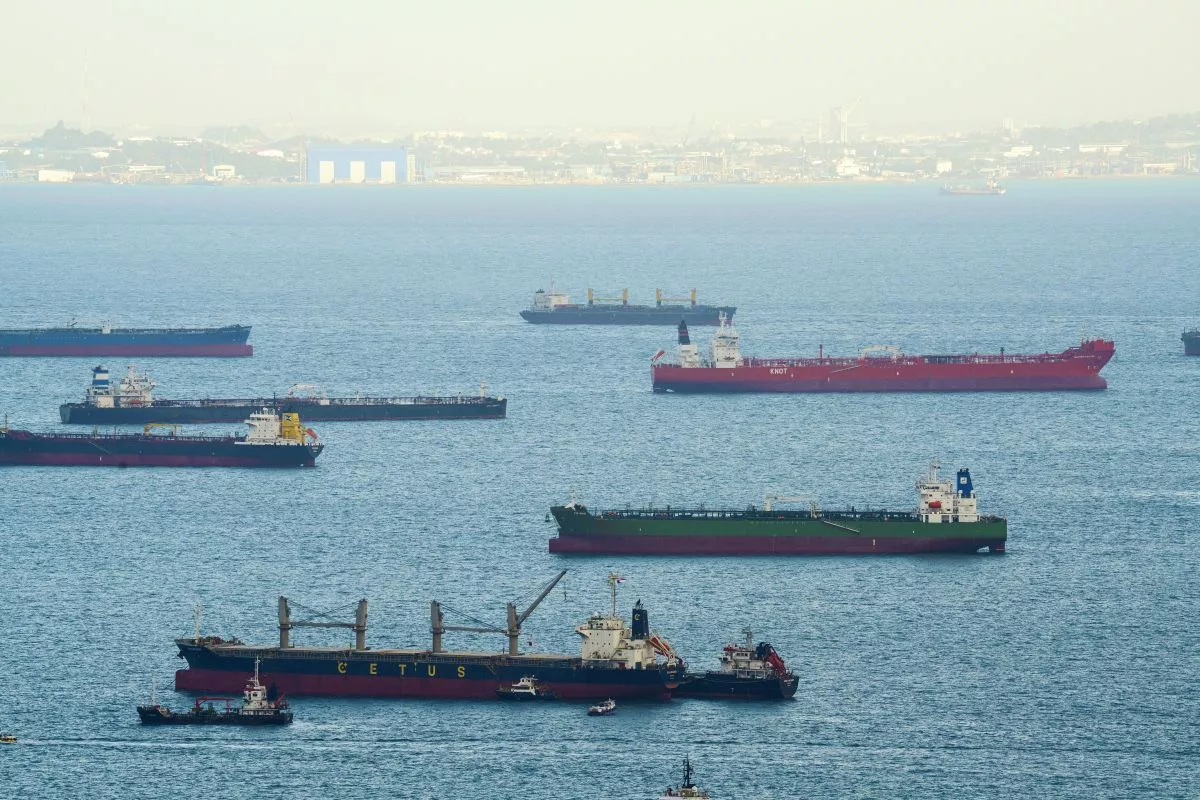
As the global energy crisis continues to escalate, Asian nations are increasingly recognizing the strategic importance of the Hormuz Strait and are working to secure their access to it. This narrow waterway, located between the Persian Gulf and the Gulf of Oman, is a critical chokepoint for global oil and gas shipments, accounting for about 30% of global maritime oil trade. With tensions in the region rising and the potential for disruption, Asian countries are seeking to bolster their diplomatic ties and energy cooperation to safeguard their interests.
Among the nations most actively pursuing leverage in this context are China, India, and Japan. These countries, which are major consumers of Middle Eastern oil, are keen to ensure uninterrupted supply chains and stabilize energy markets. In recent weeks, high-level diplomatic engagements have intensified, with leaders from these nations engaging in discussions with their counterparts in the Middle East and Central Asia.
China, in particular, has been vocal about its commitment to regional stability and has emphasized the need for cooperation to address the crisis. Beijing has been working to deepen its ties with key players in the region, including Saudi Arabia and the United Arab Emirates, through strategic investments and infrastructure projects. By fostering these relationships, China aims to secure a more favorable position in the event of any disruptions in the Hormuz Strait.
India, another major oil importer, has also been proactive in its diplomatic outreach. New Delhi has been focusing on strengthening its partnerships with Iran, which is a key player in the region. India has been a consistent buyer of Iranian oil, and the two countries have been exploring opportunities to expand their cooperation, including in areas such as infrastructure and energy projects. This strategic partnership is seen as a way for India to mitigate risks associated with the Hormuz Strait and diversify its energy sources.
Japan, which relies heavily on imported oil, has been engaging in discussions with both the United States and European allies to enhance regional security and energy cooperation. Tokyo has been advocating for a unified approach to address the crisis, emphasizing the need for collective action to ensure the stability of global energy markets. Japan is also exploring alternative energy sources and investing in domestic production to reduce its dependence on Middle Eastern oil.
In addition to these efforts, Asian nations are also looking inward to enhance their energy security. Many are investing in renewable energy technologies and expanding their domestic production capabilities. For instance, Vietnam has been rapidly expanding its offshore oil and gas reserves, while Indonesia is increasing its natural gas production to meet both domestic and export demands. These initiatives are part of a broader strategy to reduce reliance on external oil supplies and bolster regional energy independence.
The push for deeper energy cooperation among Asian nations is not without its challenges. Geopolitical tensions, differing priorities, and competition for resources can complicate efforts to coordinate. However, the urgency of the situation is driving these countries to prioritize collaboration and find common ground.
In conclusion, as the crisis in the Hormuz Strait persists, Asian nations are taking decisive steps to secure their energy interests. Through strategic diplomatic engagements, enhanced regional cooperation, and investments in domestic energy production, these countries are working to safeguard their access to critical energy supplies and ensure the stability of global markets. While the path ahead is fraught with challenges, the collective efforts of these nations highlight the growing recognition of the importance of energy security in an interconnected world.









