
As Minnesota digs out from damage of the federal ICE attack, renters are still feeling the pain
Twin Cities working-class renters are facing a housing crisis that continues to overlap with the threat of persecution by the Trump administration. What can be done to help? The post As Minnesota digs out from damage of the federal ICE attack, renters are still feeling the pain appeared first on MinnPost .
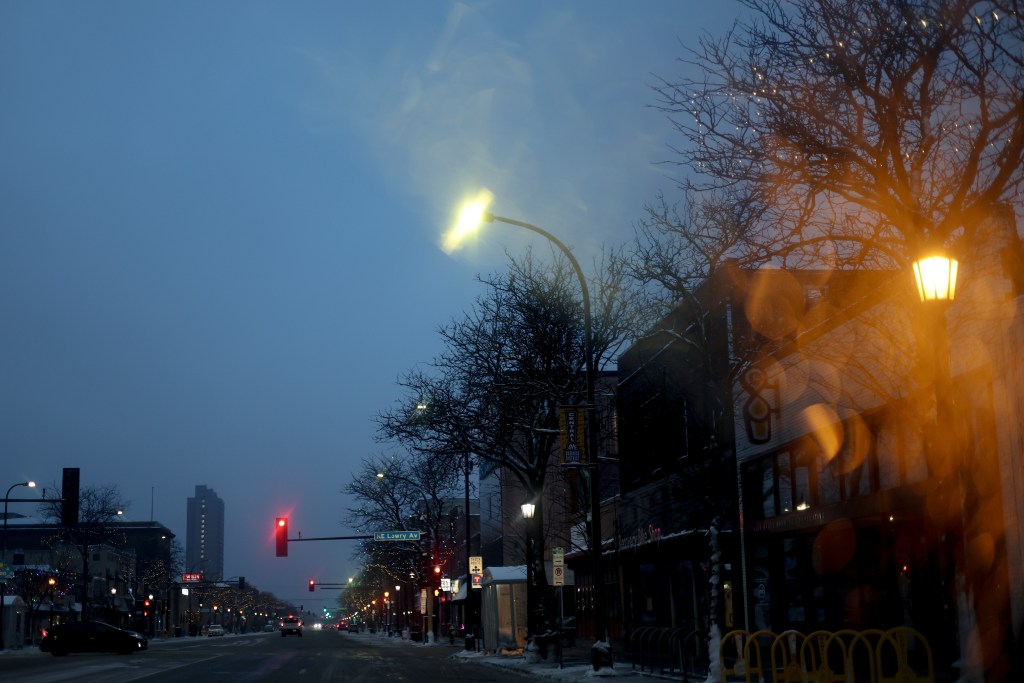
As Minnesota digs out from the damage of the federal ICE attack, renters in working-class neighborhoods are still grappling with the aftermath of a housing crisis that has only intensified in recent months. The combination of the ongoing housing shortage and the heightened presence of U.S. Immigration and Customs Enforcement (ICE) agents has left many immigrants and low-income residents feeling trapped, as they struggle to pay rent while living in fear of persecution.
The arrival of spring in the Twin Cities has brought little relief to those battling to stay in their homes. For many, the calendar shift from March to April has only highlighted the mounting pressure of rent due dates. The ICE presence, which has been a constant in working-class neighborhoods for months, has exacerbated the existing housing crunch. In 2026, immigrants who were already on the margins of the housing market have borne the brunt of these overlapping crises.
In the face of this monthly pressure, philanthropy and crowdfunding have become temporary band-aids, unable to address the root causes of the crisis. Neighbors who are unable to work, out of fear of being targeted by ICE, have become increasingly vulnerable. Rental assistance funds, which were once a lifeline, are dwindling as the relentless ticking of the calendar continues.
The economic effects of the ICE presence, often referred to as "Metro Surge," have taken a toll on immigrant economies, particularly in working-class neighborhoods like South Minneapolis' Lake Street. The numbers tell a grim story: last year alone, over 25,500 evictions were filed, marking the highest number on record. Eric Hauge, co-director of HOME Line, the leading Twin Cities nonprofit focused on housing, emphasized the severity of the situation.
The Trump administration's persecution of immigrants has made paychecks more precarious for many than at any time since the COVID-19 pandemic. The presence of over 600 federal immigration agents in Minnesota, three times the "normal" 2025 contingent, underscores the ongoing threat. Predictably, these cascading crises have led to a surge in evictions, leaving countless residents without stable housing.
As the Twin Cities working-class neighborhoods continue to grapple with this housing crisis, the threat of persecution by the Trump administration looms large. The ICE occupation, which many believed had ended, is far from over, casting a shadow over the lives of those most vulnerable. The economic fallout from Metro Surge has disproportionately affected immigrant communities, making it increasingly difficult for them to afford rent and secure stable living situations.
Efforts to provide emergency assistance to renters have been made, but the question remains: where will this help come from? The situation in Minnesota is a stark reminder of the interconnected challenges faced by marginalized communities, as housing insecurity and fear of persecution converge to create a cycle of instability. As the state works to recover from the damage, it is crucial to address the root causes of this housing crisis and ensure that vulnerable residents are not left behind.








